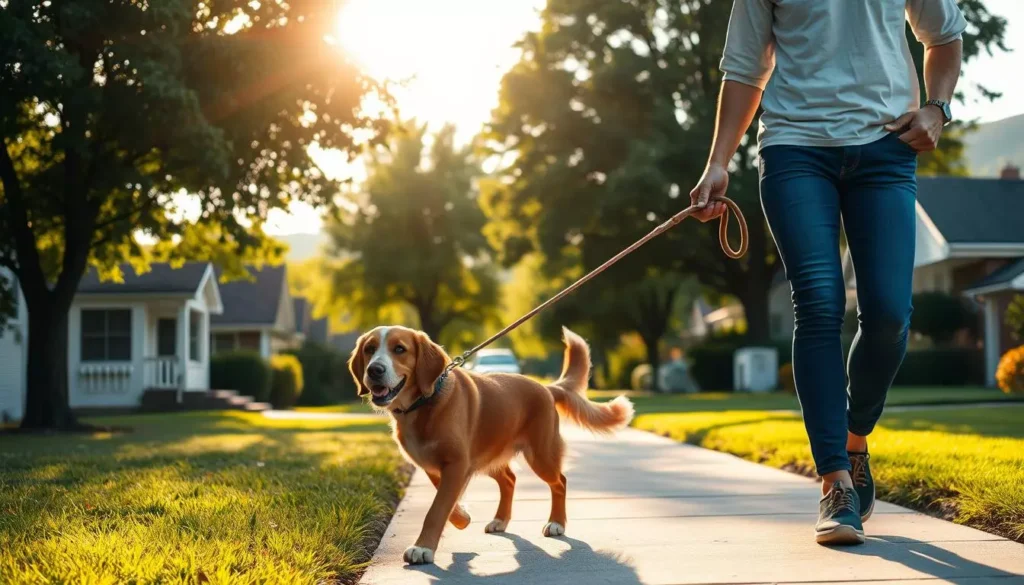
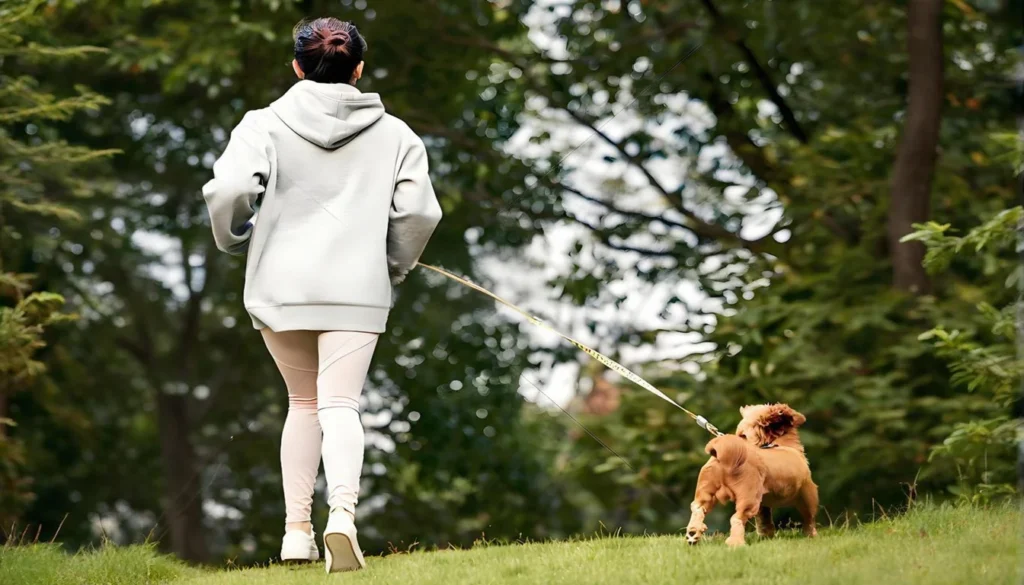
We've all seen a puppy's joy, bouncing around and nibbling at us. It seems harmless, even cute. But, I've learned that early mouthing can turn into a big problem if not taught right.
Knowing how to teach my dog not to bite is key for their happiness and my peace. If I ignore early signs, my dog might grow into a serious biter. Teaching them not to bite keeps us safe and happy together.
Key Takeaways
- Understanding early mouthing behaviors is vital for training.
- Adult dogs can pose a greater risk of injury if biting is not addressed.
- Teaching consistent commands helps reinforce positive behavior.
- Utilizing playtime to promote proper mouthing techniques can be effective.
- Building a strong bond with my dog encourages better behavior.
Understanding Why Dogs Bite
Every dog owner needs to know why dogs bite. Dogs may bite due to fear, frustration, or just playful mouthing. By spotting the reasons behind their bites, I can make our environment safer for everyone.
The Importance of Identifying Triggers
Knowing what triggers my dog's behavior is key. Things like new places, loud sounds, or certain people can upset them. By watching how my dog reacts, I can find and fix these issues. This helps lower the chances of them biting.
Understanding Aggression vs. Playful Mouthing
Distinguishing between aggression and playful mouthing is crucial. Playful mouthing is common in young dogs and shows they're relaxed. Aggression, however, is tense, with growling or showing teeth. Knowing the difference helps me teach my dog to interact safely.
Recognizing Warning Signs of Dog Behavior
Knowing how to read dog body language is key for pet owners. It helps avoid unwanted bites and keeps everyone safe. Spotting warning signs shows when a dog feels scared or upset. If we ignore these signs, things might get worse and lead to a bite.
Reading Your Dog's Body Language
Dogs show their feelings through body language. Knowing these signs can really help. For example, if a dog's ears are back, it might be scared or feeling submissive.
A stiff body or lip licking and yawning can also mean stress. The tail's position is another clue: a low tail shows anxiety, while a high tail means confidence or excitement.
Common Warning Signals Before Biting
It's important to know the signs before a dog might bite. Growling is not always about being aggressive; it can mean a dog is uncomfortable. Showing teeth is another warning sign if a dog feels threatened.
Instead of scolding a dog for these signs, I try to figure out what's causing their anxiety. Understanding these signals helps me step in early and prevent aggressive behavior.
The Role of Bite Inhibition in Dogs
Bite inhibition is a key skill for dogs to learn early. It means controlling how hard they bite. This skill is vital for safe play and interactions with others.
Understanding bite inhibition helps us teach our dogs to behave well. It's important for their safety and ours.
What is Bite Inhibition?
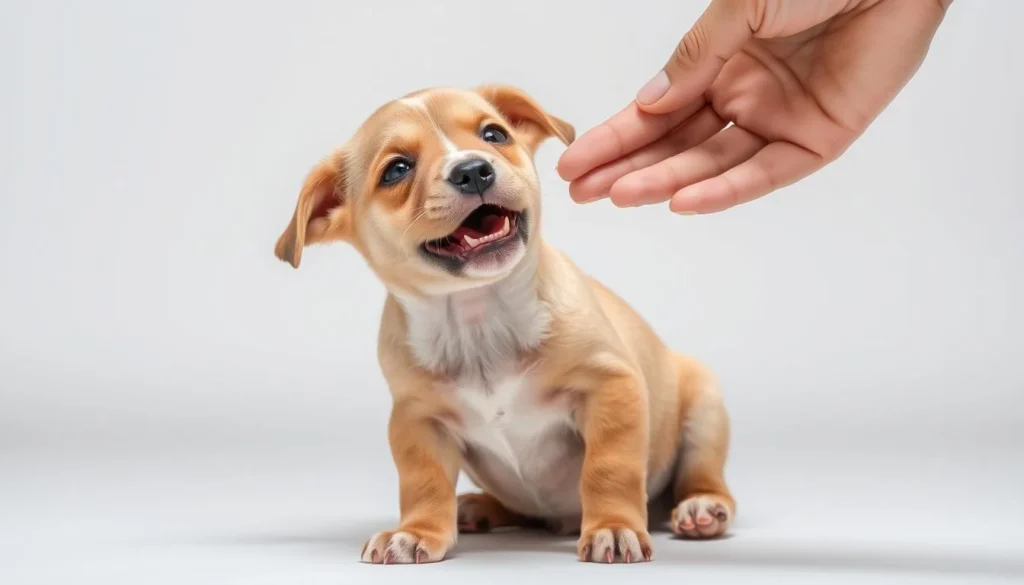
Bite inhibition is about controlling the force of a dog's bite. Puppies learn this by playing with their littermates and humans. If they bite too hard, others will yelp or stop playing.
This feedback helps puppies learn what gentle mouthing is. It's a natural way for them to understand how to play nicely.
How Dogs Learn Bite Inhibition Through Play
Play is key for puppies to learn bite inhibition. They practice mouthing through play. Here's how:
- Puppies try different biting pressures and get feedback.
- Good experiences teach them to be gentle, while bad ones teach them to be softer.
- This helps them avoid hurting others in the future.
Interactive play is crucial for this learning. Using safe toys and setting up playtime helps. It not only improves their skills but also strengthens our bond with them.
| Method | Description | Benefits |
|---|---|---|
| Interactive Play | Playing games like tug-of-war with rules | Encourages gentle mouthing; enhances bond |
| Positive Reinforcement | Rewarding soft bites or calm behavior | Establishes clear expectations for behavior |
| Structured Activities | Incorporating training exercises during playtime | Focuses learning and reinforces skills effectively |
How to Teach Dog Not to Bite
Teaching my puppy not to bite is crucial. I've found that positive reinforcement is key. Giving treats and praise for good behavior helps them understand what's expected.
By focusing on rewards, my puppy learns that not biting is good. This approach builds trust and teaches them how to play nicely with others.
Utilizing Positive Reinforcement Techniques
Positive reinforcement makes training fun for both of us. I focus on what my puppy does right, not wrong. When they play gently, I give them praise or a treat.
This method strengthens our bond and teaches them to interact well with others. It's a win-win situation.
Implementing Playtime Rules and Structure
Structured play is vital for teaching my puppy not to bite. Clear rules during play teach them what's acceptable. I guide them by redirecting their attention when they get too rough.
Using toys and playing games that encourage gentleness keeps the environment safe. It's a space where they can learn without fear of being aggressive.
Using the Yelping Technique Effectively
Teaching dogs not to bite can be done with the yelping technique. It mimics the sound a littermate makes when bitten hard. This teaches your dog that their biting causes discomfort. Using this method with other training techniques can make training more effective.
How Yelping Can Communicate Pain
The yelping technique works by showing dogs pain in a way they get. Yelping sharply when my dog bites grabs their attention. This pause lets me teach them good behavior right away.
Timing is key when teaching dogs about pain. The yelp should match their action closely. This helps them link the sound to their behavior.
When to Use the Yelping Technique
Knowing when to use the yelping technique is important. It's great during play when dogs get too excited and bite hard. Right after a bite, I yelp to show discomfort.
It's important to praise my dog after they stop biting. This reinforces what they've learned.
Every dog is different, and the yelping technique works differently for each one. Knowing your dog's personality helps tailor training to them. Being consistent with this method and positive reinforcement leads to better behavior over time.
Time-Out Method for Correcting Biting
The time-out method is a good way to stop dogs from biting. It helps control aggression and sets clear boundaries. This way, dogs learn that biting is not okay.
Setting Up Effective Time-Outs
First, pick a quiet spot for time-outs. It should be away from distractions. A calm room or a separate area works best.
How to Implement Time-Outs Properly
Consistency is key when using time-outs. If a dog bites, take it away right away. Put it in the time-out spot for 1 to 3 minutes.
This teaches the dog that biting stops play. After the time-out, let the dog play again. Watch for any more biting to make sure it's fixed.
| Time-Out Duration | Recommended Age Range | Signs of Effectiveness |
|---|---|---|
| 1-3 minutes | Puppies (up to 1 year) | Less frequent biting |
| 3-5 minutes | Adolescents (1-3 years) | Reduction in aggression |
| 5+ minutes | Adults (3+ years) | Improved impulse control |
Using time-outs consistently helps fix biting problems. It makes dogs feel safe and understood.
Substituting with Appropriate Chew Toys
Choosing the right chew toys for dogs is key to stopping unwanted biting. These toys give dogs a safe way to chew, keeping human skin safe. I pick toys based on safety, durability, and my dog's size and chewing style. This makes playtime fun and keeps them from biting.
Choosing the Right Toys for Your Dog
Finding the best chew toys for dogs is important. I look for toys that match their chewing needs. Here are some things to consider:
- Material: Choose non-toxic materials like rubber or nylon for strong chewers.
- Size: Pick toys that fit my dog's size; too small is dangerous, too large may not be fun.
- Durability: Go for toys that last through lots of chewing without breaking, keeping my dog safe.
Introducing Toys During Playtime
After picking the right toys, I introduce them during play. This helps my dog see them as fun alternatives to biting. Here's how to do it right:
- Show the toys with excitement, using positive words to get them interested.
- Use the toys in games like fetch or tug-of-war, making them a key part of play.
- Give treats or praise when my dog picks the toys over biting or chewing on things they shouldn't.
Switching to chew toys improves my dog's life a lot. It makes our home safer and helps them chew in a healthy way.
Establishing Rules and Boundaries
Setting rules for dogs helps them know what's expected. It's key to be consistent in training. This makes things clear for both the dog and the owner.
When everyone uses the same commands, it helps a lot. It cuts down confusion and makes talking to the dog easier.
Creating Consistency in Commands
Using the same commands helps dogs learn faster. Simple ones like "sit" or "stay" work better when everyone does them the same way. This makes it easier for dogs to understand and follow.
Having clear rules leads to better behavior. It makes life with your dog more peaceful and fun.
Teaching Impulse Control to Prevent Biting
Teaching dogs to control their impulses is very important. Commands like "leave it" and "wait" help them think before acting. Regular training sessions can really help.
As dogs learn, they get better at controlling themselves. This means they're less likely to bite when they get excited or during play.
Encouraging Gentle Play Behavior
Teaching dogs to play gently is key for their growth and happiness. One great way is teaching gentle mouthing. By praising them for soft mouthing, they learn to play nicely with my hands and body. This makes learning fun for them.
Teaching Your Dog to Use Their Mouth Softly
Positive reinforcement is a powerful tool for teaching gentle mouthing. For example, if my dog plays with a toy instead of biting my hands, I give them treats or praise. This teaches them that being gentle gets rewards. Over time, they learn to play nicely in many situations.
Incorporating Non-contact Games
I also add non-contact games for dogs to our playtime. Games like fetch or tug-of-war are fun and safe. They help us bond and teach my dog to play without being too rough. These games are a great way to keep playtime safe and fun.

Managing Playtime with Other Dogs
Adding dog socialization to your pup's routine can boost their interaction skills. It also helps prevent biting. It's key to balance fun and safety during play to ensure positive experiences.
Benefits of Socializing with Other Dogs
Socializing with other dogs has many benefits for my dog. Supervised play helps them learn canine communication. They learn what's okay and what's not during play.
This makes them better at understanding boundaries and controlling their bites. It also improves their social skills and emotional well-being. This reduces anxiety and aggression that could lead to biting.
Supervised Play Sessions for Learning
I always supervise playtime with other dogs. Watching them helps me see their behavior patterns. This lets me step in if needed.
During supervised play, I guide them through different situations. I teach them what's good and what's not. This helps them learn from their friends in a safe and trusting environment.
The Importance of Desensitization Exercises
Desensitization exercises are key for dogs to get used to new places and things. They help dogs feel less scared and anxious. This makes them feel safe and stops bad behaviors like biting.
Introducing New Situations Gradually
Starting small is very important. It helps dogs feel more confident and not too scared. For instance:
- Begin by exposing your dog to a novel situation from a distance.
- Gradually decrease the distance as your dog becomes more comfortable.
- Encourage positive associations through treats or praise during this process.
Using Positive Experiences to Reduce Fear
It's important to make new things positive for dogs. I use treats or play to help them see new things as fun. This way, dogs start to look forward to new experiences instead of being scared.
Consulting with Professionals
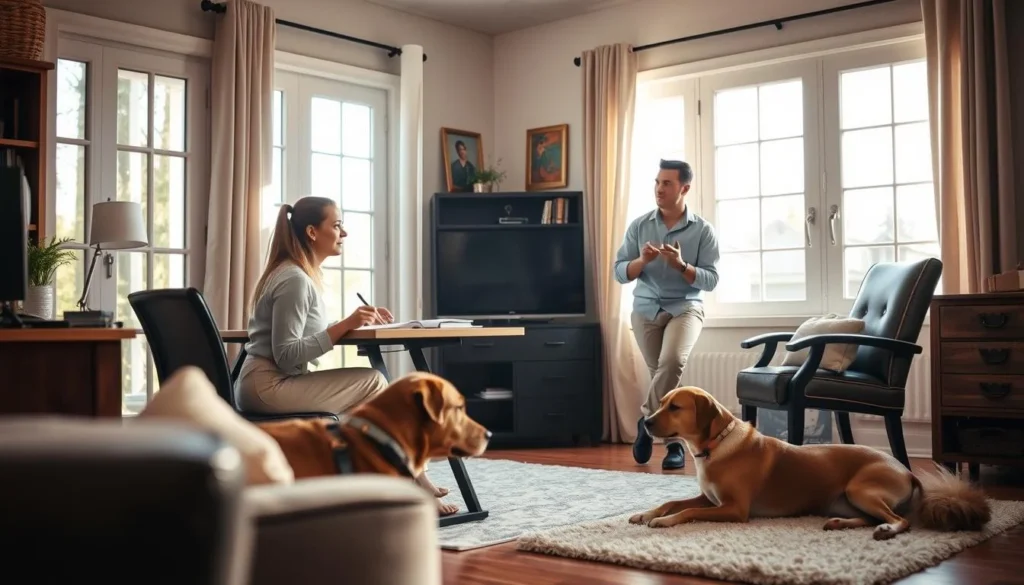
Some situations may require consulting with dog trainers to address persistent biting issues. Knowing when to seek professional help for dog behavior can lead to significant improvements. Finding the right dog trainer is more than just a quick online search. It requires careful consideration of various factors to ensure effective training methods.
When to Seek Help from a Dog Trainer
If a dog's biting behavior continues, despite my best training efforts, it might be time to consult with professionals. Signs indicating the need for assistance include:
- Biting more frequently or with increased intensity.
- Showing aggression towards family members or unfamiliar people.
- Difficulty in maintaining control during playtime scenarios.
Choosing the Right Professional for Your Dog
To improve my dog's behavior effectively, I focus on finding the right dog trainer who specializes in aggression management. I usually look for trainers who are certified and have proven experience in dog behavior modification. It’s essential to ask about their methods, gaining insight into their strategies for handling biting issues. Choosing a professional who provides customized plans tailored to my dog’s needs can ensure the best approach.
Using Deterrents Wisely
Using the right tools can greatly improve dog training. Taste deterrents are effective in stopping unwanted behaviors like mouthing. It's important for dog owners to be kind and understanding during training.
When Taste Deterrents Are Necessary
Taste deterrents are great for changing chewing habits. Bitter apple spray or cayenne pepper can stop dogs from chewing on things they shouldn't. These products make the dog uncomfortable without hurting them, helping to teach better behavior.
Using taste deterrents helps create a positive training environment. It's better than using punishment.
Alternatives to Physical Punishment
Physical punishment can damage the bond between dog and owner. Instead, I use positive methods like redirecting their attention to toys or using verbal cues. This approach strengthens our bond and encourages good behavior.
Creating a supportive environment where dogs learn through encouragement is key. It makes training more enjoyable for both of us.
| Deterrent Type | Effectiveness | Potential Risks |
|---|---|---|
| Bitter Apple Spray | High | Few allergies in rare cases |
| Cayenne Pepper | Medium | Can irritate eyes if applied improperly |
| Commercial Deterrents | High | May contain chemicals; choose natural options |
Managing Environmental Triggers
Understanding your dog's environment is key to managing their behavior. Some things at home can cause stress or anxiety, leading to aggression. Creating safe spaces helps dogs feel secure and reduces stress.
Creating Safe Spaces for Your Dog
Setting up specific areas in your home as safe spots is good for your dog's mind. These areas should be comfy, quiet, and free from distractions. I have a cozy corner with a soft bed and favorite toys for my dog.
This spot helps my dog relax away from stressors. It's a way to manage their behavior by giving them a place to unwind.
Identifying Potential Stressors in Your Home
It's important to watch out for things that might stress your dog. This could be loud noises or busy times during family gatherings. I pay attention to how my dog reacts in different situations to find what stresses them.
Once I know what triggers their stress, I try to reduce its impact. I also provide distractions to help ease their anxiety.
Consistency is Key to Training
Consistency is the backbone of dog training. It's crucial to keep a routine to reinforce learning. Dogs do best when they know what to expect.
By sticking to a training schedule, my dog learns and practices good habits. Even short training sessions daily can make a big difference. It helps them understand what's expected.
As my dog grows, so does the need for adjustments in training. It's important to stay flexible while keeping training consistent. This helps us keep moving forward and avoid setbacks.
Conclusion
Teaching dogs not to bite is key for a happy home with our pets. We must understand why they bite and use consistent training. This helps prevent biting and keeps everyone safe.
Starting my dog training, I learned patience and kindness are crucial. A steady routine helps dogs learn better over time. It's not just about stopping bad behavior. It's also about building a strong bond and better communication.
As I keep learning with my dog, I urge other owners to dive into training with excitement. With the right strategies, our bond with our dogs can grow stronger. This makes our pets happy and our homes better places to be.