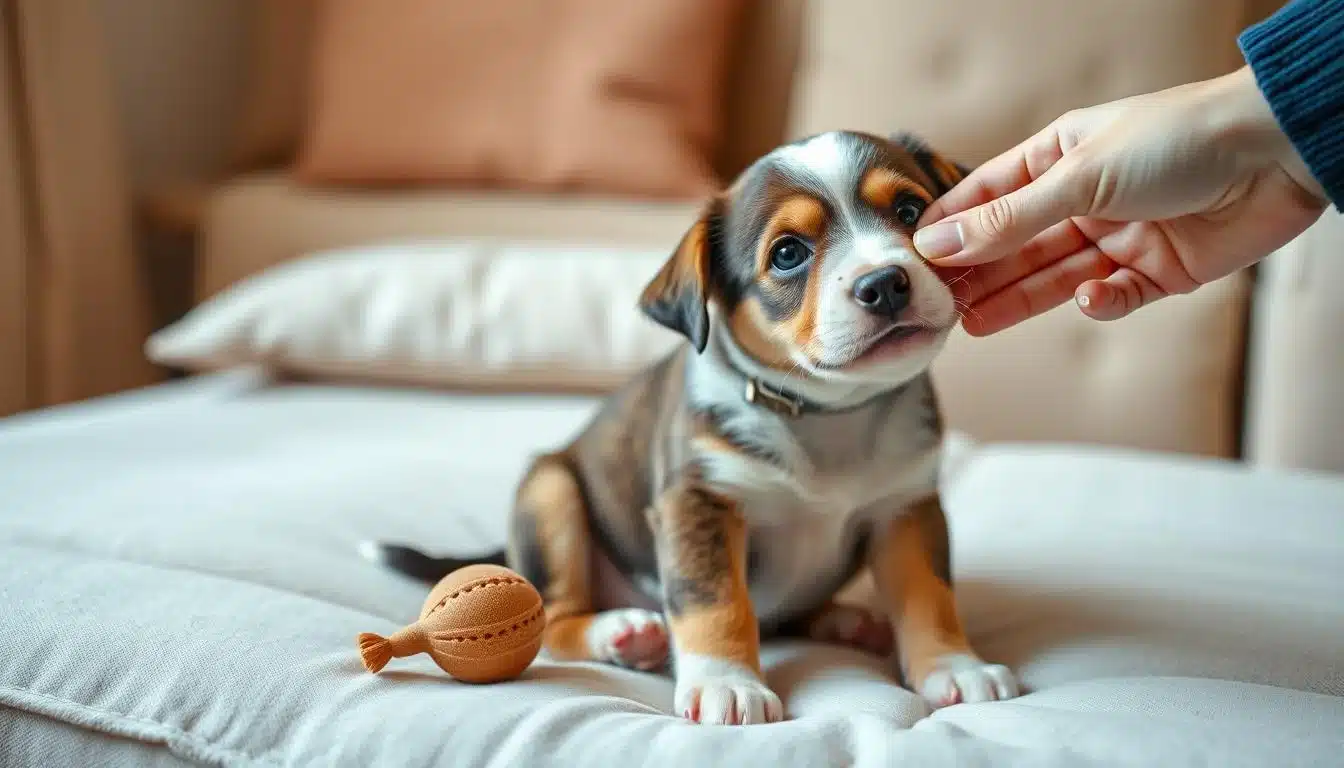
Bringing a new puppy home was a joyful moment for me. Their curious eyes filled my heart with love. But, the excitement of having a puppy can turn into frustration when they bite.
I found myself confused, wondering how to stop my puppy from biting. You might be in the same situation, trying to balance their playful bites with setting boundaries. Luckily, there are effective dog training techniques to help us through this tough time. These methods can lead to a happier and more well-behaved pet.
Key Takeaways
- Recognizing that puppy biting is a common behavior during play and exploration.
- Implementing bite inhibition is crucial in training your puppy.
- Redirecting biting behavior to appropriate chew toys can help.
- Positive reinforcement techniques encourage calm and gentle behavior.
- Creating a playful environment reduces instances of biting.
- Managing energy levels is essential for preventing overly excited biting.
Understanding Puppy Biting Behavior
Understanding why puppies bite is key to fixing this common issue. Puppies use their mouths to explore, which is a natural part of growing up. It's important to know the difference between normal mouthing and aggressive behavior. Training them helps them learn better ways to behave.
When puppies bite, it can be playful or accidental. Knowing the difference helps us train them better. We can use positive reinforcement to teach them to be gentler.
Why Do Puppies Bite?
Understanding why puppies bite is key to training them. Puppies use their mouths to explore, leading to different biting behaviors. The main reasons include exploration, teething, and play.
Exploration and Sensory Learning
Puppies are naturally curious. They use their mouths to learn about their world. This helps them understand textures and tastes.
It's important to teach them to chew safely. This prevents them from biting things they shouldn't.
Teething Stage
Teething happens between 12 to 16 weeks. Puppies chew to ease sore gums. They might chew on furniture or shoes.
Providing chew toys helps. It soothes their gums and keeps them from chewing on things they shouldn't.
Play Behavior
Play is crucial for puppies. Mouthing is a way for them to communicate and play. It helps them learn to use their mouths gently.
Structured play helps them develop good habits. It reduces the chance of bad biting as they grow.
Teaching Bite Inhibition
Teaching bite inhibition is key for a puppy's growth. With the right training, puppies can learn to control their biting. This helps prevent injuries to both the puppy and others during play or stressful times.
Importance of Learning Bite Control
Bite control is vital for safe play. Through bite inhibition training for puppies, my puppy learns to bite gently. Hard bites mean playtime stops. This teaches self-control, making my dog well-behaved.
Using High-Pitched Sounds to Signal
Using high-pitched sounds when my puppy bites too hard is effective. It's like another puppy saying no to rough play. The sound tells my puppy that biting ends play. This method is a great puppy biting solution, showing that gentle play is better.
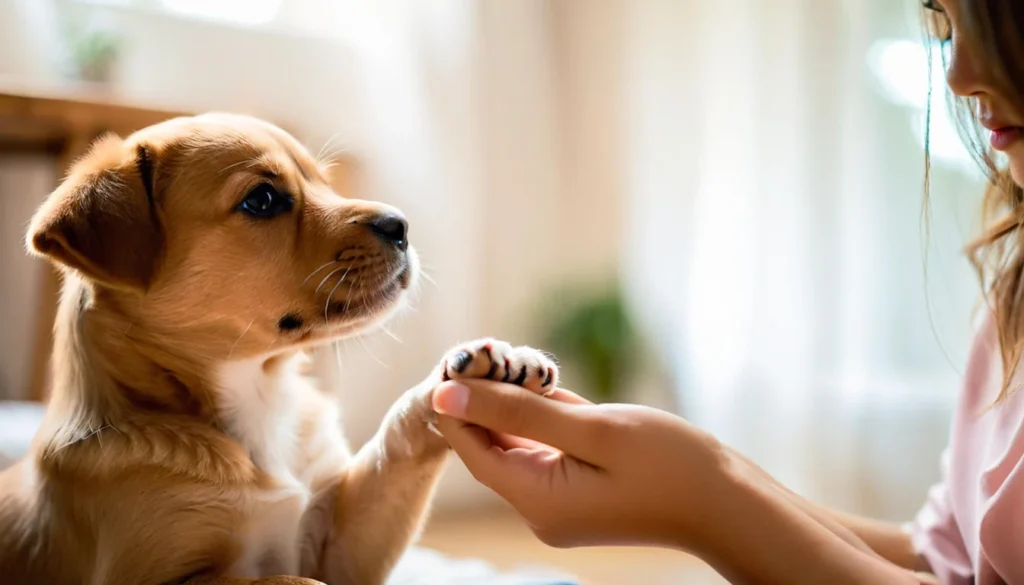
By using these methods regularly, I help my puppy learn to bite carefully. This way, we can play together safely and enjoyably.
Redirecting Biting Behavior
Redirecting biting behavior is key in puppy training. Giving your puppy chew toys helps them not bite during play. Chew toys and interactive toys teach them to use their energy in a good way.
Offering Chew Toys
It's important to pick chew toys that fit your puppy's age and chewing style. Rubber or soft fabric toys are great. They teach your puppy it's okay to chew on toys, not people.
Using Interactive Toys
Interactive toys make playtime exciting. They keep your puppy's mind busy, reducing biting. Toys that give treats or need solving keep them focused on play, not biting.
Positive Reinforcement Techniques
Training a puppy needs good methods that build trust and encourage positive actions. Positive reinforcement is a top choice for training. It means praising and rewarding my puppy for calm or gentle play. This method creates a supportive space for good habits and helps my puppy understand what's expected.
Praising Calm Behavior
When my puppy stays calm, I give them praise or a treat right away. This not only rewards the calm behavior but also strengthens our bond. Regular praise teaches my puppy that calmness is good, making them more likely to stay calm in the future.
Rewarding Gentle Play
Rewarding gentle play is another key technique I use. When my puppy plays softly, I praise them and give treats. This teaches them the difference between good and bad play. As a result, my puppy learns to play gently, making our time together more enjoyable and reducing biting.
| Behavior | Positive Reinforcement | Result |
|---|---|---|
| Calm Sitting | Verbal Praise, Treat | Increased Calmness |
| Gentle Play | Treat, Play Interaction | Enhanced Bonding |
| Stopping Biting | Praise, Treat | Fewer Biting Incidents |
Time-Out Procedures for Biting
Using time-outs can help teach my puppy not to bite. If my puppy bites too hard, I quickly show them it's wrong by taking away my attention. I might step away or put them in a time-out spot.
The puppy needs to see that biting means no more play. This helps them learn fast.
Implementing Time-Outs
To use time-outs well, I always do the same thing when my puppy bites. I take a short break and come back when they calm down. Puppies like knowing what to expect, so this helps them learn.
How long the time-out is depends on how hard they bit. This shows them biting is serious.
Consistency in Timeout Responses
Being consistent is key when using time-outs. Every time my puppy bites, I must react the same way. This teaches them right from wrong.
The more I stick to these rules, the clearer it is for my puppy. They learn that biting means no fun.
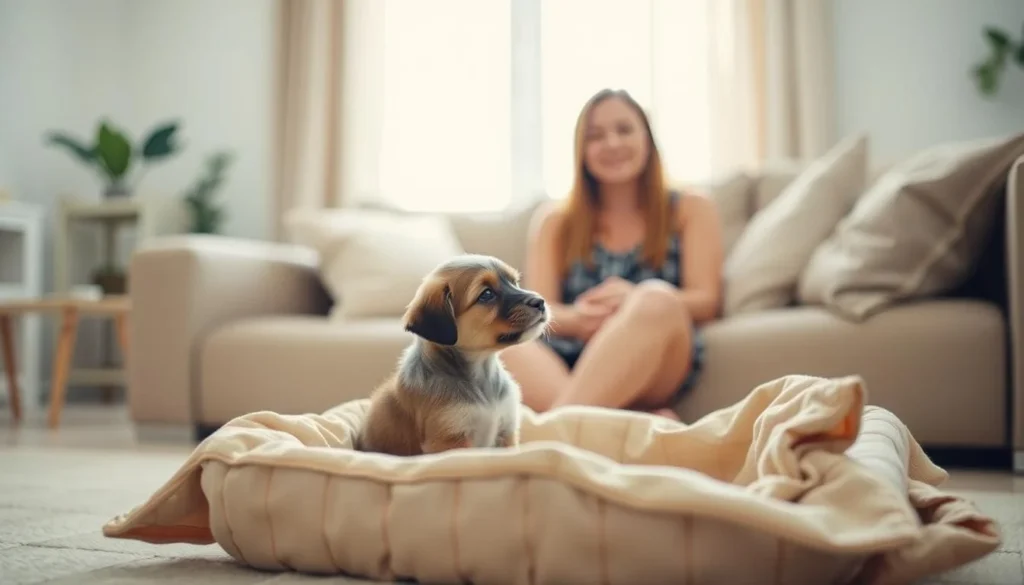
Creating a Playful Environment
Creating a playful space is key for any puppy. It helps guide their behavior in a good way. I've found that non-contact play is vital to stop mouthing and biting. Playing games that match my puppy's energy helps lower their biting urge.
Encouraging Non-Contact Play
One great way is to encourage non-contact play. This can be chasing balls or running together. It lets them use their instincts safely. I use colorful toys that are easy to spot, making playtime more fun.
Engaging in Fetch and Tug-of-War
Playing fetch and tug-of-war is also fun. These games give them physical exercise and teach play limits. Fetch teaches them to pick up items, and tug-of-war builds strength without biting. These games help my puppy learn to use their mouth right, cutting down on rough play.
How to Teach Puppy to Stop Biting
Learning how to teach your puppy not to bite is key to a great pet experience. It starts with finding out what makes them bite. Knowing these triggers helps us fix the problem and teach them better.
Identifying Triggers for Biting
Puppies bite for many reasons. Some common ones are:
- Discomfort: They might nip when they're in pain or uncomfortable.
- Overstimulation: Excited puppies often bite to release their energy.
- Boredom: Without fun activities, they might bite out of boredom.
Watching how your puppy acts and reacts helps spot these triggers. Knowing this lets us avoid situations that might make them bite.
Developing a Consistent Training Schedule
Having a regular training plan is crucial. It helps your puppy know when it's time to learn. This makes them understand what you want better and learn faster.
When planning your training schedule, include:
| Day | Training Focus | Duration |
|---|---|---|
| Monday | Bite Inhibition | 10 minutes |
| Wednesday | Redirecting Biting | 10 minutes |
| Friday | Positive Reinforcement | 10 minutes |
This routine helps both you and your puppy. It makes teaching your puppy not to bite easier and more effective.
Socializing Your Puppy
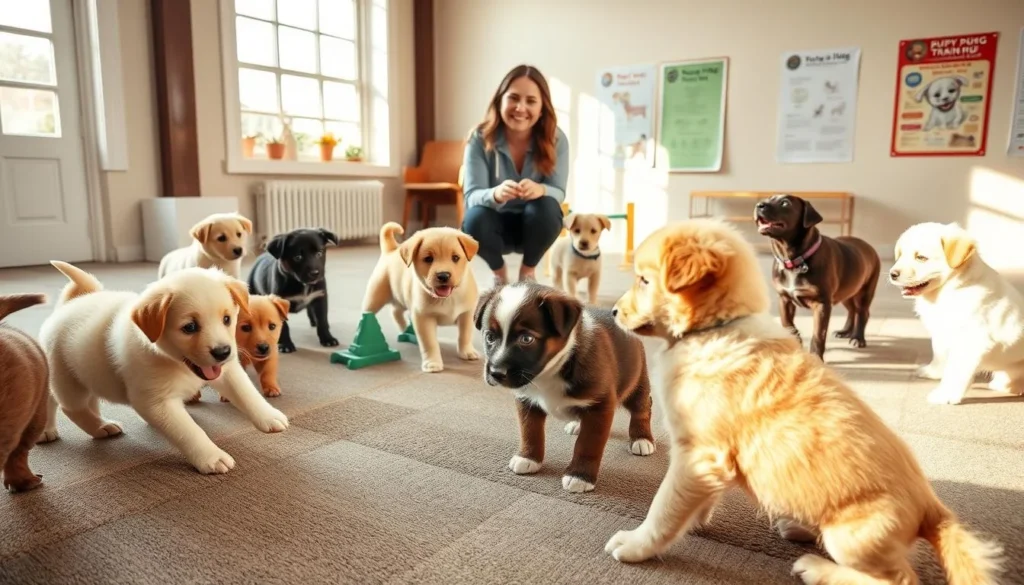
Socialization is key for a puppy's growth. It helps with bite control and teaches good habits for life. Puppy socialization classes are great for learning in a safe space with friends.
Benefits of Puppy Classes
Puppy classes offer a safe place for dogs to meet others. They focus on positive interactions, boosting confidence and reducing fear. These classes help dogs develop important social skills.
Playtime with Other Puppies
Play with other puppies is vital for learning right behavior. It's a chance for them to learn from each other and understand social cues. This play helps them see how their actions impact others, teaching them to play nicely.
| Benefits | Details |
|---|---|
| Controlled Environment | Class settings allow supervised interactions that promote safety. |
| Behavior Training | Puppies learn basic obedience commands and social norms. |
| Peer Learning | By playing with other puppies, they adapt and refine their biting behavior. |
| Building Confidence | Positive experiences in social settings foster self-assuredness. |
Preventing Biting During Play
Playtime should be fun, but it can sometimes lead to biting. Understanding overstimulation is key to preventing this. Puppies can get too excited, leading to biting. Spotting these signs early helps prevent problems.
Understanding Overstimulation
My puppy shows signs of overstimulation in different ways. They might bark more, move quickly, or lose focus. By noticing these signs, I can better manage their energy. Taking breaks or changing activities helps keep play safe for everyone.
Providing Calming Signals
Using calming signals helps my puppy relax. I lower my body or speak softly to signal calm. A calm play area is also important. Organized toys and enough space help reduce overstimulation. These steps make playtime better for both of us.
Managing Puppy Energy Levels
To keep puppies from biting, it's key to manage their energy. A tired puppy is a calmer one. This means less biting and better behavior. By mixing physical and mental activities, we create a happy, well-adjusted dog.
Ensuring Adequate Exercise
I ensure my puppy gets lots of exercise every day. Walks, runs, and playtime help burn off energy and keep them healthy. Here are some great ways to exercise your puppy:
- Daily walks for at least 30 minutes
- Interactive games like fetch or frisbee
- Avoiding overstimulation while engaging in vigorous play
Incorporating Mental Stimulation Activities
Mental games are as important as physical ones. I use puzzle toys, obedience training, and scent games to keep my puppy's mind sharp. These activities help them use their energy wisely and learn new things. Here are some ideas:
- Using puzzle toys that dispense treats
- Engaging in basic obedience training sessions
- Setting up a scavenger hunt around the house
| Activity Type | Exercise Ideas | Mental Stimulation Ideas |
|---|---|---|
| Physical | Walks, fetch, tug-of-war | Puzzle toys, crate games |
| Interactive | Play dates with other dogs | Training sessions, scent detection |
| Solo | Time in the backyard | Chew toys, interactive feeding |
When to Seek Professional Help
It's important to know when my puppy's biting is aggressive. Puppies often bite playfully, but some signs mean it's time for help. Knowing these signs helps me solve the problem.
Recognizing Signs of Aggression
Some behaviors are serious. If I see these in my puppy, it's time to act:
- Growling during play or interaction
- Snapping or showing teeth when approached
- Persistent biting despite training efforts
- Excessive lunging or aggressive body language
These signs mean my puppy might need special help.
Finding a Certified Professional Dog Trainer
Choosing the right trainer is key. A certified professional dog trainer can help with my puppy's behavior. Here's what to look for:
| Criteria | Why It Matters |
|---|---|
| Certification | Ensures the trainer has formal training in dog behavior and training. |
| Experience with Aggression | Experience in handling puppy biting related to aggression is crucial for effective training. |
| Training Approach | A positive reinforcement strategy is often more effective and humane than punitive methods. |
| Client Testimonials | Reviews from other pet owners provide insight into the trainer’s effectiveness. |
Getting professional help can make a big difference for my puppy and me.
Common Myths About Puppy Biting
It's easy to get confused about puppy biting. This confusion can make training harder. Knowing the difference between playful and aggressive biting is key. Not all bites are bad; they can be a sign of a puppy learning and growing.
Understanding this helps in training them better.
Dissecting Misconceptions
Many think any bite is aggressive. This can make new owners worried. But, puppies often bite to explore or play. It's important to know why they bite.
Myths about puppy biting can make training harder.
Understanding Normal vs. Problematic Biting
It's vital to know when a puppy's bite is normal or not. Normal biting is gentle and part of their learning. Problematic biting shows aggression or too much force. Knowing the difference helps in training that's both fun and teaches control.
| Myth | Reality |
|---|---|
| All biting is aggressive. | Puppies often bite to explore and play. |
| Biting indicates a bad dog. | Biting is a normal part of puppy behavior. |
| Training can solve all biting issues immediately. | Training takes time and patience to adjust biting behavior. |
| My puppy will never learn to stop biting. | With proper training and understanding, puppies can learn to control their biting. |
General Tips for Success
Training a puppy needs patience and consistency. I've learned that sticking to general tips helps a lot. Positive reinforcement makes our bond stronger.
Staying Patient and Consistent
Patience is key in puppy training. Biting habits take time to fix. Keeping calm and consistent helps my puppy understand what's right.
This approach builds trust and reinforces good behavior.
Avoiding Punitive Measures
Punishment can make a puppy scared and anxious. Instead, I focus on positive reinforcement. This way, I celebrate their successes and encourage good behavior.
Emphasizing Positive Playtime
Playing with my puppy is key to a strong bond. It makes them feel safe and happy. This helps keep them from biting and makes them more playful.
Benefits of Having Fun Together
Playing together makes our bond stronger. It's fun and teaches my puppy important skills. Games help us have positive moments and reduce biting.
Building a Strong Bond
Sharing fun times helps us trust and respect each other. It shows my puppy I'm a trustworthy friend. Positive playtime builds a strong bond, making our time together better.
Maintaining an Engaging Routine
Creating a routine for my puppy helps prevent biting and keeps them happy. It's important to include fun activities in our daily plan. This makes my puppy feel safe and keeps them active.
Having a routine helps them know what to expect. It makes them more balanced and calm.
Establishing a Daily Schedule
A daily schedule helps me plan out play, training, and rest times. I make sure to include:
- Set feeding times
- Regular exercise sessions
- Structured playtime
- Training intervals
Incorporating New Activities Regularly
To keep my puppy interested, I add new activities often. This keeps things exciting for them. Some fun activities we enjoy include:
- Introducing new toys or puzzles
- Exploring different walking routes
- Setting up playdates with other puppies
- Trying out basic agility training
Keeping a routine with fun activities promotes good behavior. It also strengthens our bond. Keeping things fresh keeps my puppy happy and eager to learn.
Conclusion
In this summary, we've explored how to teach puppies to stop biting. We've learned that puppies bite for many reasons, like curiosity or excitement. This knowledge is key to teaching them better.
Teaching puppies not to bite involves using positive methods and creating a safe space. I've shared ways to redirect their biting to toys and encourage gentle play. This helps them learn what's okay to do.
Being consistent and patient is crucial in this process. It makes our bond with our puppies stronger. With the right steps, we can turn biting into fun play, building a relationship filled with trust and happiness.