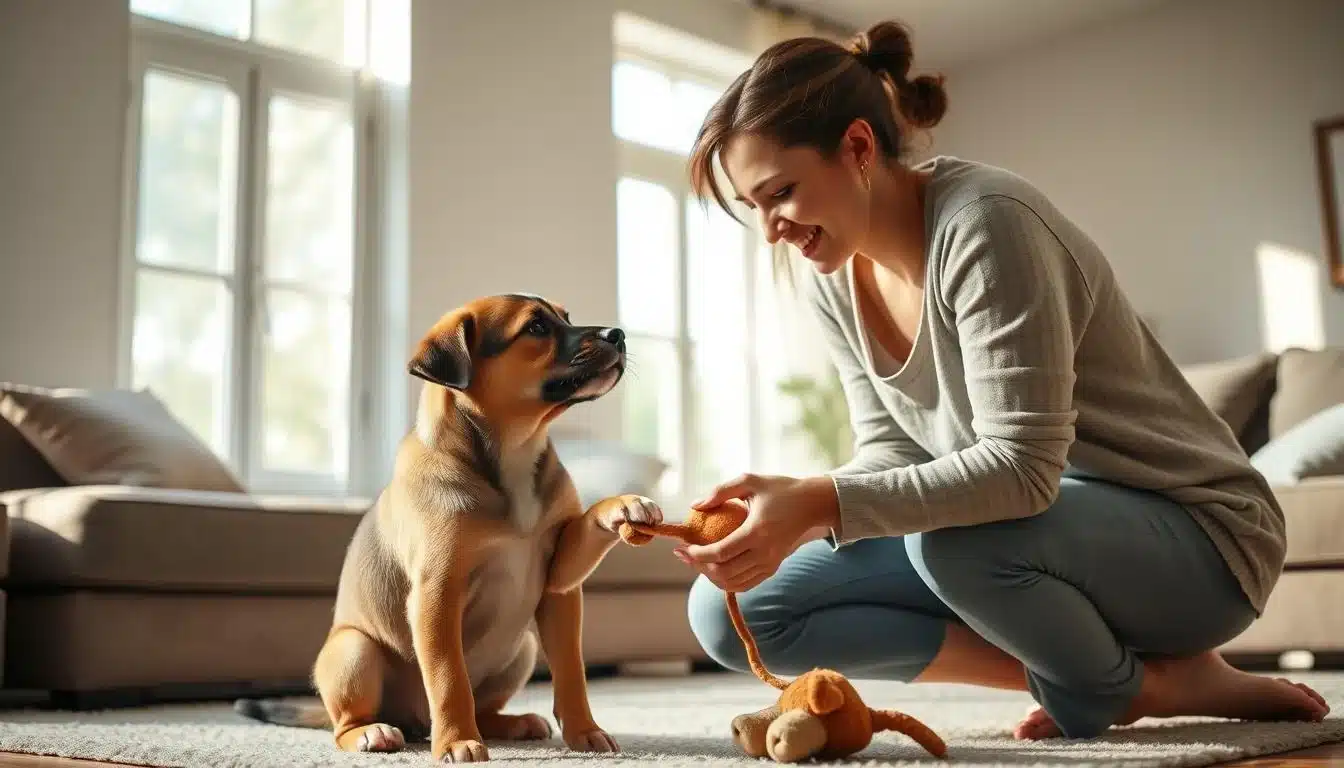
As a puppy owner, I remember the excitement of bringing home my little furball. But, their endless energy came with a bite—literally. The snuggling moments turned into frantic attempts to stop their playful nips.
Understanding that biting is a natural phase for puppies can be comforting. But, it doesn't lessen the urgency of breaking puppies from biting. That's why I want to share strategies for puppy behavior modification. We can correct puppy biting before it becomes a habit.
Together, we can create a safe and loving environment for our furry friends. We'll learn how to effectively stop puppy biting.
Key Takeaways
- Puppy biting is a common but manageable behavior.
- Understanding the root causes can aid in behavior modification.
- Effective training strategies can help correct biting.
- Creating a nurturing environment is vital for your puppy's growth.
- Seeking professional help may be necessary in some cases.
Understanding Why Puppies Bite
Puppies are naturally curious. They love to explore and learn about their world. This curiosity often leads them to bite and chew. Many new pet owners wonder if all puppies bite.
Seeing this behavior as a part of their growth can help. It can make our relationship with them better.
The Role of Exploration in Puppy Behavior
Exploring through biting is important for puppies. It helps them learn about their surroundings. They also develop their motor skills.
When puppies bite, they learn to control their force. This skill is key for their future interactions. Understanding this can make it easier for us to handle their natural instincts.
Puppy Teething: A Phase of Growth
The teething phase is a tough time for puppies. It usually starts around 12 to 16 weeks. During this time, they chew on objects to ease their sore gums.
This need to chew can make them bite more. Knowing this helps us find ways to soothe them. Giving them teething toys or safe objects to chew on is a good idea.
Play Behavior and Socialization
Play is key for socialization. Puppies learn boundaries and limits through play. They learn to bite and chew gently during play.
These experiences shape their behavior and help them become well-adjusted adult dogs. It's important to provide them with safe and varied play opportunities.
Identifying Normal vs. Problematic Biting
Knowing the difference between normal mouthing and biting is key. Puppies use their mouths to explore, showing their playful side. It's important to tell the difference to handle any issues right.
Normal Playful Mouthing
Normal mouthing happens when a puppy gently nips or chews during play. It's common in young dogs and helps them learn social cues. Look for signs like a wiggly body, relaxed ears, and a wagging tail to know it's playful.
Recognizing Signs of Fear-Based Biting
It's vital to spot fear-based biting to stop it from turning aggressive. Unlike playful mouthing, fear-based biting shows signs like growling and a tense body. A safe space and watching interactions can help prevent fear-driven aggression.
Breaking Puppies from Biting
Learning how to teach my puppy not to bite is crucial. It's important for them to know that human skin is sensitive. I use training techniques to teach them to be gentle.
When they bite too hard, I yelp and give them a brief time-out. This shows them that their strength needs to be adjusted.
Teaching Bite Inhibition
Playing games that encourage gentle mouthing is key. When my puppy bites softly, I praise them or give treats. This helps them understand the difference between gentle and aggressive biting.
By reacting positively to gentle play, I create a nurturing environment. This helps them develop this important behavior.
Practicing Gentle Play with Your Puppy
Encouraging gentle play helps curb biting and strengthens our bond. I use toys to guide their play and prevent bites. This teaches them to play without being too rough.
Regular play helps my puppy become well-behaved and loving. It's a great way to build a strong relationship.
Combining bite inhibition training with fun play sets my puppy on the right path. This approach builds trust and understanding. It benefits both of us in the long run.
Effective Training Techniques for Puppy Biting
Stopping puppy biting is key. Using positive reinforcement and time-outs helps a lot. These methods not only teach good behavior but also make our bond stronger.
Using Positive Reinforcement
Positive reinforcement rewards good behavior. When my puppy is calm and doesn't bite, I give praise or treats. This teaches them that being gentle is good.
By doing this often, we build a strong base for obedience training. It helps reduce biting over time.
Implementing Time-Outs
Time-outs are great for stopping hard biting. If my puppy bites too hard, I take them out of play. This lets them calm down and think about their actions.
It teaches them that biting ends playtime. Mixing time-outs with positive reinforcement makes training easier and more effective.
Substituting Toys for Your Hands
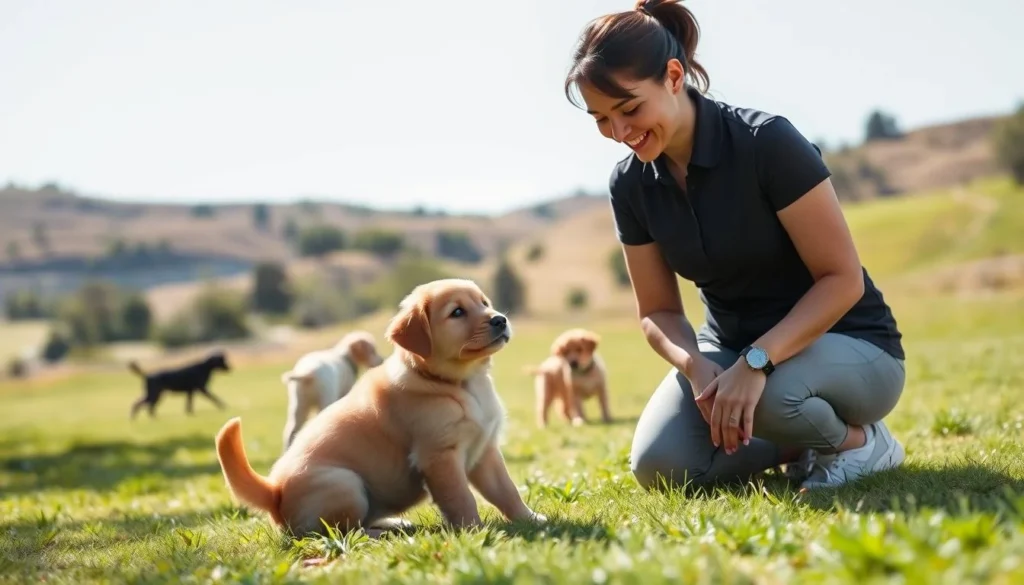
Understanding how to redirect your puppy's sharp teeth is key in puppy training to prevent biting. Having a variety of appropriate chew toys is crucial. Puppies naturally chew and bite as they explore. By using toys instead of hands, I teach my pup what's okay to chew on and protect myself.
Choosing Appropriate Chew Toys
Choosing the right toys for my puppy helps avoid unwanted biting. I choose chew toys made for puppies, as they meet their needs. Look for durable, safe materials that last and keep their interest. Some great options include:
- Rubber toys that can be filled with treats
- Soft plush toys for gentler pups
- Textured toys that massage gums during teething
- Interactive toys that promote problem-solving
Redirecting Play Behavior
When my puppy nips or mouths my hands or clothes, I quickly offer a chew toy. This teaches them toys are for play, not hands. Consistency helps my puppy learn to choose toys over hands. This practice teaches them what's okay to do.
This routine keeps my hands safe and reduces frustration during training. Regular play with different toys creates a positive environment. It helps develop healthy play and interaction habits.
| Type of Toy | Benefits | Recommended Brands |
|---|---|---|
| Rubber Toys | Durable, ideal for strong chewers | Kong, Nylabone |
| Plush Toys | Soft, gentle on gums | PetFusion, ZippyPaws |
| Textured Chew Toys | Massages gums, great for teething | Benebone, Pet Qwerks |
| Interactive Toys | Engages puppy's mind, fun to use | Paw5, Outward Hound |
Promoting Healthy Play Interactions
Play is key for a puppy's growth. It helps shape their behavior in a good way. By choosing the right activities, I can teach my puppy to play without biting.
Encouraging Non-Contact Play
Games like fetch and tug-of-war with toys are great. They help me bond with my puppy without biting worries. These games let puppies use their energy safely and stay fit.
Adding Variety to Playtime Activities
Keeping playtime exciting is crucial. I switch up toys and games to keep my puppy's mind active. This keeps them interested and reduces biting due to boredom. Adding puzzles or training makes playtime both fun and educational.
Dealing with Puppy Biting During Teething
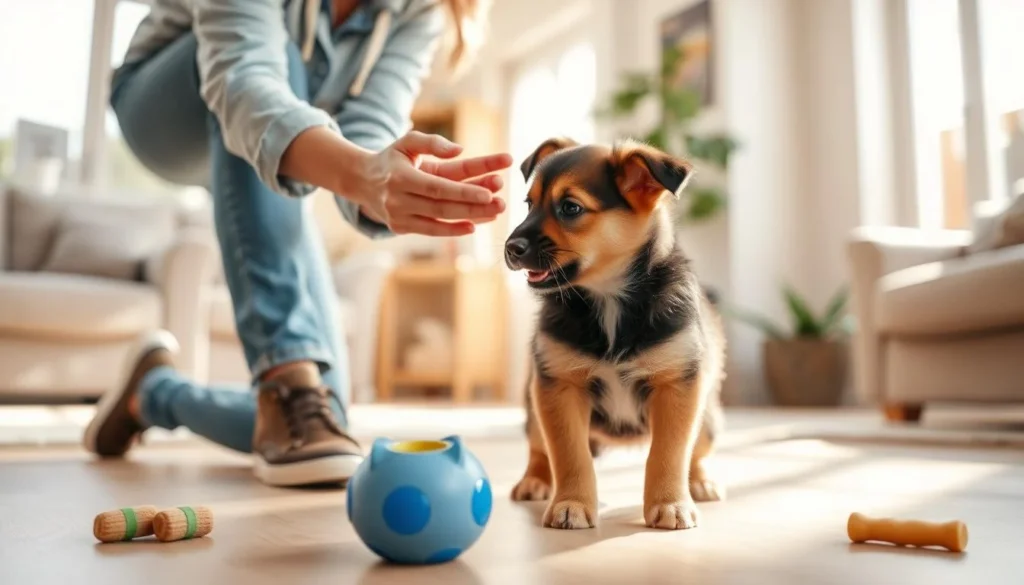
Teething can be tough for puppies, leading to more biting and chewing. Using the right teething toys helps them feel better and keeps me calm. These toys let them chew naturally and distract them from biting my hands.
Using Teething Toys Effectively
It's important to pick the right teething toys. They should be soft but strong, made for puppies to chew on safely. Rubber or silicone toys are great because they can handle a lot of chewing.
Some toys can even be frozen, which helps soothe their sore gums. Offering different textures and shapes keeps my pup interested and happy while they chew.
Providing Comfort During Discomfort
Comfort is key during teething. I give my puppy lots of reassurance and cuddles. Quiet time helps them relax and reduces biting.
Being patient and attentive helps a lot. With the right toys and emotional support, we get through this tough time together.
How to Handle Biting During Training
Handling biting during training needs careful strategies. I focus on two main things: keeping things consistent and making the training area calm. By always responding the same way to biting, my puppy learns what's right. This steady approach helps them learn better and stay positive.
Maintaining Consistency in Training
Being consistent is key for managing puppy behavior. When my puppy bites, I always react the same way. This clear rule helps them understand what's okay and what's not. It makes them feel secure and helps them learn faster.
Creating a Calm Environment for Learning
A calm place to train helps a lot. I keep distractions away so my puppy can focus. This way, they learn better and remember more. A peaceful area makes training positive and effective.
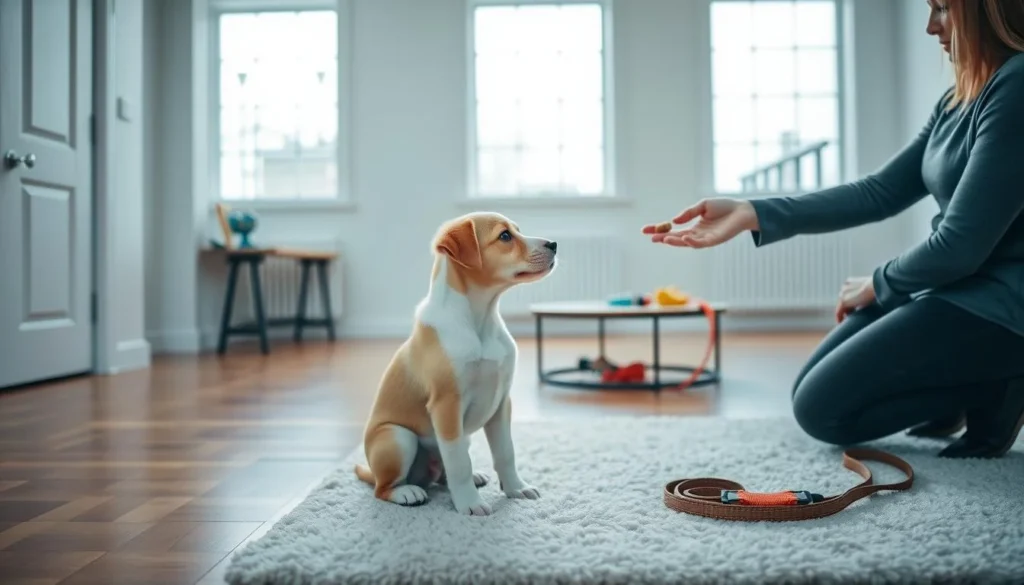
The Importance of Puppy Socialization
Puppy socialization is key for dogs to grow up happy and confident. Puppy classes are a great way to introduce your dog to new places, sounds, and other dogs. These classes offer safe, controlled interactions, which are crucial for a puppy's development.
What to Expect in Puppy Classes
In puppy classes, the focus is on training and social skills. Activities include:
- Basic obedience training to establish commands.
- Structured play sessions with other puppies.
- Short periods of exposure to different environments.
- Guidance from experienced trainers on managing interactions.
This hands-on approach makes learning fun and helps puppies feel at ease with their peers.
Benefits of Socializing with Other Dogs
Socializing with other dogs has many benefits for puppies. Some of the main advantages are:
- Enhancing communication skills: Puppies learn to read canine body language and signals.
- Reducing fear and anxiety: Positive interactions help puppies feel comfortable around different breeds and sizes.
- Lowering biting tendencies: By watching and participating in play, puppies learn when it's okay to use their mouths.
- Building confidence: Socialized puppies handle new situations better, leading to a calmer adult dog.
When to Seek Professional Help
Dealing with aggressive puppies can be tough. Knowing when to get help is key for a safe and happy environment. If your puppy bites too hard, growls, or shows aggression, it's time to seek expert advice. Understanding these signs helps me take the right steps.
Identifying Signs of Aggression
Aggression can show in different ways. A puppy might bare its teeth, growl, or bite harder. Spotting these signs early helps prevent things from getting worse. Knowing what triggers aggression is also crucial. It could be fear, discomfort, or protecting something.
Finding a Certified Professional Dog Trainer
Choosing the right dog trainer is important for your puppy's behavior. Look for trainers who specialize in aggression and positive training. They can create a training plan to help your puppy. A qualified trainer ensures your puppy learns good habits.
General Precautions to Prevent Biting
As a puppy parent, it's important to take steps to prevent biting. Understanding how our actions affect our puppies is key. This knowledge helps us create a better environment for both of us.
Avoiding Encouraging Rough Play
Rough play might seem exciting, but it can lead to biting. Setting clear boundaries during play is crucial. I focus on gentle play to avoid triggering biting instincts.
Managing Your Reactions to Biting
Our reactions to biting can influence our puppy's behavior. Loud noises or sudden movements might make them bite more. Staying calm helps manage reactions and encourages positive learning.
Understanding Puppy Temper Tantrums
Puppies can get upset and throw tantrums when they feel frustrated or overwhelmed. As a pet owner, it's important to know the difference between tantrums and playful biting. This helps us respond better during tough moments.
How Tantrums Differ from Playful Biting
When my puppy is upset, they might act differently than when they're just playing. I can tell if it's a tantrum by looking for signs like growling, barking, or biting. These actions show they're upset, not just playing.
Responding Calmly to Distressed Behavior
Dealing with tantrums means staying calm. Yelling or getting angry makes things worse. Instead, I use a soft touch or voice to calm them down. This helps us both feel better and trust each other more.
Helping Your Puppy Channel Energy
Puppies often bite because they have too much energy and get bored. I've learned that finding positive ways to use their energy can really help. By setting up a routine with fun activities, you can keep them busy and reduce biting.
Providing Physical Exercise
It's key to keep puppies active. Activities like:
- Daily walks
- Playtime in the yard
- Fetch games
- Obstacle courses
These help them grow well and use up their energy. I've seen a big change when my puppy gets enough physical play every day.
Engaging in Mental Stimulation Activities
It's also important to keep their minds sharp. You can do this with:
- Puzzle toys that challenge their problem-solving skills
- Training exercises to reinforce commands
- Interactive games that engage their minds
By mixing physical play with mental challenges, my puppy bites less and focuses more on fun activities.
Conclusion
Teaching puppies not to bite is a journey that needs patience and understanding. I've shared strategies to stop biting, from knowing why they do it to using good training methods. Remember, with a steady approach, you can teach your puppy better ways to show their feelings.
Training a puppy is more than just fixing bad behavior. It's about building a strong bond with them. Using positive reinforcement and giving them the right chew toys helps them learn to play safely. Socialization, play, and mental activities are key to shaping their behavior and making them a well-behaved friend.
The main thing is my commitment to training and socializing my puppy. With effort and time, they'll learn that playing doesn't mean biting. We can make training fun and effective, leading to a happy life full of play and gentle moments.