Welcoming a puppy into my home was incredibly joyful. Their tiny paws and wagging tails filled my heart with love and laughter. But, in those early days, I found out their little mouths could be quite nippy!
I remember feeling overwhelmed as my new companion playfully nibbled on my fingers. It quickly reminded me that setting boundaries was just as important as sharing joy. If you're facing the challenge of puppy nipping, you're not alone.
It's vital to stop puppies from nipping early to foster a gentle bond. In this article, I'll share practical and effective ways to stop puppy nipping. This ensures playful interactions remain joyful and pain-free for both you and your furry friend.
Key Takeaways
- Understand that nipping is a natural behavior for puppies.
- Early training is crucial for puppy nipping prevention.
- Teach bite inhibition to promote gentler play.
- Utilize toys to redirect nipping behavior.
- Establish consistency in training routines.
- Recognize the signs of aggressive nipping early on.
Understanding Puppy Nipping Behavior
Puppy nipping is a natural part of their play and exploration. They use their mouths to check out their world. At first, it's cute, but it needs to be managed.
Puppies nip when they're excited, bored, or want attention. They don't know their teeth can hurt. Knowing why they nip helps us teach them better ways to play.
The table below outlines common reasons for puppy nipping behavior:
| Reason for Nipping | Detailed Explanation |
|---|---|
| Playfulness | Puppies often nip during play as they engage with their littermates or human companions. |
| Teething | Nipping can increase during the teething phase as puppies seek relief for sore gums. |
| Attention-seeking | Puppies may nip to demand attention or initiate interaction with their owners. |
| Exploration | They frequently nibble on objects to explore, similar to how young children put items in their mouths. |
Understanding puppy nipping helps me guide my puppy's training. It builds a positive relationship based on understanding and patience.
The Importance of Early Training
Early training is key for puppies. It shapes their behavior and lays a strong foundation for their future. In the first few months, puppies grow a lot socially and behaviorally. This is a great time to teach them good habits and stop bad ones, like biting.
Starting training early gives puppies a sense of security and direction. Puppies that get consistent, positive training learn faster and listen better. Knowing the value of early training helps me shape my puppy's future behavior.
Early training boosts the chances of having a well-behaved adult dog. It requires patience and consistency. Through training, I see my puppy's behavior improve and our bond grow stronger.
Bite Inhibition: Teaching Your Puppy to Be Gentle
Teaching bite inhibition is key in puppy training. It helps my puppy learn to control their bite pressure. During play with their littermates, they naturally grasp this, playing gently.
I can recreate this at home to help my puppy understand better. If they nip too hard, I yelp, showing them it's not okay. This teaches them that gentle play is better.
As they learn, they'll see that gentle play leads to fun and bonding. With patience and consistency, my puppy will understand the value of gentle play.
What Causes Nipping in Puppies
Understanding why puppies nip is key to good training. Many things can make them nip. For example, excitement during play can make them nip a lot. Puppies show joy by biting, which is cute but needs to be taught not to bite people.
Teething is another big reason for nipping. Puppies bite to ease their sore gums. They might bite hands or toys to help with the pain.
Puppies also nip out of curiosity. They like to explore and bite things to learn about them. Sometimes, they nip to get attention, whether it's good or bad. Knowing why they nip helps me teach them better.
Effective Ways to Stop Puppy Nipping
Dealing with puppy nipping can be tough, but there are ways to stop it. Redirecting my puppy's behavior to toys is one method. When they start nipping, I give them a toy to focus on. This helps prevent nipping and keeps them interested in the right things.
Positive reinforcement is another key strategy. I reward my puppy for gentle behavior. Praising them or giving treats for not nipping teaches them what's acceptable. This approach helps them understand what's right and wrong.
Playing interactive games with my puppy is also helpful. Games like fetch or tug-of-war bond us and satisfy their biting urge. Giving them safe, enticing chew toys also helps. This way, they have many options to use their energy without nipping.
| Method | Benefits |
|---|---|
| Redirecting to Toys | Provides appropriate outlets for chewing, reinforces focus, and diverts from nipping. |
| Positive Reinforcement | Encourages gentle behavior, builds trust, and strengthens the bond. |
| Interactive Games | Reduces excess energy, fosters engagement, and promotes healthy play habits. |
| Providing Chew Toys | Offers safe alternatives, lowers the urge to nip at fingers or furniture, and supports teething relief. |
Redirecting Nipping Behavior with Toys
Redirecting nipping behavior is key for a well-behaved puppy. Using toys in training is both effective and fun. When my puppy nips, I quickly swap their focus to a toy. This makes training smoother.
Choosing the right toys is important. I pick items that grab my puppy's attention. When they nip, I give them their favorite toy. This teaches them what's okay to bite and gives them a healthy outlet for chewing.
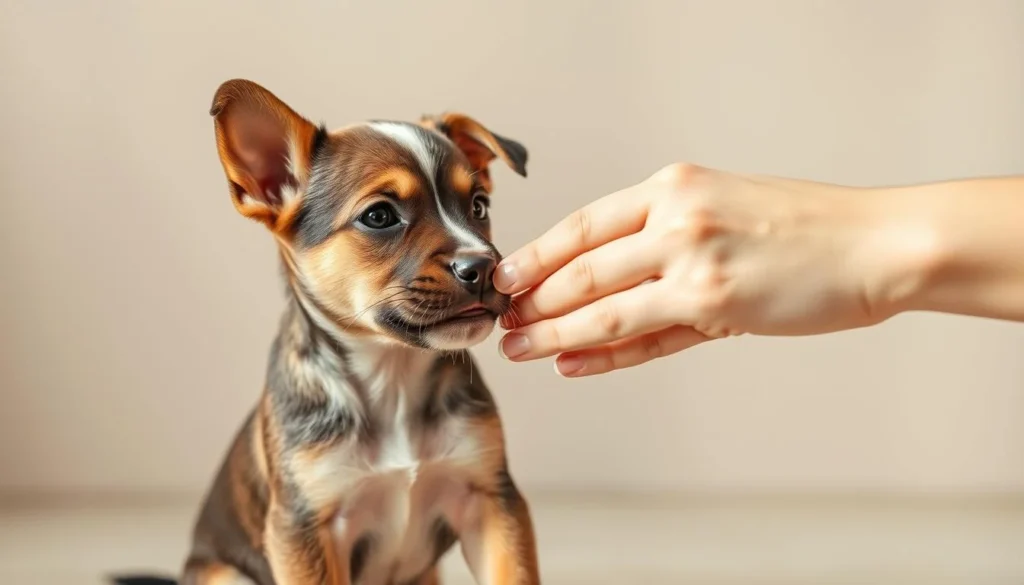
It's important to have a variety of toys. Textured toys, stuffed animals, and puzzles keep my puppy busy. These toys teach my puppy that they're the best thing to bite, not human skin. My aim is to make playtime positive and prevent bad habits.
Managing Puppy Nipping Behavior Through Play
Playtime is key for my puppy's happiness and growth. I make sure play is safe and fun, without nipping. Games that build trust and strengthen our bond are my go-to. I avoid rough play to keep things fun and safe.
I choose games that keep my puppy active without biting. Chasing toys or retrieving balls is perfect. It keeps them busy and happy without any rough play.
Structured play sessions are a big part of our routine. They help my puppy learn boundaries while having fun. This way, we avoid nipping and enjoy quality time together.
To show you some fun play ideas, I've made a table:
| Activity | Description | Benefits |
|---|---|---|
| Fetch | Throw a toy for your puppy to retrieve. | Encourages exercise and focus. |
| Tug-of-War | Use a rope toy to play tug, ensuring you control the game. | Builds strength and teaches controlled biting. |
| Obstacle Course | Create a mini-course with cushions or boxes. | Stimulates physical and mental engagement. |
| Hide and Seek | Hide and call your puppy to find you. | Enhances recall skills and fosters excitement. |
Using these methods, I keep playtime safe and fun. It helps us grow closer and avoid nipping. Every positive moment we share strengthens our bond.
Stop Puppies from Nipping: Techniques for Success
To stop puppy nipping, using a mix of training techniques is key. One method is to make a high-pitched yelp when they bite. This mimics what they'd get from their littermates and shows them biting hurts.
When they nip, I stop playing with them right away. This teaches them that biting means no fun or love. Another good way is to use time-outs. If they nip, I put them in a quiet spot for a bit. This helps them learn that their actions have consequences.
Adding positive reinforcement makes training even better. When they play nicely or use toys, I give them treats or praise. This encourages good behavior. By being consistent and adjusting my methods, I can stop puppy nipping and make our time together happier.
Using Time-Outs to Curb Nipping
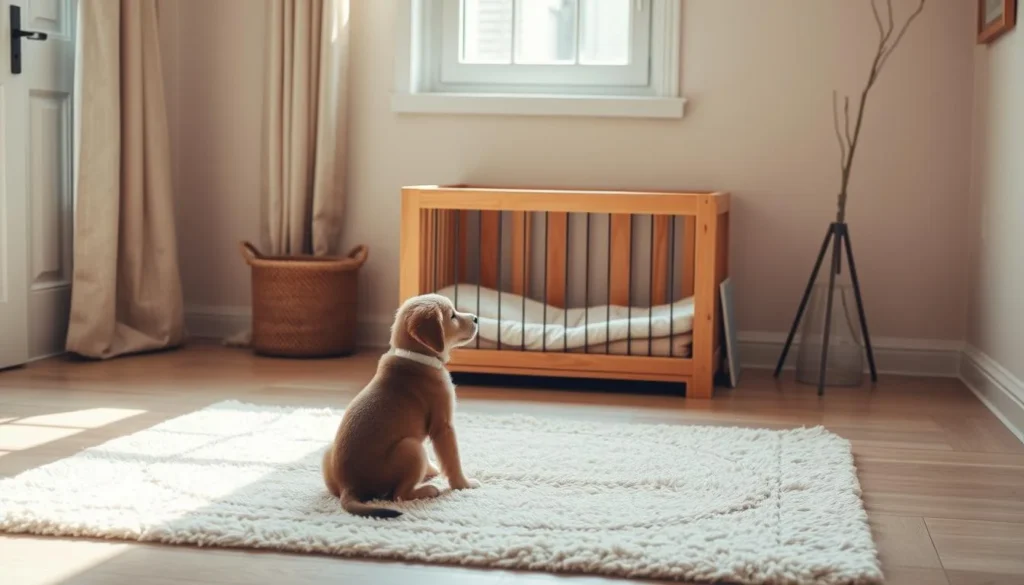
Using time-outs is a great way to stop puppies from nipping. When my puppy bites too hard, I take him away for a bit. Even a few seconds can teach him that nipping means missing out on fun.
Being consistent is key when using time-outs. Every time my puppy nips, I take him away calmly. This helps him learn that biting means losing playtime.
Time-outs should be short. A few seconds is enough. This way, my puppy quickly learns that his actions have consequences. I've seen a big change in his behavior over time.
It's important to keep the environment positive while using time-outs. This method not only stops nipping but also strengthens our bond. I reward good behavior with love and attention once he calms down.
| Behavior | Time-Out Response |
|---|---|
| Nipping too hard | Gently remove the puppy from play for a few seconds. |
| Excessive barking | Quietly walk away for a moment. |
| Jumping up | Step back and ignore until settled. |
| Incessant chewing on furniture | Redirect to a designated chew toy and take a brief time-out if the behavior continues. |
Introducing Alternative Chewing Options
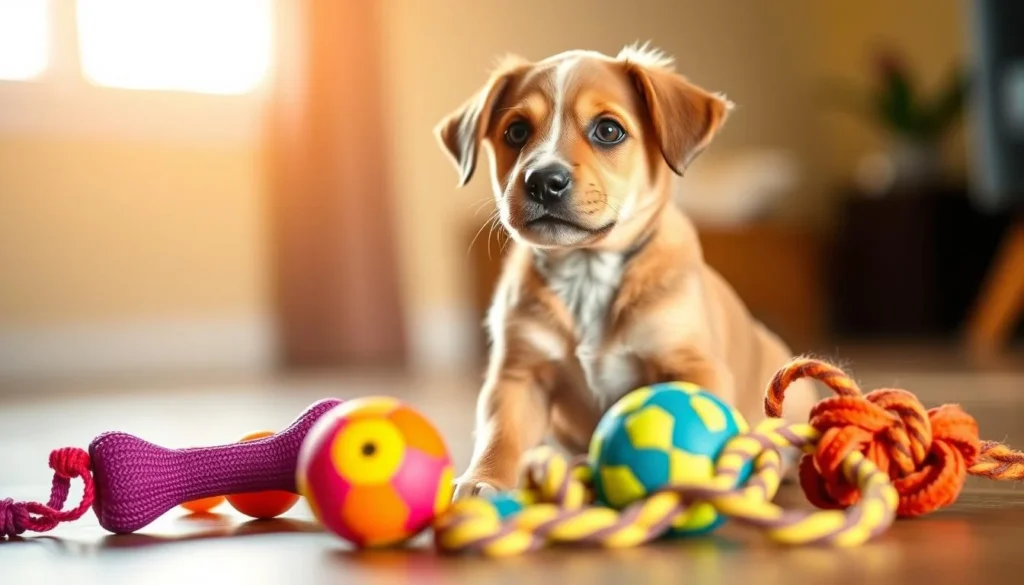
Looking into different chewing options for puppies is key. It keeps them from chewing on hands or furniture. Giving them the right chew toys teaches them what's okay to chew and what's not.
Chewing is a natural behavior for puppies, especially when they're teething. It helps them feel better. There are many chew toys out there, each with its own benefits.
Durable rubber toys and treat-filled ones are great for keeping puppies busy. They also help with mental stimulation. Rawhide bones are another good choice, but it's crucial to watch your puppy while they chew them.
It's important to switch up the chew toys to keep things interesting for your puppy. Here are some ideas:
- Gummy rubber bones that massage gums
- Interactive toys that dispense treats
- Natural rope toys for tugging and chewing
- Frozen chews to soothe teething pain
- Stuffed toys that are safe and durable
By offering these chew toys, you can help your puppy develop good chewing habits. This reduces the chance of them biting as a way to play. It makes for a happier puppy and a more peaceful home.
| Chew Toy Type | Benefits | Suggested Brands |
|---|---|---|
| Rubber Toys | Durable, promotes chewing | KONG, Nylabone |
| Rawhide Bones | Long-lasting, satisfies chewing instinct | Pet 'n Shape, Best Bully Sticks |
| Interactive Toys | Mental stimulation, treats dispensed | Paw5, Outward Hound |
| Frozen Chews | Soothes gums, fun to lick | PetSafe, Benebone |
| Stuffed Toys | Soft, good for snuggling and gentle chewing | KONG, ZippyPaws |
Maintaining Consistency in Training
Consistency is key in puppy training. Without it, my puppy might find it hard to understand what I expect. Using the same commands and reactions helps them learn faster.
Setting clear rules is important. It shows my puppy what's okay and what's not. This helps them know right from wrong.
Daily training is crucial for learning. I always use the same methods. This creates a routine that helps my puppy grow.
Consistency makes my puppy's environment better. It helps them learn and behave well.
Positive reinforcement is a great training tip. Treats, praise, and playtime mean they did a good job. It makes learning fun and rewarding.
Being consistent and patient helps my puppy develop good habits. This is especially true for behaviors like mouthing.
Training Tips to Stop Puppy Nipping
Stopping puppy nipping needs good strategies and patience. One top tip is rewarding calm play. I give my puppy treats or praise when they play nicely.
Starting play with toys instead of hands is also smart. It teaches my puppy that toys are for biting, not hands. This helps a lot in fixing their behavior.
Being consistent is crucial. I keep training sessions short, positive, and fun. This keeps my puppy interested and ready to learn. Using these tips helps turn nipping into fun play.
Encouraging Positive Play without Roughhousing
Creating a friendly environment for my puppy means focusing on positive play. I guide my puppy to games that don't involve biting. This helps set clear boundaries. Activities like fetch and tug-of-war help us bond without roughhousing.
To promote gentle play, I teach my puppy the difference between fun and unwanted behavior. Here are some strategies I use:
- Interactive toys help my puppy play without getting too rough.
- I reward calm behavior with treats and affection during play.
- Regular play sessions help my puppy develop good habits.
By focusing on positive play and gentle methods, we have fun and stay safe. Every moment together strengthens our bond and keeps playtime respectful.
Recognizing and Responding to Aggressive Nipping
It's important to know the difference between playful biting and aggressive nipping. Playful nipping is loose and relaxed. Aggressive nipping shows stiff posture and a growl. Knowing these signs helps me respond right to nipping.
Seeing aggressive nipping means I need to act fast. I stop playing right away. This shows my puppy that aggressive behavior is not okay. If I keep playing, it might make the problem worse.
If my puppy keeps showing aggressive signs, I should get help from a pro. A trainer can give me special plans to fix the problem. They look at my puppy's behavior and surroundings to find the best way to manage it.
Puppy Teething and Nipping: Understanding the Connection
Puppy teething and nipping often go hand in hand. These adorable companions feel discomfort during their teething phase. As puppies grow, their mouths can feel sore, prompting them to chew on various items around the house.
This teething behavior not only relieves their discomfort but also helps them explore the world with their mouths.
Recognizing the connection between puppy teething and nipping helps me support my furry friend better. I often turn to appropriate toys and chewables designed to soothe their teething pain. These options can relieve their discomfort while offering a safe outlet for their urge to chew.
Understanding that teething is a natural phase allows me to practice patience during this time. This ensures my puppy receives the guidance they need as they adapt to new sensations.
Here’s a table that outlines some common symptoms of teething behavior and suggested actions to help manage it:
| Teething Symptoms | Recommended Actions |
|---|---|
| Increased chewing on furniture or shoes | Provide safe, chew-friendly toys |
| Excessive drooling | Ensure plenty of fresh water is available |
| Gum sensitivity or irritation | Offer cold chew toys to soothe their gums |
| Increased nipping during play | Use verbal cues and redirect to toys |
Understanding how puppy teething can affect nipping behavior allows me to tailor my approach to training. I can maintain a nurturing environment while guiding my puppy away from unwanted nipping habits. By meeting their needs during this critical development stage, I set the foundation for a well-mannered adult dog.
When to Seek Professional Help for Nipping Issues
As I train my puppy, I often think about when to ask for help. Nipping is common, but if it doesn't stop, it's time to seek professional help. A qualified trainer can give me advice that fits my puppy's needs.
Knowing when to get help is key. If my puppy keeps nipping and standard training doesn't work, it might be a sign of deeper issues. A professional can help figure out if my puppy is anxious, stressed, or if something else is causing the behavior.
Getting help early is important to prevent aggression. Recognizing when it's time for professional help can make our relationship better. I've found that the right guidance helps me understand my puppy better and teaches me how to raise a well-behaved pet.
Conclusion
Stopping puppy nipping early is key to a strong bond with my furry friend. Using positive training and consistency helps a lot. It's not just about saying no; it's about teaching them to communicate better.
Using other play options and structured play helps reduce nipping. This way, my puppy learns how to play nicely. Being patient and proactive is crucial in this journey.
Overcoming nipping builds trust and affection. With the right strategies, we can have a happy puppy that plays nicely. Every step we take makes our bond stronger.