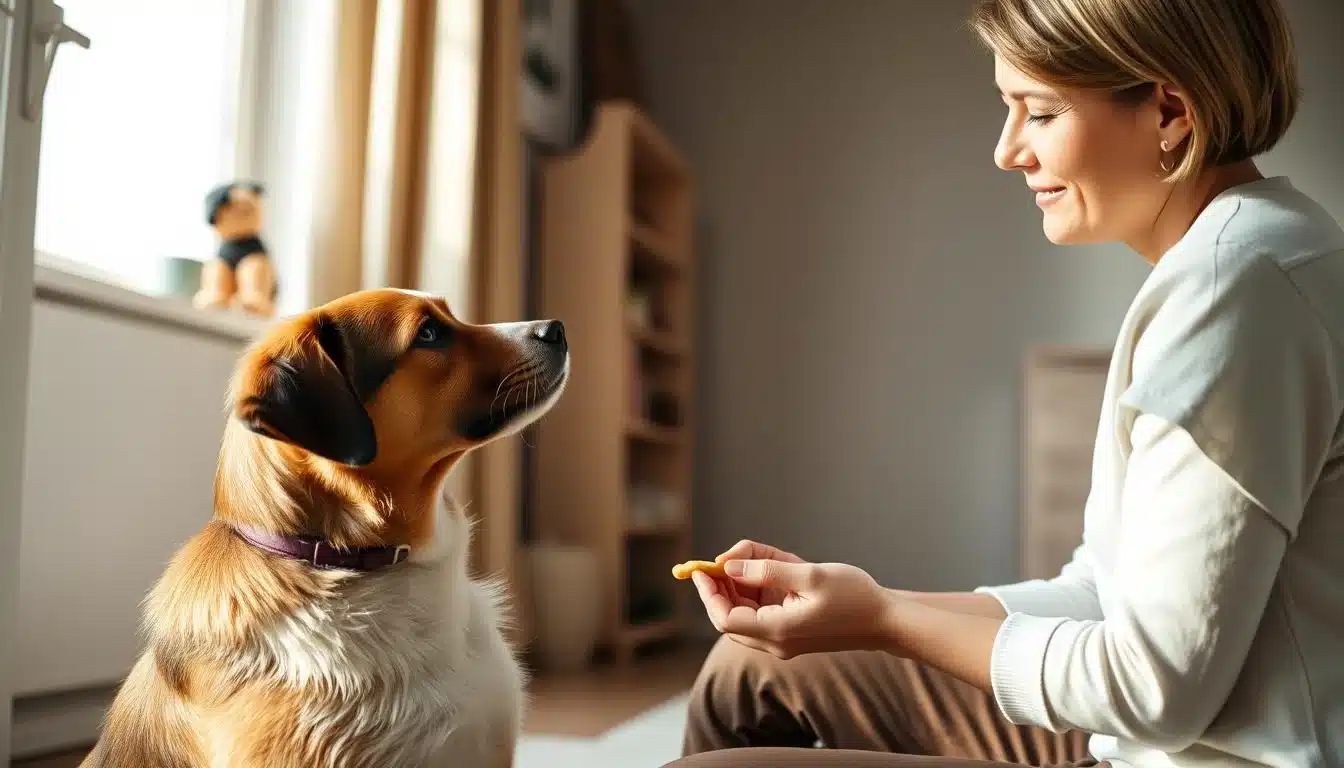
As a proud dog owner, I often wish for a peaceful home. I want unexpected visitors to not upset my furry friend. It's heartbreaking when my dog feels anxious, and it makes me feel uneasy too.
I'm not alone in wanting to stop my dog from barking at people. It can really disrupt our lives and make visitors uncomfortable. Learning how to stop dogs from barking is important. It helps keep our home calm and makes my dog feel safer.
In this article, I'll explore why dogs bark at people. I'll share my own experiences and offer practical tips. These tips aim to make our home a calmer place for everyone.
Key Takeaways
- Barking is a natural behavior, but it can be managed with proper training.
- Understanding the triggers behind barking helps in finding effective solutions.
- Creating a comfortable environment is key to reducing barking issues.
- Positive reinforcement can effectively teach quieter behaviors.
- Regular exercise contributes to a calmer and happier dog.
- Professional help may be necessary in more challenging cases.
Understanding Why Dogs Bark
Many dog owners wonder why their pets bark. They look for ways to manage this behavior. Dogs bark for many reasons, like needing attention, feeling scared, getting excited, or protecting their territory. Knowing these reasons helps me find ways to stop unwanted barking.
Common Reasons for Barking
Dogs bark to show their feelings or react to their surroundings. Some common reasons include:
- Attention-Seeking: Dogs bark to get my attention, whether wanting playtime or basic companionship.
- Fear or Anxiety: A dog can bark from fear, especially when encountering strangers or unfamiliar situations.
- Excitement: Barking can erupt from excitement, like during play or upon seeing familiar faces.
- Territorial Behavior: Many dogs bark to establish territory, alerting me to perceived threats.
The Role of Territory in Barking
Territorial instincts are a big reason dogs bark. When my dog sees something or someone near its territory, it barks as a warning. This behavior is part of their natural instincts to protect their home and family. Knowing this helps me understand how to stop dogs from barking at people near our property. It also guides me in training methods that tackle these specific triggers.
| Reason for Barking | Description | How to Address |
|---|---|---|
| Attention-Seeking | Dog barks to get my attention | Redirect focus with toys or commands |
| Fear | Barking occurs when scared of strangers | Expose in controlled settings to build confidence |
| Excitement | Barking bursts during play or interaction | Incorporate calm behavior practices |
| Territorial | Barking at people near home or yard | Introduce training to diminish territoriality |
Identifying Triggers for Your Dog
Figuring out what makes my dog bark is key to stopping them from barking at people. The first step is to find out what triggers their barking. This can be different for every dog. For my dog, it's usually fear of strangers or excitement when meeting new people.
Watching how my dog reacts can help a lot. This way, I can better handle their barking.
Fearful Reactions to Strangers
My dog barks at strangers because they're scared. This fear can show in different ways, like cowering or growling. It's important to notice these signs to understand what's causing the barking.
To make my dog feel safer, I try to make their environment more comfortable. I slowly introduce them to strangers. This helps build trust and lowers their anxiety.
Excitement Levels When Meeting New People
My dog also barks when they're excited to meet new people. They might wag their tail a lot or jump up and down. Knowing this helps me react differently.
Using treats to reward calm behavior helps a lot. This way, my dog learns to stay calm when meeting new people.
How to Stop My Dog from Barking at People
Understanding how to stop your dog from barking at people is key. Learning effective methods to reduce barking is crucial. By using specific techniques, you can improve how your dog reacts to new people or situations.
Desensitization Techniques
Desensitization means slowly introducing your dog to triggers that cause barking. This can include:
- Starting at a distance: Let your dog watch people from a safe distance.
- Gradually closing the gap: As your dog gets more comfortable, slowly bring them closer to the trigger.
- Offering treats: Rewarding your dog for staying calm helps them associate calmness with positive outcomes.
Positive Reinforcement Methods
Positive reinforcement is a powerful way to reduce barking. Here's how to use it:
- Reward quiet behavior: Give treats or praise when your dog stays calm near someone.
- Teach commands: Teach your dog to stop barking with commands like “quiet” and reward them for listening.
- Create a distraction: Use toys or play to distract your dog from barking at people.
Creating a Comfortable Environment
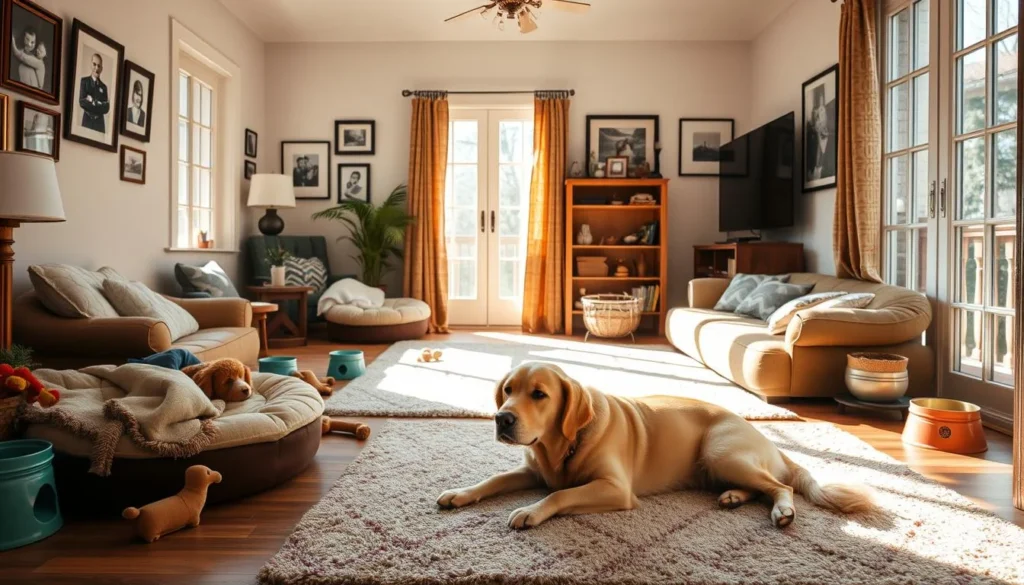
A comfy environment is key to reducing my dog's anxiety and barking. It's important to make a safe space for them. A cozy spot lets my dog feel safe and calm when things get stressful.
The Importance of a Safe Space
Having a safe space boosts my dog's security. A special area with their favorite bed or blanket is calming. It's a place where they can relax and feel safe from the world outside.
When things get tough, knowing they have this spot helps. It stops them from barking for attention.
Blocking Visual Stimuli to Reduce Barking
Less visual stuff helps stop my dog from barking for attention. Decorative mesh or opaque fencing blocks their view of passersby. This makes it less likely for them to bark at strangers, keeping our home peaceful.
| Strategy | Description | Benefits |
|---|---|---|
| Safe Space | A cozy retreat for my dog. | Reduces anxiety and encourages calm behavior. |
| Visual Barriers | Use of fencing or screens to block views. | Minimizes barking triggers by reducing distractions. |
| Routine | Establishing a predictable daily schedule. | Enhances my dog's comfort and security, leading to less barking. |
Training Commands to Control Barking
Training commands are key in managing dog behavior, like excessive barking. By teaching my dog specific commands, I can control the situation and cut down on noise. This section looks at two effective commands: "quiet" and "go to your mat."
Teaching the "Quiet" Command
To teach the "quiet" command, I let my dog bark a few times. Then, I firmly say "quiet." When they stop barking, I reward them with a treat or praise. Doing this often helps my dog learn that being quiet is rewarded.
This is a crucial way to stop my dog from biting using commands. Being consistent is key during this training.
Using a "Go to Your Mat" Cue
Using a "go to your mat" cue also helps control barking. I pick a specific mat for my dog and tell them to go there when visitors come. By guiding them to the mat and praising them, I create a calm space.
Managing Your Dog's Behavior with Distractions
Managing dog behavior is all about using distractions. These distractions help shift my dog's focus away from barking triggers. Engaging them with fun toys and treats is key. It steers them towards better actions.
Interactive play is a big help. It keeps my dog's mind on something else. This way, they're less likely to bark.
Effective Use of Toys and Treats
For my dog, toys that challenge their mind are the best. Treat-dispensing toys are especially good. They keep my dog busy and reward them for good behavior.
When someone comes over or there's a loud noise outside, a favorite toy or treat works wonders. It distracts them and stops the barking.
Implementing Mental Stimulation Games
Mental games are great for my dog's brain. Puzzle toys and hide-and-seek with treats are perfect. They distract from barking and keep their mind sharp.
Introducing new games often keeps my dog excited and calm. It makes our home a happier place.
Practicing Good Visitor Etiquette
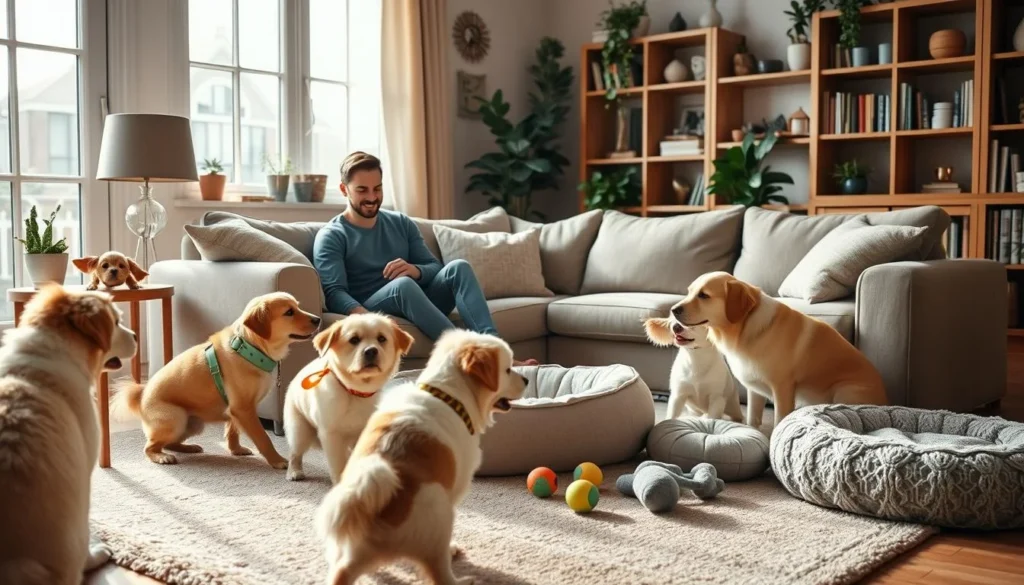
Creating a welcoming space for guests and keeping my dog safe is key. Proper visitor etiquette with dogs makes everyone's visit better. Controlled introductions help my dog feel more at ease, which means less barking.
Setting Up Controlled Introductions
Setting up controlled introductions is crucial when guests come over. I keep my dog in a separate room at first to help them calm down. Then, I bring them into the room on a leash.
This way, I can watch how they react and make sure they're okay. It keeps my dog secure and helps prevent barking.
Communicating with Guests About Your Dog
Telling guests about my dog's likes and dislikes is important. I share any special tips for interacting with my dog. Using treats is a great way to make things positive.
If visitors give me treats, my dog feels more relaxed. This simple step helps a lot in being polite to guests with dogs.
| Visitor Action | Effect on Dog | Recommended Approach |
|---|---|---|
| Ignoring the Dog | Reduces anxiety | Stay calm and avoid direct eye contact |
| Tossing Treats | Fosters positive associations | Encourage friendly gestures |
| Standing Tall | May appear threatening | Encourage squatting or sitting down |
| Speaking Loudly | Can increase agitation | Encourage quiet and calm conversation |
Providing Structure and Routine
Creating a structured routine is key for a calm and happy dog. Through my dog training journey, I learned that consistent routines reinforce good behavior. Dogs love knowing what to expect, and a schedule helps their happiness.
Establishing Consistent Training Sessions
Regular training sessions teach new commands and strengthen your bond. Setting aside time each day for training makes my dog more focused and eager. This consistency helps solve behavioral problems like nipping.
Focused sessions also create a positive learning environment. This is crucial for addressing concerns directly.
Regular Exercise to Calm Your Dog
Exercise is vital for calming an energetic dog. Daily walks or playtime release energy and reduce stress. A tired dog is usually well-behaved.
Adding physical activity to my dog’s routine prevents barking and nipping. I look for fun activities that match my dog’s breed and personality. This keeps them motivated and happy.
Socialization Strategies for Your Dog
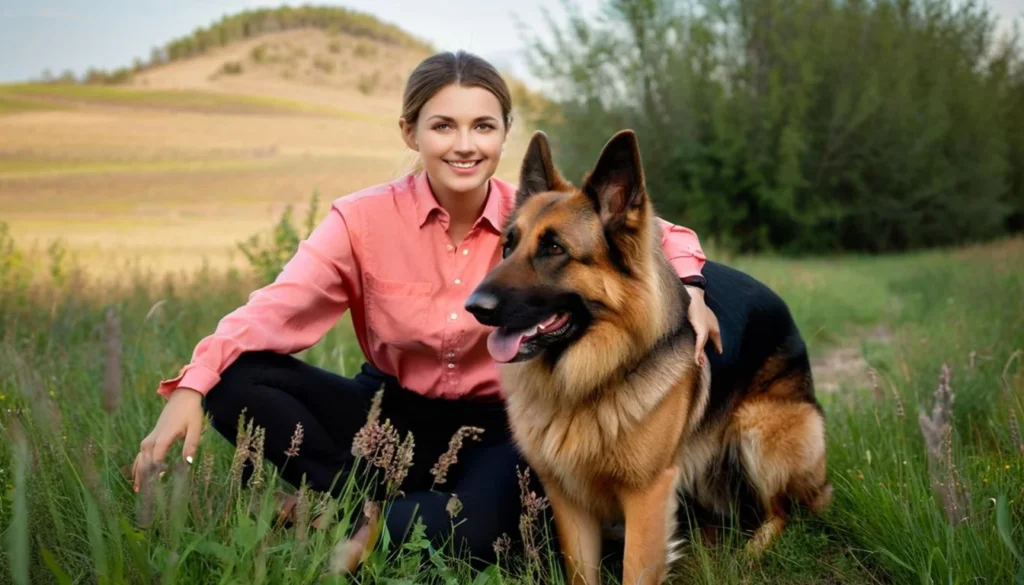
Socializing dogs can really help cut down on unwanted barking, especially when they meet new people. By introducing my dog to many people in a safe way, I help him have good experiences. This makes him less anxious and excited when he meets strangers.
Introducing Your Dog to New People
Meeting friendly and calm people is a great way for my dog to get used to different personalities. I pick places like parks or backyards where he feels at ease. This helps him make positive connections and bark less.
Socializing with Different Environments
It's important to take my dog to different places, like busy streets and quiet neighborhoods. Taking him on walks in various spots helps him get used to new sounds and sights. This makes him more confident and less scared in social situations.
The Art of Ignoring Unwanted Barking
Helping my dog taught me the power of ignoring barking. It's a method that needs patience and understanding. Dogs bark for many reasons. By ignoring their barks, I teach them that it won't get them attention or treats.
Understanding the Importance of Non-Reaction
Not reacting to barking is key to stopping it. When I ignore my dog's barks, I show them it doesn't work. It's important to be consistent. This teaches them that barking won't get them what they want.
Instead, I reward good behavior. This improves our relationship and makes life better for both of us.
Ignoring the Doorbell or Knocking Sounds
Doorbells and knocks can make me want to react. But training my dog to ignore these sounds makes our home calmer. I ignore these noises, teaching my dog that barking won't get a response.
This approach helps create a peaceful home. It also shows my dog that barking won't get my attention.
Using a Crate Effectively for Calmness
Using a crate is a smart way to help my dog relax. It's like a cozy retreat for them when they feel stressed. Learning about crate training can really help my dog feel better when they're anxious.
Benefits of Crate Training
Crate training is more than just keeping my dog in a box. It helps them feel safe and calm. Here are some key benefits:
- A designated safe space: My dog sees the crate as a place to go when they're feeling scared.
- Reduction of stress: The crate gives my dog a predictable place to be, making them feel safer.
- Enhanced nighttime routine: It helps make bedtime peaceful, which improves their behavior.
Creating a Comfort Zone in the Crate
To make the crate a cozy spot, I follow a few steps. Here's how I make it inviting:
- Comfortable bedding: I add soft blankets to make the crate a comfy place to relax.
- Engaging toys: I put fun toys in the crate to keep my dog busy and happy.
- Positive reinforcement: I give my dog treats for going into the crate, which makes them like it more.
By understanding crate training and making the crate a cozy spot, my dog feels safe. A crate is a key tool for keeping my home peaceful and calm.
Going for Walks: A Calming Experience
Walking my dog regularly has many benefits. It's not just about getting them to move. It also helps them stay fit and meet new people. This can really help them feel less anxious and excited around strangers.
Learning to walk with new people can change our walks from boring to exciting. It's a chance for both of us to grow and enjoy each other's company.
The Benefits of Walking with New People
Walking with new people has many good effects. It helps my dog feel less territorial and introduces them to different social settings. Every new person we meet is a chance for my dog to learn and grow.
This makes my dog calmer and less likely to bark at visitors. It's a win-win for both of us.
Reducing Excitability through Exercise
Exercise is key to keeping my dog's behavior in check. Regular walks help burn off excess energy. This means less barking at home.
By focusing on exercise, we create a more peaceful home. Our walks are a big part of our daily routine. They help us both feel better and more relaxed.
| Aspect | Benefits |
|---|---|
| Physical Health | Improves fitness and reduces obesity |
| Socialization | Exposes dog to new people, lessening anxiety |
| Behavior Management | Helps reduce excitability and barking |
| Bonding | Strengthens the relationship between dog and owner |
Seeking Professional Help if Necessary
When my dog's barking gets too much, I know it's time to get help. A dog behaviorist can give me strategies that fit my dog's needs. This can really help change their behavior for the better. Getting professional dog training is good for both of us.
When to Consult a Dog Behaviorist
If my dog's barking keeps us up or makes them stressed, it's time to seek help. Here are some signs you might need a professional:
- Excessive barking when they see other dogs or people.
- Showing aggression or fear in social situations.
- Struggling to train them on my own.
Finding the Right Training Resources
Finding the right trainer is key to solving the barking problem. I look for:
- Local dog behaviorists or trainers with good reviews.
- Certifications from known organizations.
- Recommendations from other dog owners or vets.
Conclusion
Learning to stop my dog from barking at people is achievable and rewarding. By knowing what triggers my dog, I can use strategies to make our home calmer. Each approach, from desensitization to positive reinforcement, helps create a peaceful space for both of us.
Consistency is crucial in managing my dog's barking. Regular training and patience help change how my dog reacts to new things. When my dog feels safe and loved, they bark less, making our life together more peaceful.
With time and effort, I can make our home a place where my dog feels secure and calm. This not only improves my dog's life but also makes our time together more enjoyable. We can then enjoy the company of others without interruptions.