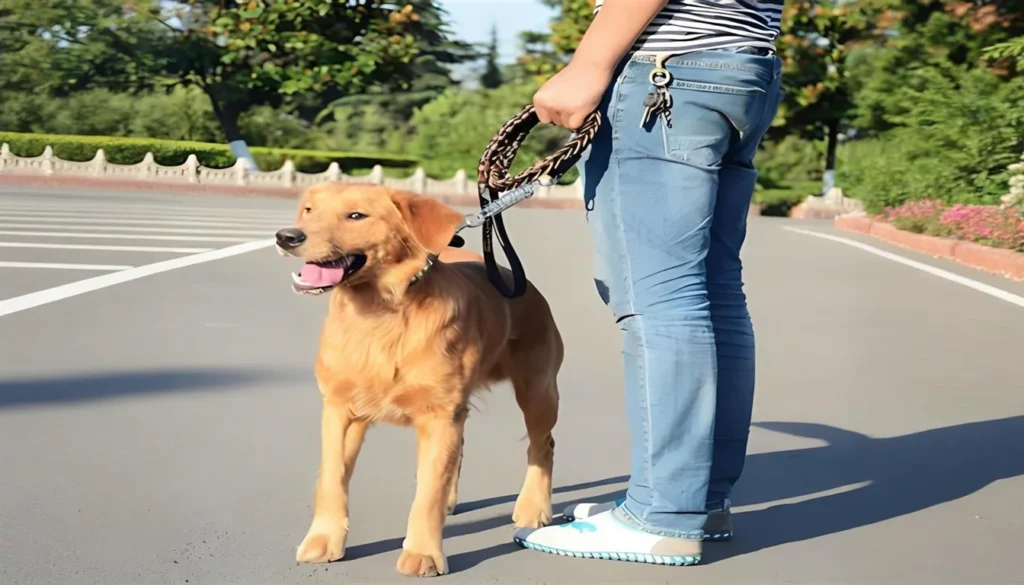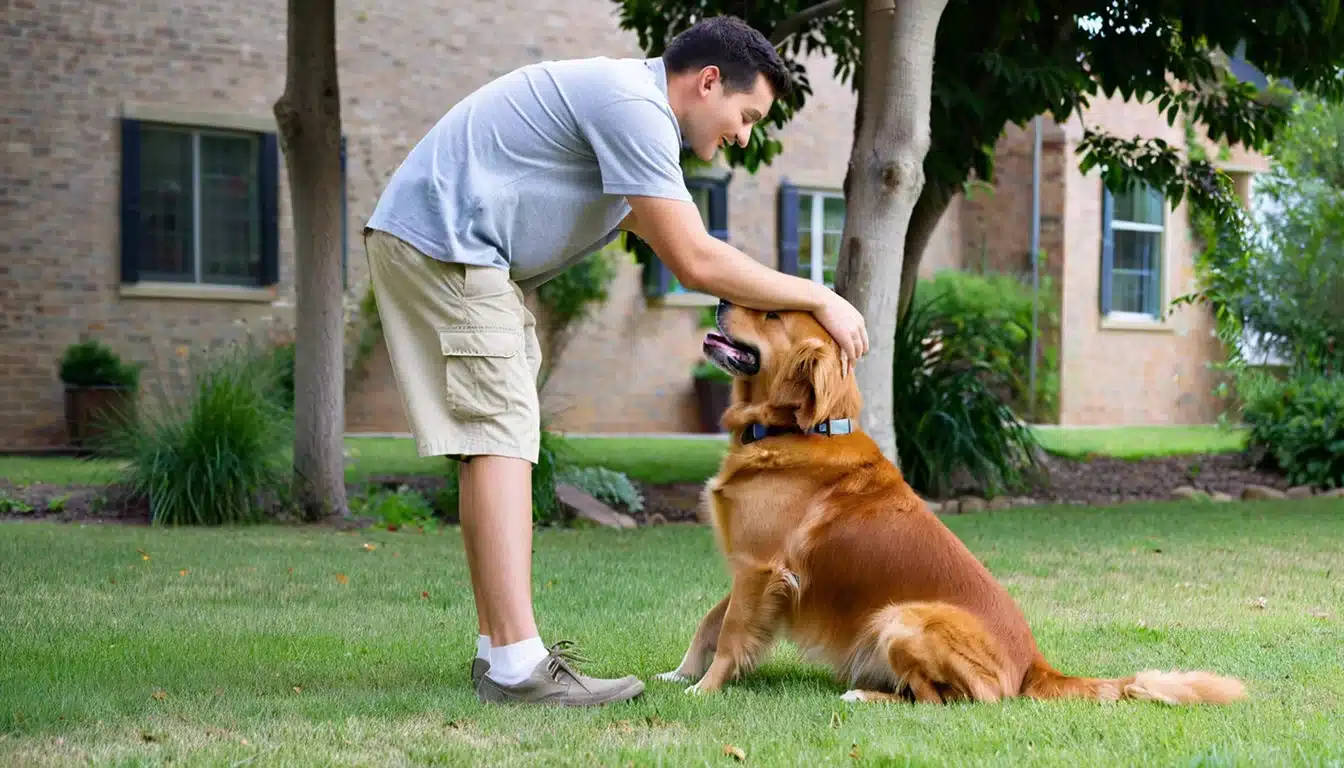
I remember the first time my foster Labrador puppy bit my sleeve. It was hard enough to make me jump. That small bite made me wonder: how can I keep him safe and protect my family without scaring him? I've learned from veterinarians, dog trainers, and behaviorists how to stop dog from biting without losing trust.
This guide offers practical steps for puppies and adult dogs. We'll cover teaching bite inhibition, managing teething, and redirecting chewing. Safety is key because adult dogs can hurt people with their bites. Early intervention is crucial for behavior that continues into adulthood.
I follow advice from veterinary behaviorists and trainers. This includes using time-outs, redirecting to chew toys, and socializing dogs. If you're worried about your dog biting, we'll focus on humane solutions first. If bites are severe, we'll look into professional help.
Key Takeaways
- Start with safety: adult bites can injure—address mouthing early.
- Use humane, evidence-based methods like redirection, time-outs, and chew substitutes.
- Differentiate puppy teething from problematic adult biting and respond accordingly.
- Be consistent: clear rules and short daily practice sessions work best.
- Call a certified trainer or behaviorist if biting is frequent, strong, or fear-based.
Understanding why dogs mouth and bite
I explain how to tell if a dog is just mouthing or if it's aggressive. Knowing why dogs mouth helps you stay calm and teach them better. I show you how to spot the difference between playful bites and serious snaps.
Normal play mouthing vs. aggressive biting
Playful dogs are loose and soft, and they bite gently. This is part of learning and usually stops when they see their playmate is uncomfortable. It's important to watch their body language to understand their intentions.
Aggressive bites are quick and hurt a lot. Look for stiff body, pulled lips, and teeth showing. If you think it's aggression, get help from a certified animal behaviorist or a professional dog trainer.
Developmental reasons: teething and exploration
Puppies have 28 sharp teeth that need to come in. They mouth and chew to explore and ease their gums. Teething explains a lot of early mouthing and makes it easy to redirect them.
Techniques like a short yelp or walking away can teach them not to bite. Some dogs get too excited by attention, so try being silent and offering a chew toy instead.
Behavioral causes in adult dogs
Adult dogs mouth for many reasons, like exploring or keeping teeth clean. Destructive chewing might mean they're anxious, stressed, hungry, or have habits like fabric-sucking.
Understanding why a dog bites helps you choose the right solution. This makes it easier to know when basic training works and when you need professional help for serious issues.
how to stop dog from biting
I start by setting clear goals for training. My main goals are to stop hard bites, teach dogs to use toys instead of skin, and learn cues like sit and leave it. I aim to see progress in 8–12 weeks with regular sessions and clear rewards.

I break down goals into smaller steps for easy success. For puppies, it's about gentle mouthing during play. For adult dogs, it's about stopping mouthing during supervised times. Another goal is for dogs to greet people calmly without jumping or biting.
I use simple exercises to teach dogs new behaviors. Short training sessions are best. I mix exercises that teach impulse control, redirecting to chew toys, and praising good behavior. This approach helps stop biting while keeping training kind and effective.
Set clear training goals
I set specific and measurable goals for training. For example, I aim for zero hard bites and consistent leave-it responses. I also track progress and video incidents for review with a trainer if needed.
I suggest setting milestones at two, six, and twelve weeks. If a puppy shows gentle mouthing by week six, I increase distractions. If an adult dog still mouths after many sessions, I tighten rules and seek more professional help.
When to call a behavior professional
I suggest getting a behavior specialist if biting is aggressive. Look for a Certified Applied Animal Behaviorist (CAAB/ACAAB) or a board-certified veterinary behaviorist (Dip ACVB) for aggression. A Certified Professional Dog Trainer (CPDT) can handle general mouthing if they have experience with aggression.
Also, seek help if biting persists after six months or doesn't improve with training. For chewing problems related to separation anxiety or compulsive behavior, consult a CAAB, Dip ACVB, or a CPDT with experience in these areas.
Before the first appointment, prepare records and short video clips of incidents. This helps the specialist quickly understand the situation and create a tailored plan. Knowing when to seek professional help is crucial for safety and effective training.
Teach bite inhibition to puppies and young dogs
I teach puppies to control their mouth pressure. This helps them avoid painful bites during play and handling. Start with calm, short play sessions and watch for signs of overstimulation.
When a puppy bites too hard, I use the yelp and stop play technique. I give a short, high-pitched yelp, go limp, and stop moving. When the puppy pauses or licks my hand, I praise it. Repeat this up to three times in 15 minutes to teach gentle mouthing.
If yelping doesn't work and the pup gets worse, I use a time-out method. After the yelp, I withdraw my hand and ignore the pup or step away for 10–20 seconds. As training goes on, I extend the pause to 30–60 seconds to discourage any tooth contact.
If ignoring the pup doesn't work, I calmly turn away or walk off. For some, a short crate break helps them calm down. But the crate is never a punishment. I reward calm behavior with small treats or soft praise when they return to relaxed play.
I always have substitute chew toys ready to redirect chewing. For teething pups, I offer a frozen Kong or a damp, chilled washcloth. I rotate toys from brands like Kong and Nylabone to keep things interesting and match the toy's durability to the pup's chewing strength.
Here's a simple step-by-step plan to teach gentle mouthing:
- Allow light mouthing during play.
- Use the yelp and stop play technique for hard bites.
- Apply the time-out method for bites that repeat or escalate.
- Offer substitute chew toys immediately after calming.
- Praise and reward gentle behavior consistently.
| Issue | Immediate Response | Follow-up |
|---|---|---|
| Hard bite during play | Yelp, go limp, stop movement | Resume gentle play after calm; praise puppy |
| Repeated hard bites | Withdraw hand, 10–20s ignore | Increase to 30–60s as needed; reward calm |
| Escalation despite yelp | Turn away or brief crate break | Offer substitute chew toys and soft treats |
| Teething discomfort | Provide frozen or chilled chew items | Rotate toys to maintain interest and safety |
How to deter puppy biting and redirect energy
I help owners teach their puppies good habits. Young dogs need clear rules and rewards for calm behavior. Here are some steps you can start today.
Provide teething-appropriate chew items
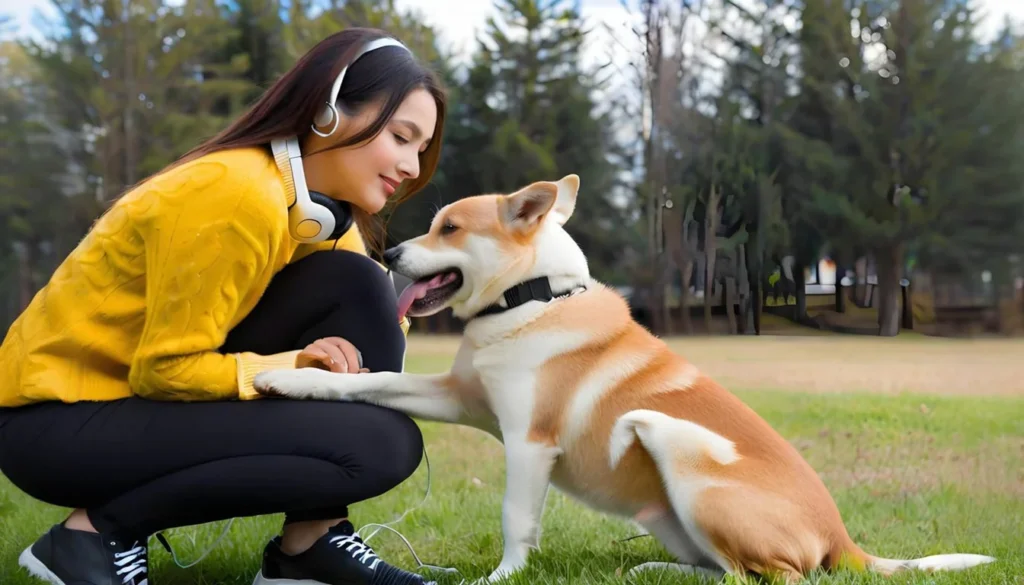
Puppies need something to chew on when their gums hurt. I keep a variety of chew toys, like frozen Kongs and rubber Nylabone chews. I also give them chilled wet washcloths.
I change the toys often to keep things interesting. I also give them edible chews, like bully sticks, but only when I'm watching to avoid choking. If a puppy nips, I quickly give them a toy instead. This teaches them what's okay to bite.
Structured play and impulse-control exercises
Play can teach self-control if it's structured. I use short fetch sessions and sit-and-wait drills. I also play tug-of-war with clear start and stop cues.
I add exercises like "leave it" and "wait" to teach impulse control. These exercises help puppies learn to stop mouthing in stressful moments.
I make these sessions short and do them often. Short, frequent drills are better than one long session. Activities like puzzle feeders and walks help lower excess energy, reducing mouthing.
Use positive reinforcement and praise
I reward puppies for calm behavior with treats and praise. Positive reinforcement works best when I praise them right away for choosing gentle play. I also give them quiet affection and feed them from my hand to teach them calm behavior is rewarded.
I avoid harsh corrections because they can scare or excite puppies. If mouthing gets too much, I pause play or walk away briefly. This teaches them that biting ends the fun.
| Action | How I do it | Why it works |
|---|---|---|
| Teething rotation | Alternate frozen Kongs, rubber chews, and chilled washcloths | Relieves pain, prevents boredom, redirects jaws to safe items |
| Supervised edible chews | Offer bully sticks or pig skin rolls while watching closely | Provides lasting chewing satisfaction; reduces opportunistic nips |
| Short impulse drills | Five-minute "sit, wait, leave it" sets three times daily | Builds self-control; transfers to calmer play and handling |
| Play rules | Tug with clear start/stop, stop play on hard bites | Teaches boundaries and that biting ends fun |
| Reward calm | Immediate treats, praise, or play for gentle behavior | Positive reinforcement for puppies makes quiet choices repeatable |
How to stop puppy from biting leash and other objects
I watch puppies learn the world with their mouths. They bite leashes, gates, and toys due to boredom, teething, and frustration. I plan to intervene before these habits start.
I have two simple items ready: a soft tug toy and a favorite chew. When I see a puppy about to bite, I offer the toy. This replaces the tempting object with something fun and allowed.
I teach a focus cue in short sessions. I call my dog’s name, say “look,” and reward them with a treat. This teaches them to choose me over the leash or a fence.
I train loose-leash walking by holding treats near my thigh. I walk at a steady pace and reward the puppy for staying by my side. If they tug the leash, I stop and give them a chew toy. This teaches them that toys, not the leash, are for play.
I manage arousal with scheduled breaks during walks or classes. If a puppy gets too excited, I move away for a minute. I offer the tug toy and let them shake off energy. I also tie a rope toy near a gate to prevent fence-biting.
When I'm not around, I keep tempting items out of reach. I confine the puppy with approved toys. Consistent prevention and quick redirection help them learn better habits.
How to stop my dog from biting when excited and jumping
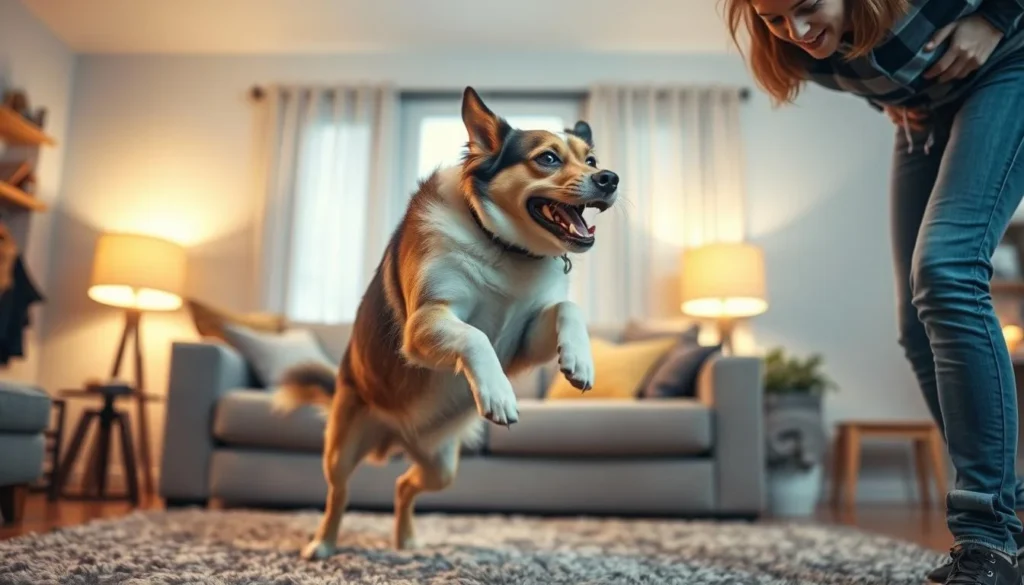
I often get asked how to stop my dog from biting when excited. I also get questions about stopping jumping and biting during greetings. Excitement mouthing often starts early and becomes learned. Adult dogs are heavier and harder to control, so early changes help the most.
Train an alternate greeting behavior.
I teach a reliable sit-stay or a "place" cue to replace impulsive lunges. Start with brief, low-distraction sessions and reward the dog for calm, mouth-closed approaches. Gradually increase realism by having someone ring the doorbell or walk toward the dog while I ask for the sit. Reward only the calm response. Repetition turns the alternate greeting behavior into a clear habit.
Manage excitement with pre-emptive exercise.
I plan a short play session or brisk walk before guests arrive. A tired dog has less excess energy that drives jumping and mouthing. Even ten to fifteen minutes of focused play or obedience work lowers arousal and makes training more effective.
Use consistent visitor protocols.
I instruct visitors to ignore jumping and not to offer attention until the dog is calm. No eye contact and no touching removes the reward for bad behavior. When the dog sits, visitors give a treat and brief praise. I use leashes and baby gates initially to control proximity and keep everyone safe.
Consistency matters most. If one person rewards jumping, the behavior stays. I make sure every household member and guest follows the same visitor protocols and reinforces the alternate greeting behavior. Small, steady steps create lasting change.
How to stop my dog from jumping and biting me
I help owners find simple ways to stop their dogs from biting and jumping. We start with small routines and clear rules for how dogs should greet people. I focus on short practice sessions to build calm habits.
Body handling and calm departures
I teach dogs to accept touch calmly by using gentle handling drills. I touch their paws, chest, and shoulders briefly, then reward them for staying calm. This makes them learn that calm behavior is rewarded.
For calm departures, I wait for my dog to be quiet before leaving. If they get excited, I ignore them until they calm down. This teaches them that calm behavior is what gets me to leave.
Reward alternative behaviors on approach
I teach dogs to use cues like sit, down, or touch when they approach. When they do this instead of jumping or mouthing, I reward them right away. This teaches them that polite behavior gets attention and treats.
I use tools like leashes and baby gates to prevent bad behavior during training. These tools keep everyone safe while I teach and reward good behavior.
| Problem | Practice | Reward |
|---|---|---|
| Excited jumping | Ask for sit or touch on approach; ignore if jumping | Small treat and praise when calm |
| Mouthing during handling | Short body handling sessions with gradual touch | Soft food reward or kibble for calm tolerance |
| Over-arousal at departures | Delay coat and keys until quiet; step away if excited | Return cue or treat predicting your comeback |
| Practice opportunities | Use leash, tether, or baby gate to manage proximity | Reward alternative behavior and repeat short drills |
How to stop puppy biting other dogs and rough play
I watch puppies learn fast when I pair them with the right playmates. Early play teaches them to control their bites through short yelps and pauses. To stop puppy biting, I choose vaccinated, confident puppies and adults that show gentle mouthing.
Socialization with appropriate playmates
I enroll puppies in well-run groups like AKC S.T.A.R. Puppy or supervised community classes. These settings expose pups to different play styles. I can also spot dogs that play too hard.
I pay close attention to body signals. If a playmate shows stiff posture, yelps, or chases, I step in. I keep sessions short and positive to teach limits without fear.
Intervene calmly and redirect to toys
I intervene with a calm voice and remove attention when play gets too rough. Yelling can make things worse, so I use a brief time-out or calm crate break instead.
I carry tug toys and soft plushes to redirect rough play. Offering a toy gives my puppy a safe outlet. It teaches me how to redirect rough play into acceptable mouthing.
| Situation | Sign to Watch | Immediate Action | Goal |
|---|---|---|---|
| Play gets loud and frantic | Stiff bodies, prolonged chasing | Calmly separate for 2–5 minutes | Lower arousal and reset behavior |
| One puppy yelps repeatedly | High-pitched cries, retreating | End session and reward calm | Teach bite inhibition and respect |
| Puppy targets another's neck or face | Focused mouthing, hard bites | Redirect to tug toy immediately | Channel mouthing to appropriate items |
| Puppy becomes overexcited after play | Persistent jumping, nipping at handlers | Brief removal of attention or calm crate | Reward calm return to play |
How to stop dog from biting anything: preventing destructive chewing
Many owners get upset when their dogs chew on shoes, books, or furniture. Dogs chew for many reasons like teething, boredom, or stress. I want to share steps to stop destructive chewing and how to keep your dog safe.
Dog-proofing and managing access
First, remove things that might tempt your dog. Keep shoes, clothes, and books away. Use closed hampers for laundry and secure trash to keep harmful items out.
When you can't watch your dog, put them in a safe room or crate. But, don't crate them for too long. Crate time should be short and positive, making the crate a cozy space.
Provide enrichment and mental stimulation
Give your dog sturdy chew toys and change toys often to keep them interested. Puzzle feeders and toys that dispense food help with boredom chewing.
Play vigorously or go for a walk before leaving. Regular exercise and playtime help reduce destructive behavior.
If you give edible chews, watch your dog closely. Separate pets to avoid competition. Rotate chew types to keep your dog interested in new things, not your shoes.
Address specific causes like separation anxiety
Notice when your dog chews the most. If it's when they're alone, it might be separation anxiety. You'll need a plan to help them feel better when you're away.
See your vet if your dog's anxiety is severe. They can help with a plan that includes short times away and enrichment to help your dog feel better when alone.
By combining dog-proofing, enrichment, exercise, and a plan for separation anxiety, you can stop destructive chewing for good.
Safe deterrents and what NOT to do
I want to share safe ways to stop dogs from mouthing things. Start with tools and tactics that teach dogs limits while keeping trust. Use them for at least two weeks so the dog learns the association.
I use a few humane deterrents that work well in play and at home. Bitter-taste sprays on skin or clothing reduce repeat mouthing. Chewing deterrents on household objects protect belongings and teach avoidance. Short, supervised taste exposure can create a gentle aversion when needed.
Effective, humane deterrents
- Bitter-taste sprays applied to hands, sleeves, or furniture to interrupt mouthing.
- Commercial chewing deterrents on shoes and cords to prevent destructive chewing.
- Quick, safe peppermint or spearmint breath spray used only as a last resort to break intense mouthing in the moment.
- Consistent redirection to approved chew toys and reward for calm behavior.
Practices to avoid
- Do not spank, slap, or physically punish; this can escalate fear and aggression.
- Avoid scolding after the fact; dogs do not link delayed punishment to the prior action.
- Never use duct tape to hold a dog’s mouth closed or tie damaged objects to the dog to shame it.
- Do not leave dogs crated for over six hours or rely on muzzles to prevent chewing as a long-term fix.
- Refrain from waving fingers or toes near a dog’s face; jerking them away can encourage grabbing.
If the usual sequence of yelping, time-outs, redirection, management, and deterrents does not reduce biting, I recommend getting expert help rather than escalating aversive tactics.
When to seek professional help
- Contact a Certified Applied Animal Behaviorist (CAAB), a Diplomate of the American College of Veterinary Behaviorists (Dip ACVB), or a Certified Professional Dog Trainer (CPDT) with aggression experience when bites persist.
- Bring videos and detailed records of incidents to the consultation so the professional can assess triggers and patterns.
- Work with a credentialed specialist to design a behavior plan that blends management, counter-conditioning, and safe deterrents.
Training plans and daily routines to maintain progress
I create a steady routine to keep progress steady and predictable. I set clear short goals to stay focused and make each day manageable. This simple plan reduces stress for both my dog and me, helping changes stick.
I suggest having multiple short daily sessions to teach calm behavior. These sessions last 5–15 minutes and focus on bite inhibition, impulse control, and more. They help my dog learn to walk on a loose leash and greet politely.
It's important that everyone in the home follows the same rules. Consistent responses to mouthing, time-outs, redirection, and rewards prevent mixed messages. This helps progress without slowing down.
I keep a simple log for record keeping for training. I note the date, time, trigger, action taken, and outcome. This log helps me see patterns and seek outside help if needed.
My plan gradually tightens rules. I start by addressing hard bites, then move to moderate contact, and finally any tooth contact. As calm behavior becomes the norm, I shorten time-outs and raise expectations.
Exercise and enrichment are key to stopping biting. I combine walks, puzzle toys, supervised playdates, and classes like AKC S.T.A.R. Puppy. These activities burn energy and teach my dog alternatives to mouthing.
I keep rotated toys and occasional refresher lessons after improvement. Ongoing short daily sessions and measurable training plans for biting prevent relapse. They keep good habits in place.
Conclusion
I want to make it clear that mouthing and biting are different. To stop a dog from biting, watch their actions closely. Teach them to control their bites with yelps and time-outs. Always guide them to chew on the right things.
Simple steps can help a dog learn not to bite. I use a few strategies to manage this. I control their environment and reduce stress. I also add fun activities to keep them busy.
For long-term success, stick to a daily routine. Short training sessions and rewards are important. These habits help keep your dog on track and prevent problems.
Know when to ask for help. If your dog's aggression gets worse, or if they have persistent issues, seek professional advice. A certified trainer or vet can help. With the right training and guidance, you can raise a calm and safe dog.