As a dog owner, I've felt the frustration of my dog's excitement or anxiety around other dogs. It's like their barking tugs at my heart. I often wonder how to stop my dog from barking at other dogs. Walking in the park can feel like a never-ending cycle of barking and trying to regain control.
If you're going through the same, you're not alone. Barking is natural, but it can disrupt our peace during walks. In this article, I'll share effective ways to stop dog barking at other dogs. We'll explore the reasons behind it and learn strategies to reduce it.
Key Takeaways
- Barking is a natural behavior but can become a challenge when it disrupts walks.
- Understanding the reasons behind barking is crucial for effective solutions.
- There are various techniques to stop barking at other dogs.
- Creating positive associations can significantly reduce barking.
- It's important to manage your dog's energy levels to prevent barking.
- Consulting professionals can provide additional support when needed.
Understanding Dog Barking Behavior
It's key for dog owners to understand why dogs bark. Barking is a main way dogs share their feelings and needs. Dogs bark for many reasons, like excitement or frustration. Knowing why they bark helps owners respond better and manage their pets.
Different Types of Barking
Dogs bark in different ways, each with its own message:
- Attention-seeking Barking: This is a high-pitched, persistent bark. It means the dog wants attention or to play.
- Excited Barking: This bark is happy and eager, often when playing or greeting someone.
- Warning Barking: A loud bark that warns of danger, like strangers or other animals.
- Frustration Barking: This bark happens when a dog is blocked from something or someone they want.
Why Dogs Bark at Other Dogs
It's also crucial to know why dogs bark at other dogs. They might bark from excitement, wanting to play, or feeling threatened. Watching how your dog acts can help you understand their feelings. This knowledge helps in training and managing their behavior around other dogs.
Identifying the Reason Behind the Barking
Understanding why my dog barks is key to solving the problem. I watch closely to figure out what's causing it. Different things can make my dog bark, and knowing this helps me find a solution.
Barking Due to Anxiety
Barking due to anxiety often comes from past traumas or not enough socialization. When my dog feels scared or unsure, barking is their way to show distress. It's important to spot these signs early to help them cope.
Barking as Attention-Seeking Behavior
My dog sometimes barks to get my attention. This happens when they realize barking gets a reaction from me. I try to respond in a way that's better for our communication.
Barking from Frustration or Boredom
Dogs need both physical and mental activities. If I don't provide these, they might bark out of frustration or boredom. Playing with them or training can help reduce this barking.
How to Stop Dog Barking at Other Dogs
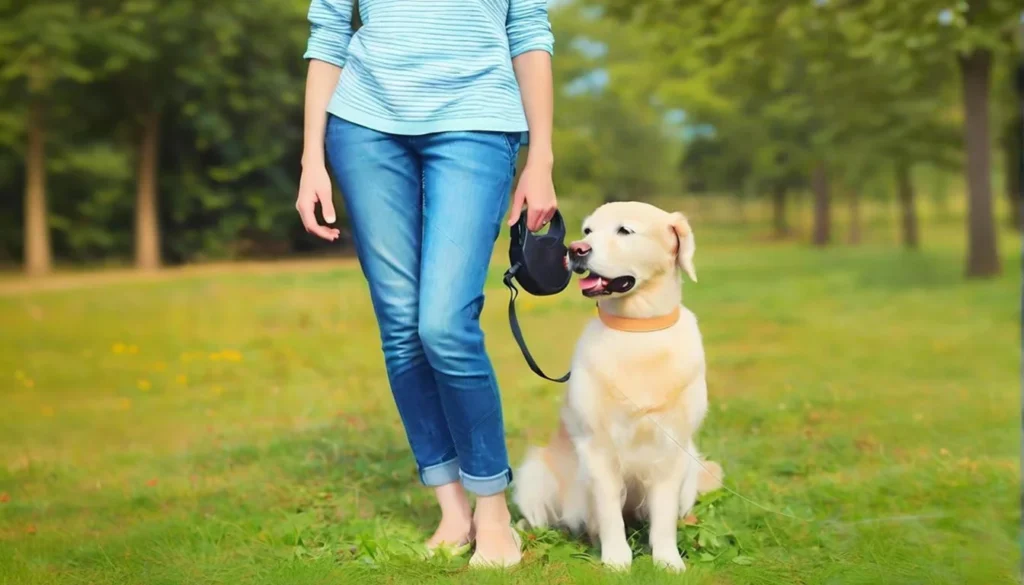
It's important for pet owners to find ways to stop their dogs from barking at other dogs. One effective method is to create positive associations with other dogs. This means rewarding your dog for staying calm instead of barking. It helps create a calm environment around other dogs, teaching them good behavior over time.
Creating Positive Associations
To create positive associations, I use treats when my dog meets other dogs without barking. Each time they stay quiet, I give them praise or a small snack. This teaches them that other dogs are a positive experience, making them feel comfortable and secure.
Training Techniques
Using effective training techniques is key to reducing barking. I often use toys or commands to redirect my dog's attention when they're distracted by other dogs. This helps them focus on other behaviors, making our walks more enjoyable.
Avoiding Punishment
A crucial part of my approach is avoiding punishment. Harsh corrections can make dogs anxious or fearful, which can make barking worse. By focusing on positive training, my dog learns without fear, making social encounters easier for both of us.
Using Positive Reinforcement Techniques
Training methods that use positive reinforcement can really help your dog's behavior. This method encourages good habits and builds trust. When my dog is quiet, I reward them with treats or praise.
This not only rewards quiet behavior but also makes my pet feel secure.
Rewarding Quiet Behavior
Every time my dog is calm and quiet, I give them rewards right away. This teaches them that being quiet is good. I use both verbal praise and treats to make this clear.
Over time, my dog learns that being quiet means getting rewards. This leads to less barking.
Teaching Alternative Behaviors
I also teach my dog new behaviors. Commands like “sit” or “stay” help them use their energy in a positive way. During training, my dog learns that there are better ways to interact than barking.
Adding these new behaviors to our routine helps reduce unwanted barking.
Preemptively Managing Dog Barking
Managing dog barking starts with planning ahead. Knowing how my dog feels helps me stop unwanted barking. Keeping them away from things that upset them makes them feel safe. This way, we can enjoy a quieter time together.
Monitoring Dog’s Emotional State
Watching my dog's feelings is key to managing barking. Signs of stress or excitement can show in different ways. Catching these signs early lets me stop barking before it starts.
If my dog looks stressed around other dogs, I distract them or calm them down. Knowing their emotions helps us both feel better.
The Importance of Distance
Keeping a safe distance from things that make my dog bark is important. It helps them feel less anxious and bark less. When we see things that might upset them, I make sure they're okay.
This careful distance lets them watch without feeling scared. It makes our walks more peaceful.
Techniques for Walking Your Dog
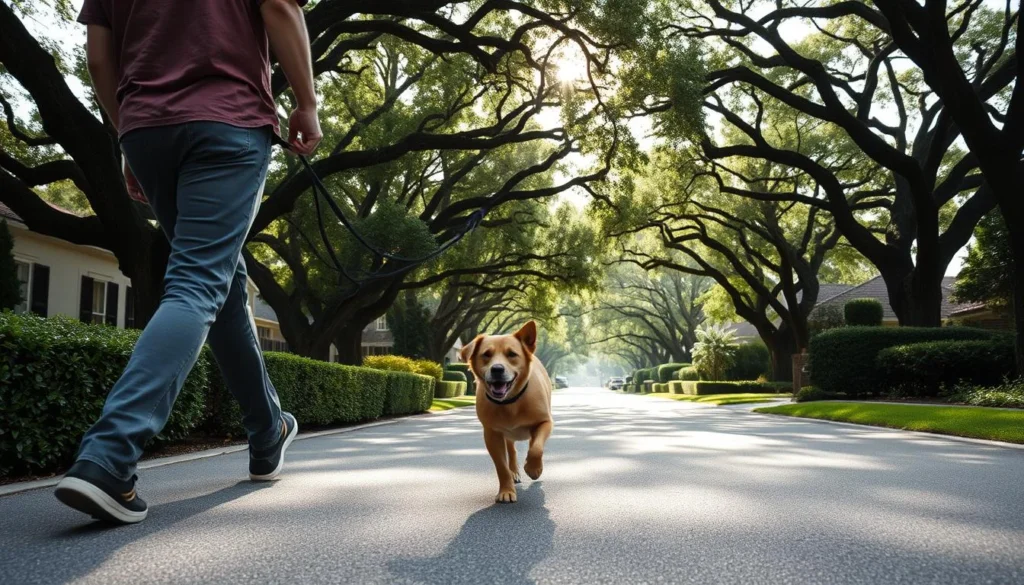
Walking my dog is rewarding when I use the right techniques. Changing direction near other dogs helps keep us calm. It gives my dog a chance to calm down.
Commands are key to a good walk. Saying “heel” or “let’s go” helps me steer my dog away from barking. This makes our walks more relaxed.
Changing Direction to Avoid Triggers
Seeing another dog ahead means I quickly change direction. This keeps my dog calm. It's crucial to adjust our path to keep things peaceful.
Using Commands Effectively
Commands make our walks better and teach obedience. Using them consistently rewards my dog. This keeps barking down and makes our walks enjoyable.
Engage-Disengage Training Game
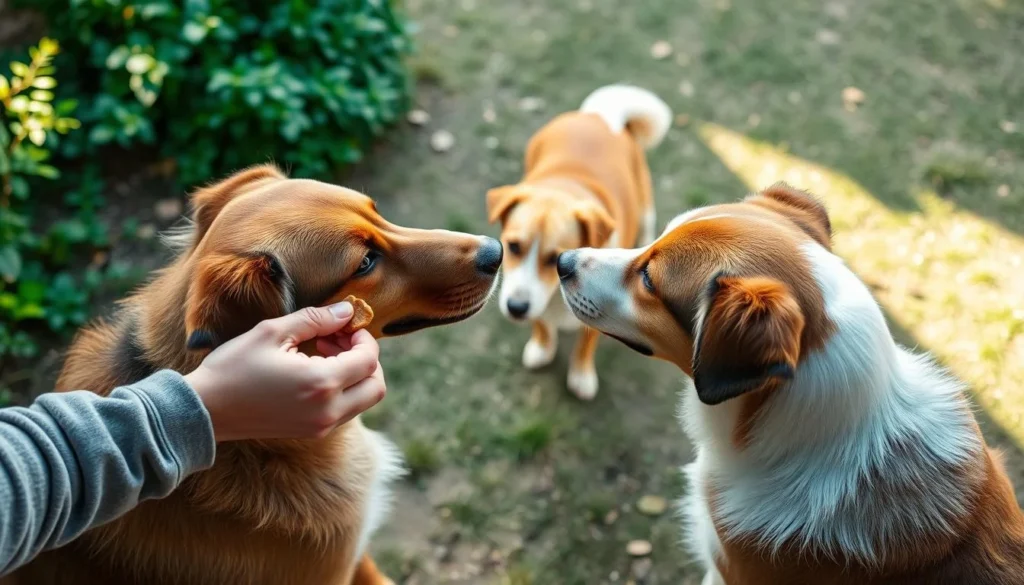
Managing my dog's barking at other dogs is easier with the engage-disengage training game. It lets my dog play with another dog safely. This helps them feel less anxious and more confident when they meet.
How to Implement the Game
I begin by picking a spot where my dog feels safe. When they're playing with another dog, I give them treats for staying calm. This makes them want to stay calm more often.
Then, I ask my dog to look at me again. I do this a few times, getting closer each time. This helps them learn to handle social situations better.
Benefits of Engaging with Other Dogs
Playing with other dogs has many benefits. It helps my dog learn how to act in different situations. It also teaches them important social skills.
Plus, it makes meeting new dogs less stressful. My dog becomes more confident and enjoys socializing more. This game is a big help in reducing barking and anxiety.
Counter Conditioning Methods
Understanding counter conditioning methods is key to changing my dog's reactions to other dogs. What is counter conditioning? It's a way to change how my dog feels about certain things. Instead of barking from fear or excitement, I can teach them to see other dogs as something good, like treats.
This method is useful in many situations.
What is Counter Conditioning?
Counter conditioning changes my dog's natural reactions. It helps them feel differently about triggers. The idea is to link a negative thing, like another dog, to something good, like treats.
This way, my dog learns to stay calm instead of getting scared or excited.
How to Apply Counter Conditioning
Using counter conditioning needs patience and consistency. I begin by picking a spot where my dog feels safe to watch another dog without barking. I give them treats and praise when they see another dog and stay calm.
As time goes on, I slowly move closer, making sure my dog stays calm. This helps them learn to be relaxed around other dogs.
Managing Energy Levels in Dogs
Keeping my dog's energy balanced is key to reducing barking. It's important to understand the role of exercise in keeping them calm. Regular walks and play help burn off energy and promote peace.
The Importance of Exercise
Daily exercise is crucial for managing my dog's energy. Activities like walking, running, or playing fetch help release built-up energy. Here's a suggested schedule:
- At least 30 minutes of walking each day
- Interactive play sessions with balls or frisbees
- Visits to dog parks for social interaction
Creative Forms of Enrichment
Adding creative enrichment keeps my dog's mind active. This helps reduce barking. Some great ideas include:
- Puzzle toys that require problem-solving
- Scent games that encourage my dog to search for treats
- Interactive feeding mats that make mealtime engaging
Combining physical and mental activities improves my dog's happiness. These strategies help create a calmer home for both of us.
Consulting with Professionals
When my dog's barking doesn't stop, I know it's time to get help. Trainers can give me the right strategies to fix these problems. They know a lot about dog training and can help me in a big way.
When to Seek Help from Trainers
I look for help when my dog's barking gets too much. If it's aggressive or shows my dog is really anxious, I know I need a pro. Trainers can make a plan that's just right for my dog.
How Behaviorists Can Assist
Behaviorists are great for deeper issues. They help figure out why my dog barks and how it affects their mind. They give me insights that help me solve the problem. With their help, I can live peacefully with my dog.
Common Mistakes to Avoid When Training
Training my dog is rewarding, but knowing common mistakes is key to success. One big mistake is when I respond to my dog's barking for attention. This can make them think barking is a good way to get what they want.
Another mistake is using aversives or anti-barking devices. Tools like shock collars or sprays don't solve the problem. They can make my dog more anxious and fearful, leading to more issues. Knowing these mistakes helps me train my dog better and more kindly.
Reinforcing Attention-Seeking Barking
When I give in to my dog's barking, I make it worse. It tells them to bark more. To fix this, I reward them for being quiet or calm.
Using Aversives and Anti-Barking Devices
Using aversives is a big mistake. Shock collars or harsh training can hurt more than help. They can make my dog anxious and break our trust. Positive reinforcement is a better way to train.
How to Train Dog Not to Bark
Training my dog not to bark is a journey with several effective methods. One key technique is using a 'quiet' command. This command tells my dog when it's time to stop barking. Teaching focus commands also helps, making it easier to handle barking when there are distractions.
Implementing a 'Quiet' Command
To start with the quiet command, I speak calmly and firmly. When my dog barks, I wait for silence before giving treats. This teaches him that being quiet is better than barking.
Being consistent with this method helps him learn. He sees that barking doesn't get him attention, but being quiet does.
Teaching Focus Commands
Along with the quiet command, I teach focus commands like “watch me.” This command helps me get my dog's attention away from barking triggers. Regular practice makes these commands essential for a peaceful home.
Using focus commands strengthens our bond. It also helps reduce unnecessary barking.
Conclusion
Stopping dog barking at other dogs requires understanding, consistent training, and the right techniques. I've learned that knowing why my dog barks is key. By using effective solutions, our walks become more enjoyable.
Positive reinforcement is a powerful tool to stop unwanted barking. Rewarding calmness and teaching new responses makes my dog feel secure. This reduces the need to bark. If problems continue, a professional trainer can offer personalized strategies to help.
Managing my dog's emotions and social interactions helps keep our outings peaceful. With patience and effort, we can make our walks more pleasant. By following these steps, I aim to have a harmonious relationship with my dog.