Welcoming a puppy into your life is like stepping into a world filled with joy and curiosity. However, that joy can quickly turn into concern when you find yourself on the receiving end of sharp little teeth. I remember the first few weeks with my new puppy, filled with laughter and love, yet punctuated by unexpected bites to my hands and feet.
If you've ever faced the challenge of how to stop a puppy from biting, rest assured that you’re not alone. Understanding these playful bites, whether they're aimed at your hands or nipping at your feet, is crucial for both you and your puppy's well-being. This article is packed with insights on how to stop a puppy from biting everything and techniques that helped me navigate this common issue.
Let's embark on this journey together, promoting a happy and safe environment for our furry friends.
Key Takeaways
- Understanding puppy biting behavior is key to addressing the issue.
- Teaching bite inhibition is essential for a safe and happy relationship.
- Common reasons for biting include teething and exploration.
- Positive reinforcement techniques can effectively curb biting behavior.
- Socialization plays a vital role in reducing nipping and biting.
Understanding Puppy Biting Behavior
Puppy biting is a natural part of their exploration of the world. It's how they learn about their surroundings. By mouthing objects and people, they grow socially and cognitively. But, if not managed, this playful behavior can turn into aggressive biting.
Many pet owners struggle with puppy biting. Knowing what makes a puppy bite is key to changing this behavior. Excitement, teething, and boredom are common reasons. By understanding these triggers, we can guide their behavior in a positive direction.
The Importance of Bite Inhibition
Bite inhibition is key in shaping a puppy's behavior. It's about a dog learning to control its bites. This skill is crucial for safe play with humans and other animals.
Teaching bite inhibition is essential. It lowers the risk of injuries during play. It also helps in learning gentle ways to interact.
What is Bite Inhibition?
Bite inhibition means a dog can control how hard it bites. Puppies often nip and play roughly at first. But, with socialization and positive feedback, they learn to use a soft mouth.
This knowledge helps prevent serious biting incidents later on.
Why Teach Bite Inhibition?
Teaching bite control is very important. It helps puppies understand human sensitivities. Gentle play improves their social skills and builds strong bonds with humans.
Using methods like yelping when bitten can teach this lesson well. With consistent training, puppies grow into well-behaved dogs. They can enjoy playtime without worrying about hurting themselves or others.
Common Reasons Puppies Bite
It's important for dog owners to know why puppies bite. Teething and playful biting are big reasons. Puppies also bite because they are naturally curious. Knowing this helps us deal with biting and make a better home for our puppies.
Teething and Playfulness
Puppies go through teething between three to six months old. Their gums hurt and itch, so they bite and chew. This includes hands and feet. Playful biting happens when they're exploring and having fun.
This behavior isn't mean-spirited. It's just a part of growing up for them.
Exploration and Investigation
Puppies love to explore and learn by mouthing things. This helps them understand their world and grow. Some people think this biting is aggressive, but it's really about curiosity.
| Reason | Description | Age Range |
|---|---|---|
| Teething | Puppies bite to relieve discomfort in their gums. | 3-6 months |
| Playful Biting | Puppies engage in playful biting during interactions. | All ages |
| Exploratory Behavior | Puppies use their mouths to explore and learn about their environment. | All ages |
How to Stop a Puppy from Biting
Stopping a puppy from biting needs a smart plan. It should mix good techniques and positive handling. It's key to always use methods that show good behavior and give them other ways to play and explore. My experience shows that a mix of teaching and encouragement works best.
Effective Techniques to Curb Biting
Using certain techniques can really help stop biting. Here are some good methods:
- Yelp when bitten to mimic the response of a fellow puppy.
- Walk away for a brief period to show that play stops when biting occurs.
- Offer chew toys as healthier alternatives for their chewing instinct.
The Role of Positive Reinforcement
Positive reinforcement is a strong tool in training. When your puppy acts gently, praise or treat them. This teaches them that not biting is good. Being consistent with these methods helps your puppy learn and behave better over time.
Teaching Your Puppy Gentle Play
Teaching your puppy to play gently is key to their happiness and well-being. Engaging in fun, safe play helps cut down on biting. By using certain techniques, you can help your puppy learn to play nicely with others.
Methods for Gentle Play
Structured games help your puppy understand play limits. I praise calm behavior and use soft touch to encourage good play. It's important to balance play with gentle restraint, so your puppy knows how to play without being too rough.
Utilizing Toys as Alternatives
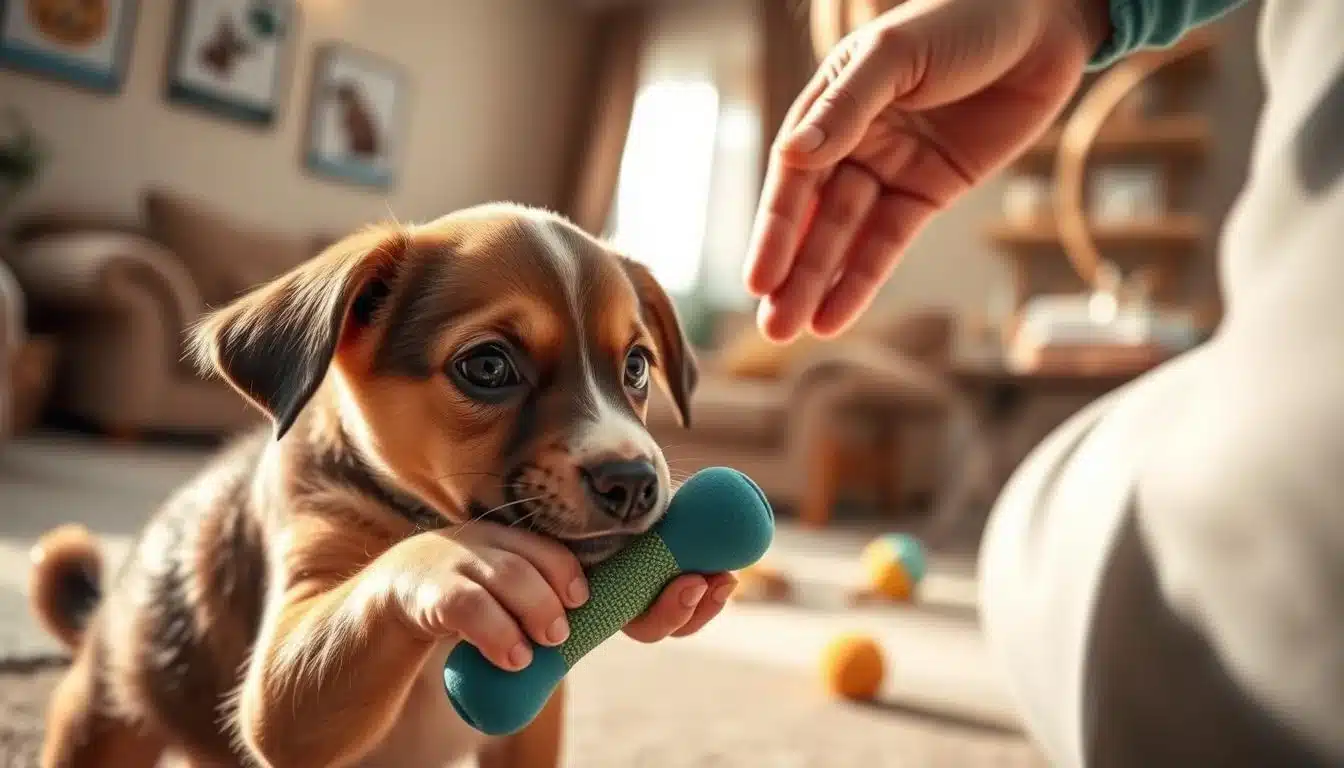
Switching to toys is a great way to redirect biting. I give my puppy soft chew toys that are safe for their age. These toys help satisfy their biting urge while teaching them to play softly. Whenever my puppy bites, I replace it with a toy to show play should be fun and gentle.
| Play Method | Description | Recommended Toys |
|---|---|---|
| Structured Games | Games that encourage gentle interactions and reinforce positive behaviors. | Soft balls, tug ropes |
| Redirecting Energy | Using toys to divert attention from biting to playing. | Cuddle toys, chew sticks |
| Positive Reinforcement | Praising gentle behavior during playtime to encourage the desired actions. | Interactive toys, plush toys |
Redirecting Biting Behavior
Redirecting a puppy's biting can really help. Using chew toys is a great way to stop them from biting hands. It also gives them a good place to chew.
Using Chew Toys
It's important to have chew toys ready during play. This way, I can easily switch from my hands to the toys. Puppies enjoy chewing on these toys because of their texture and taste.
Trying different shapes and materials keeps them interested. It also teaches them that these toys are for chewing, not hands.
Encouraging Non-Contact Play
Non-contact play is also key. Games like fetch or tug-of-war are great. They let my puppy use their energy without biting.
These games keep them thinking and active. By doing this, I help my puppy learn to use their energy in a good way.
Yelp Method and Time-Out Technique
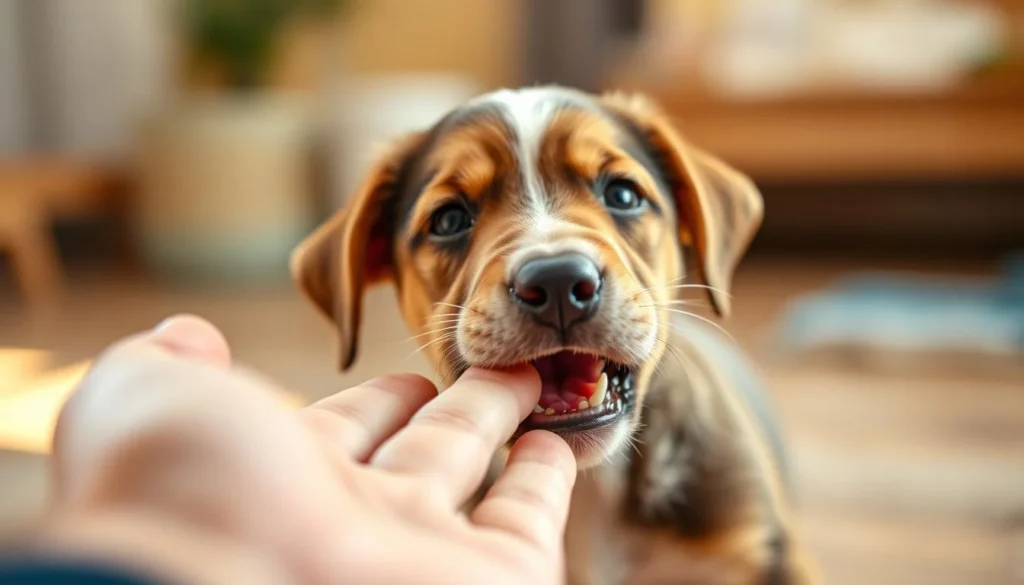
Managing puppy behavior can be tough, especially with biting. The Yelp technique helps you talk to your puppy. It makes it clear what's okay and what's not. When my puppy bites too hard, I make a high-pitched yelp sound. This tells my puppy that the bite was too hard.
How to Implement the Yelp Technique
To use the Yelp technique well, I follow these steps:
- Watch how my puppy plays and when they bite.
- When they bite too hard, I yelp loudly but gently.
- Then, I stop playing or step away to show I'm not playing anymore.
- After that, I encourage them to play gently again to teach them good behavior.
Timing for Time-Outs
At times, the Yelp technique isn't enough. Using time-outs for puppies can help a lot. Here's how I do it:
- Time-outs should be short, about 10-20 seconds, to be clear.
- If they keep biting, I do another time-out to show they must stop.
- When they start playing gently again, I reward them to teach them.
Understanding Play Biting vs. Aggressive Biting
Watching my puppy, it's key to tell play biting from aggressive biting. Playful bites are loose and wagging, with a relaxed puppy. Aggressive bites show tension, stiff body, or growling. Knowing these signs helps us understand our puppies better.
Signs of Playful Behavior
Playful biting in my puppy shows these signs:
- Wagging tail and relaxed ears.
- Light nibbles rather than firm bites.
- Frequent pauses during play to check in with me.
- Play bows indicating excitement and invitation.
Recognizing Aggression
Aggressive biting in my puppy looks like this:
- Stiff body posture and lowered head.
- Growling or barking to assert dominance.
- Quick, hard bites that cause pain or discomfort.
- Trapped tail or hackles raised along the back.
Socialization and Its Role
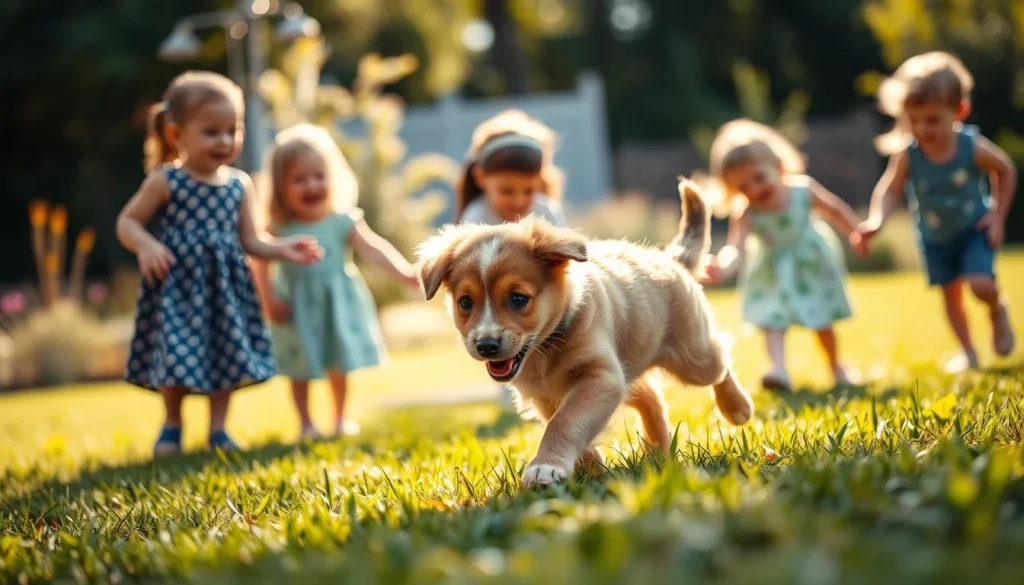
Puppy socialization is key to raising a happy dog. It means introducing puppies to many places, people, and other dogs. This helps them learn and grow into confident pets.
The Benefits of Puppy Socialization
There are many benefits to socializing puppies. They learn important skills like how to play nicely with others. This helps them be calm and friendly in new situations.
By being around different things, puppies learn to behave well. They become less likely to be aggressive. This makes them more relaxed and open to new things.
Enrolling in Puppy Classes
Puppy classes are very important. They offer a safe place for puppies to play and learn. I saw how these classes helped my puppy learn good habits.
Playing with other puppies in class helped my dog. It made them less likely to bite. Classes are great for both puppies and their owners, helping them get along well.
Preventive Measures to Minimize Biting
Learning how to stop biting is key for a healthy bond with my puppy. I've found that yelling or punishing doesn't help. Instead, creating a safe play area helps keep playtime positive and sets clear limits.
What Not to Do When a Puppy Bites
When my puppy bites, I stay calm. Yelling or hitting makes things worse. I teach them that being gentle is better through calm actions. Being consistent helps build trust.
Creating a Safe Play Environment
Keeping play areas safe is crucial. I take out dangers and give them toys that are good for play. Setting rules helps them learn what's okay and keeps play fun. Having calm spots helps them relax and channel their energy positively.
Using Taste Deterrents Effectively
Using taste deterrents can really help stop puppies from biting. Bitter sprays are a good choice for areas where puppies like to nip. These sprays taste bad to dogs, so they won't want to bite.
It's key to use these sprays often. This helps your puppy learn that the bitter taste means no biting. Regular use makes the lesson stick.
Watching how your puppy reacts to these sprays is crucial. Make sure the product is safe for your puppy. This way, you can train without worry.
Using deterrents in different situations helps cover all bases. This way, you can stop biting behavior everywhere.
| Deterrent Type | Effectiveness | Safety | Application Frequency |
|---|---|---|---|
| Bitter Apple Spray | High | Safe for most dogs | Every few hours initially |
| Bitter Lemon Spray | Moderate | Generally safe | As needed |
| Commercial Taste Deterrent | High | Check for specific dog safety | Apply daily until behavior improves |
Encouraging Consistent Behavior
Building good habits in my puppy is key to having a well-behaved friend. Being consistent and patient is crucial. Positive experiences help encourage good behavior, creating a stable learning space.
Knowing the right way to train can make a big difference. It helps build habits that last a lifetime.
Building Good Habits in Your Puppy
Setting routines is essential for good habits. I reward my puppy for calm behavior, which encourages positive actions. Using specific commands during playtime helps my puppy understand what's expected.
This approach not only controls biting but also strengthens our bond.
Positive Reinforcement Strategies
Positive reinforcement strategies are vital for training my puppy. I use treats, praise, and affection to encourage good behavior. When my puppy responds well, I reward them right away.
This immediate feedback helps them link good actions to pleasant results. It reinforces the behavior over time.
When to Seek Professional Help
Even with my best efforts, my puppy might still bite a lot. In such cases, getting professional help can really help. There are many experts out there who can guide my puppy in a way that fits their needs.
Types of Professional Trainers
Looking for help, I can find different types of trainers:
- Certified Professional Dog Trainers (CPDT) - These trainers have the skills and knowledge to train dogs.
- Professional Behaviorists - They deal with issues like aggression or fear, needing special approaches.
- Group Class Instructors - Great for social skills, these trainers teach puppies how to act around others.
Choosing the right trainer for my puppy's needs can improve their behavior and make training more enjoyable.
General Precautions to Note
Managing puppy biting is crucial for my puppy's growth. I avoid behaviors that might trigger biting. For instance, I don't wave my hands or feet, as it might encourage biting. Instead, I create a calm space for training.
Using the right training tips is key to stopping biting. I use positive reinforcement, rewarding good behavior and gently correcting bad ones. It's important to make my puppy feel safe. Fear-based training can make them aggressive, which I don't want.
Good overall care means building trust. This not only strengthens our bond but also makes training easier.
The Impact of Your Reaction on Puppy Behavior
My reactions to my puppy's biting are key in shaping their behavior. Every time they bite, how I respond matters. If I stay calm, it helps build trust and sets clear boundaries.
It's important to keep my responses controlled. If I get too upset, my puppy might get confused or anxious. This could make them bite more. Instead, I use positive training to teach them to play gently.
| Reaction Type | Impact on Puppy |
|---|---|
| Calm and Gentle | Builds trust and encourages learning |
| Aggressive or Frantic | Creates confusion and may escalate behavior |
| Positive Reinforcement | Promotes desired behavior and understanding |
| Ignoring the Behavior | Can lead to continuation if not addressed |
My reactions to biting greatly affect my puppy's learning and behavior. By being supportive, I help them learn the right behaviors.
Building a Strong Bond Through Play
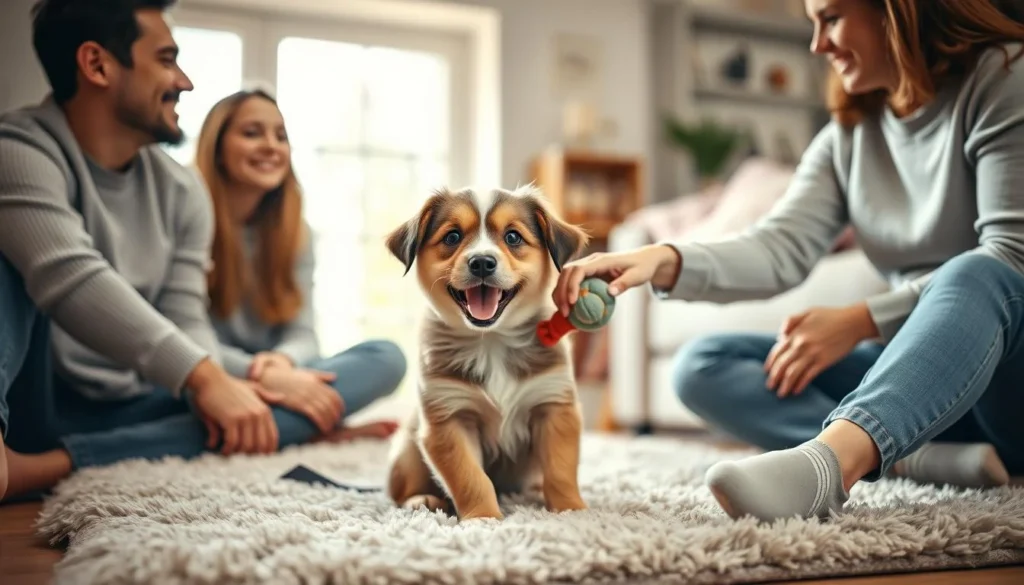
Playing with my puppy is a great way to bond. It encourages good behavior and builds trust. My puppy learns to play gently and we have fun together.
Games like fetch or tug-of-war are fun and good exercise. They make our time together exciting. My puppy learns and has fun, making training a positive experience.
Playing with my puppy also strengthens our emotional bond. It turns simple play into special moments. This play is key to a lasting friendship, making our time together even more meaningful.
Conclusion
Understanding puppy biting is key. It takes patience and knowledge. Teaching bite control and using positive methods are crucial steps.
Through my journey, I've learned that being consistent is important. It stops bad biting and strengthens our bond.
Every puppy is different, so I must tailor my approach. Gentle play and socialization help my puppy learn right from wrong. My goal is to raise a well-behaved, loving companion.
With the right approach, I can help my puppy grow. This will make our time together enjoyable and fulfilling. Building a strong bond helps us both live happily.