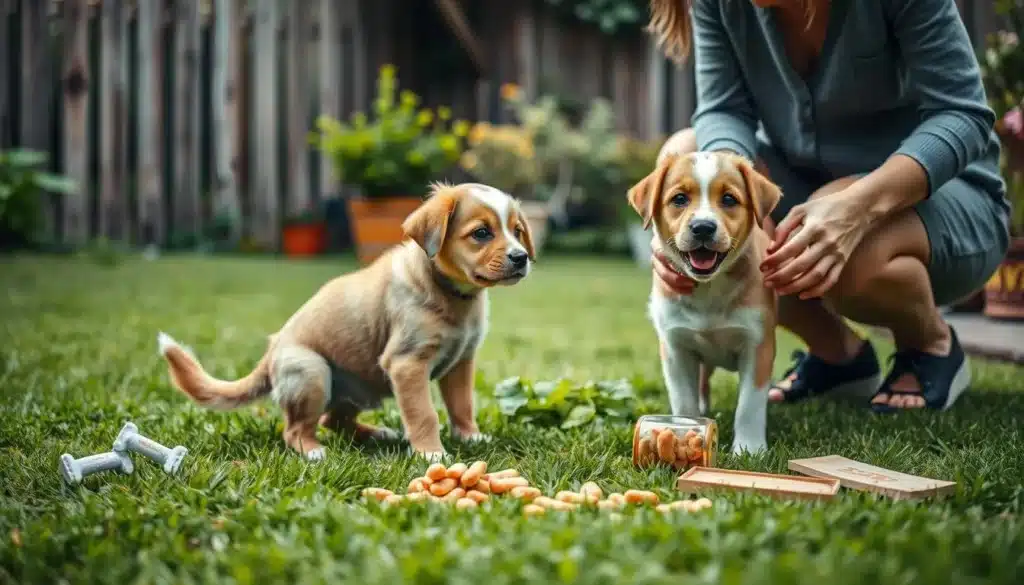
Welcoming a puppy into my home was a joyful moment. Their playful spirit and wagging tails bring endless delight. Yet, as I watched my little furry friend toss around a shoe, I realized their sharp teeth were a challenge.
Understanding that this behavior is natural is key. It's how they explore and learn about boundaries. In this article, I'll share effective solutions and tips that have helped me. These have strengthened my bond with my pup and curbed the unwanted nibbles and chews.
Key Takeaways
- Puppy biting and chewing is a natural behavior linked to exploration.
- Understanding bite inhibition is crucial for training.
- Safe chewing alternatives can help ease teething discomfort.
- Positive reinforcement strengthens the bond between you and your puppy.
- Puppy-proofing your environment is essential for their safety.
- Redirecting techniques and engaging play can minimize unwanted chewing.
Understanding Puppy Behavior
To tackle biting and chewing issues, it's key to know why puppies do these things. They chew and bite because they're curious and playful. It's how they learn about the world.
Chewing helps them discover different textures and learn what they can and can't do. This is both fun and challenging for me as a pet owner.
Knowing why puppies chew helps me stop them from chewing things they shouldn't. They might chew because they're teething or because they're bored. By understanding their reasons, I can teach them better ways to behave.
Setting limits on chewing isn't just about stopping them. It's about helping them explore safely and in a good way.
The Importance of Bite Inhibition
Understanding bite inhibition is key when teaching puppies not to chew too hard. It helps them learn self-control and how to interact with others. By controlling their bites, puppies develop good habits and better relationships with humans and other dogs.
Learning to Control Their Mouth
Effective discipline techniques are important for teaching bite inhibition. Puppies learn this from their littermates. If one puppy bites too hard, the other yelps, showing they're uncomfortable.
This teaches the hard-biting puppy to be gentler. By practicing this during play, I help my puppy understand boundaries. This way, they keep their natural biting instincts while being gentle.
The Role of Play in Teaching Bite Inhibition
Playtime is vital for teaching bite inhibition. I encourage gentle mouthing and discourage hard bites during play. Techniques like gently yelping or using time-outs when they bite too hard help them learn.
Using these methods consistently reinforces good behavior. It also strengthens the bond between my puppy and me.
Introducing Puppy Teething Remedies
Puppies go through big changes when they're teething. This can make them feel really uncomfortable. They start chewing a lot because they're looking for relief.
Understanding why my puppy chews when teething helps me find good solutions. By addressing this, I can make my puppy's teething time better. And I can also protect my home from damage.
Why Puppies Chew When Teething
Puppies start teething around three months old. This can last until they are six months old. As their baby teeth fall out and adult teeth come in, they might chew more.
Chewing helps them feel better and also works their jaw muscles. Knowing this helps me figure out how to stop my puppy from chewing on things he shouldn't.
Safe Chewing Alternatives for Teething Puppies
It's important to give my puppy safe things to chew on. There are many good options:
- Rubber chew toys that can be frozen to soothe sore gums
- Soft, textured toys designed specifically for teething
- Edible chews made from natural ingredients
Using these puppy teething remedies helps my puppy chew on the right things. This keeps my home safe and makes sure my puppy is comfortable while they're teething.

How to Stop a Puppy from Biting and Chewing
Learning how to stop my puppy biting is key for a peaceful home. Using playtime to teach what's right and wrong works for me. When they bite, I stop play and show them it's not okay.
Being consistent in training is vital. Every time, I say "no" firmly but calmly and give them a chew toy. This teaches them what to chew on instead.
Training takes time, especially for puppies. I make sure they have safe things to chew on during teething. With patience and consistent training, they learn not to bite and chew on things they shouldn't.
Establishing Puppy-proof Areas
Keeping my home safe from my puppy's chewing is key. I set up special areas where my puppy can play without getting into trouble. These spots meet my puppy's needs for fun and safety, helping to stop a puppy from chewing.
Creating Safe Spaces for Your Puppy
To make safe areas, I do a few things:
- I pick a room or area without dangers like electrical cords or breakable things.
- I use baby gates to keep my puppy out of other risky places.
- I add comfy bedding, toys, and safe chewables for my puppy.
- I watch the area closely to catch any chewing before it starts.
Benefits of Puppy-proofing Your Environment
Puppy-proofing has many advantages:
- It lowers the chance of my puppy chewing on things he shouldn't.
- It makes my puppy feel safe, which helps him relax and play.
- It makes training easier by removing distractions that cause bad behavior.
- It helps me find and fix any chewing problems in my home.
Utilizing Redirecting Techniques
Redirecting my puppy's behavior is key when they chew on things they shouldn't. I give them safe, fun toys to chew on instead. This keeps my shoes and furniture safe and teaches them what's okay to chew.
Offering Alternative Chew Toys
Choosing the right chew toys is crucial. I look for durable, stimulating options like rubber toys or natural bones. This variety keeps my puppy interested and teaches them good chewing habits.
Engaging in Playful Interaction
Playtime is a big part of redirecting my puppy's behavior. Games and activities teach them what's okay to chew on. It also strengthens our bond. Interactive toys make these lessons stick, guiding them to the right choices.

Positive Reinforcement Training for Puppies
Positive reinforcement training is a great way to teach puppies good habits. It rewards them for good actions, making them want to do it again. This method makes learning fun, so puppies love to join in.
Rewarding Good Behavior
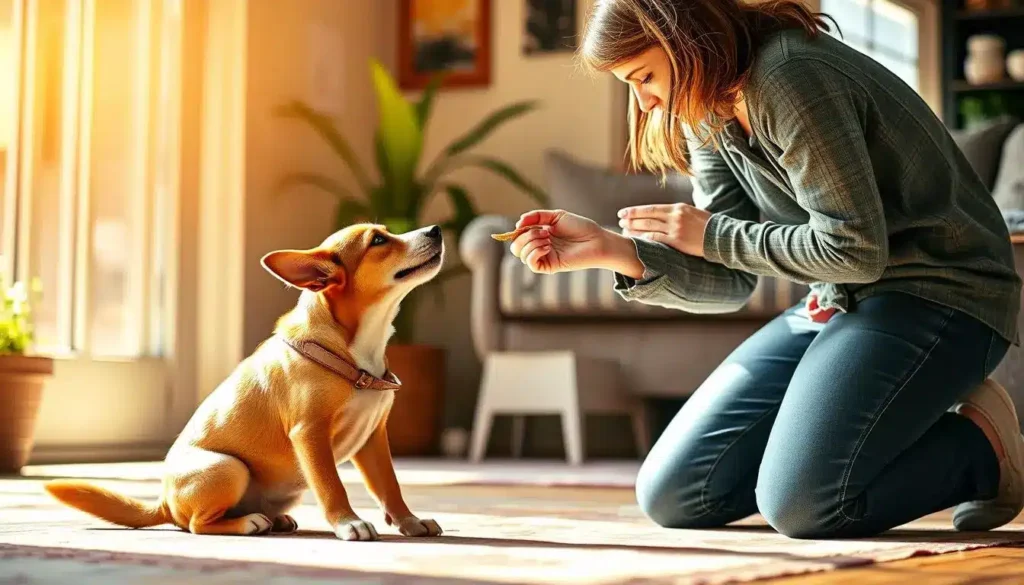
Using rewards is key in positive reinforcement training. Treats, praise, and playtime motivate puppies. When they follow commands or show good behavior, they get a treat.
This makes them more likely to do it again. For example, if my puppy sits when asked, a treat makes them excited to sit again.
Building a Stronger Bond through Training
Positive training strengthens the bond between a puppy and their owner. Training becomes a special time to bond. It builds trust and understanding.
This creates a happy and well-behaved puppy. It's a great way to make our relationship stronger.
Implementing Time-Out Procedures
Time-outs are a great way to stop unwanted behaviors in puppies. By taking my puppy away from a situation, I teach them that some actions, like biting too hard, mean playtime ends. Knowing how to use time-outs is a big part of training my puppy.
Understanding the Effectiveness of Time-Outs
Time-outs are a way to talk to my puppy. If they bite too hard, I put them in a time-out spot. This teaches them that their behavior is not okay.
While they're in time-out, I remind them of what I expect. This helps them learn that being too rough means no more fun.
When to Use Time-Out Techniques
It's important to know when to use time-outs. I use them when my puppy bites too much or acts too aggressively during play. This teaches them that their actions lead to a break from play.
Being consistent is key. I always follow through with time-outs when needed. This helps my puppy understand what behavior is right.
Preventing Puppy Chewing Habits
Understanding why my puppy chews is key to stopping bad habits. I need to find out what makes them chew. Things like boredom, anxiety, and teething are common reasons. Each one needs a special plan to fix.
Identifying Chewing Triggers
Knowing what makes my puppy chew helps me find ways to stop it. Some common reasons include:
- Boredom from not enough exercise or play
- Anxiety from being left alone or in new places
- Teething pain
- Curiosity about new things
Strategies to Keep Your Puppy Occupied
To fight these triggers, I've found some great ways to keep my puppy busy. These methods keep them distracted and happy:
- Give them fun chew toys, like KONGs with treats inside.
- Plan playtime to burn off energy.
- Try puzzle toys that challenge their mind.
- Use training as a chance to bond and strengthen our relationship.
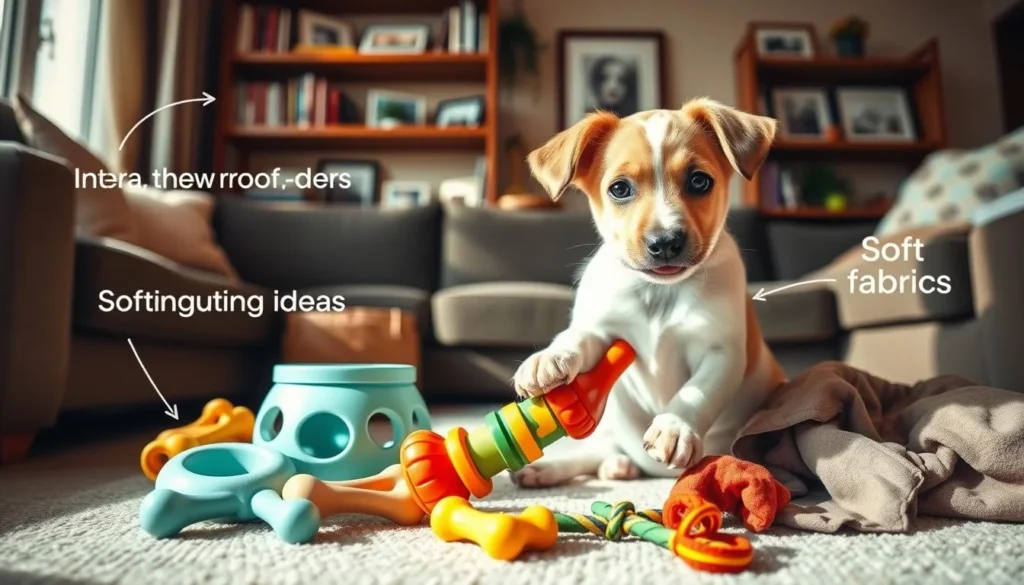
Using these strategies helps me prevent chewing problems. Keeping my puppy active and mentally sharp cuts down on chewing issues.
Choosing Appropriate Chew Toys
Finding the right chew toys for my puppy is key to managing their chewing. Not all chew toys are the same. Size, texture, and durability are crucial for my puppy's safety and happiness. I spend time looking at different chew toys to meet my puppy's changing needs.
Different Types of Chew Toys
I look at various materials and designs when picking chew toys. Here are some common ones I consider:
- Rubber toys: Durable and perfect for strong chewers.
- Soft plush toys: Good for gentle chewers and cuddling.
- Rawhide bones: Offer a natural chewing experience.
- Dental chews: Help keep teeth clean while satisfying chewing.
Rotating Toys to Maintain Interest
Switching up my puppy's toys keeps them excited and interested. This simple trick boosts my puppy training by offering new fun. I introduce a new toy every few days or swap out old ones. This prevents boredom and unwanted chewing.
Engaging toys not only entertain but also strengthen our bond during playtime.
Engaging in Socialization Activities
Socialization is key for my puppy's growth. Puppy classes give them a chance to meet other dogs and people. This helps them learn how to act in social situations and deal with biting issues.
These classes help my puppy grow emotionally and behaviorally. They learn to handle social settings better.
Benefits of Puppy Classes
Puppy classes have many benefits:
- Exposure to various environments
- Structured interaction leading to confidence
- Learning appropriate social cues and boundaries
- Reduced anxiety when meeting new dogs
These benefits help my puppy play well with others. It teaches them to respect their peers.
Encouraging Play with Other Dogs
Playtime with other dogs is crucial. It lets my puppy learn to control their bites through play. Seeing how others react when bitten teaches them limits.
Fun, interactive exercises in classes promote healthy play. They help build friendships among dogs.
Understanding Playful Mouthing vs. Aggression
Distinguishing between understanding playful mouthing and aggressive biting is key in puppy training. Puppies use their mouths to explore, which is normal play. It's important to know when their play turns into aggression.
Recognizing the difference helps me act quickly if needed. This knowledge is crucial for effective puppy discipline.
Recognizing the Signs of Normal Play
Puppies show excitement and friendship by mouthing. They use their mouths to play with people and other dogs. Here are signs of normal play:
- Soft and gentle biting
- Playful growls and barks
- Relaxed body language, such as wagging tails
- Taking turns in play and showing a willingness to engage
Seeing these signs means my puppy is playing well. It's important to see mouthing as a part of their growth.
How to Address Aggressive Biting Behaviors
If mouthing turns aggressive, it's vital to stay calm. Quickly addressing aggressive biting prevents more problems. Here's what to do:
- Stop the interaction immediately and turn away to send a clear message that aggression is unacceptable.
- Use a firm but gentle tone to say "no" or "ouch," reinforcing the behavior's inappropriateness.
- Provide an appropriate chew toy to redirect the biting behavior towards something acceptable.
- Reinforce positive behavior by rewarding calm interactions with praise or treats.
This method uses puppy discipline techniques to teach my puppy what's right. It keeps everyone safe.
Using Deterrents for Unwanted Chewing
Dealing with unwanted chewing can be tough during a puppy's early days. Using deterrents can help, along with other ways to stop puppy biting. Certain products can stop my puppy from chewing on things they shouldn't.
Common Aversives for Deterring Chewing
There are many aversives to stop unwanted chewing. Bitter sprays are a favorite because they taste bad and keep puppies away. Motion-activated devices that make sounds or air blasts also work well. They grab a puppy's attention and steer them away from bad objects.
Using Deterrents Effectively and Safely
To make deterrents work best, use them with positive rewards. When my puppy picks the right things to chew, I reward them. This links good choices to positive feelings. It's key to watch how my puppy reacts and adjust as needed to keep them safe and happy.
Seeking Professional Help When Needed
Training a puppy can be tough, and some behaviors are hard to handle alone. If my puppy keeps biting and chewing, it might be time to get help. Knowing when to ask for a dog trainer is key to teaching my puppy good habits.
When to Consult a Dog Trainer
It's important to know when to seek professional help for puppy training. If my training doesn't improve my puppy's behavior, or if they show aggression, it's time to get help. Early help can stop bad behaviors and help us understand each other better.
Finding Certified Professional Dog Trainers
Looking for certified dog trainers, I look for those with good credentials and a positive approach. Places like the Association of Professional Dog Trainers or my vet's recommendations are great resources. They help me find trainers who use kind methods, fitting my puppy's needs perfectly.
Conclusion
My journey to stop my puppy from biting and chewing has taught me patience and consistent effort. Understanding my puppy's instincts and behaviors helps me tackle their biting. Positive reinforcement and redirection are key to teaching them better habits.
Setting up a structured space and giving them the right chew toys has helped a lot. It makes them feel safe and helps us both. Every step in training is about getting closer and understanding each other better.
Learning how to stop my puppy from biting and chewing has been a journey of growth. With the right strategies, we're on the path to a well-behaved pet. It's all about understanding and patience, leading to success in our journey together.