Every pet owner has felt that shock when their dog barks at someone. It's embarrassing and makes us wonder what others think. I've learned that barking can lead to misunderstandings and change how people see our dogs.
As I worked on dog training, I saw how important it is to stop this behavior. It's not just for our comfort but for our dog's happiness and the happiness of those around us. In this article, I'll share practical ways to stop your dog from barking at people.
Key Takeaways
- Identifying your dog’s triggers for barking can lead to effective solutions.
- Understanding the reasons behind the barking helps in creating a tailored training approach.
- Consistency in training is crucial to help modify your dog's behavior.
- Positive reinforcement techniques can build your dog's confidence and curb unwanted barking.
- Creating a calm and safe environment positively impacts your dog's barking habits.
Understanding Why Dogs Bark
For dog owners, knowing why dogs bark is key to understanding their behavior. Each bark can mean something different, like excitement or fear. By understanding the reasons for dog barking, we can better communicate with our pets. This helps us meet their needs more effectively.
Common Reasons for Barking
Dogs bark for many reasons. Some common ones include:
- Alertness: Dogs bark to alert their owners to new sounds or people.
- Boredom: Without enough to do, dogs may bark to get attention.
- Anxiety: Dogs bark when they're scared or feel threatened, showing they're uncomfortable.
- Desire for Attention: Barking can be a way for dogs to get their owners' attention.
The Importance of Context in Barking
Understanding barking means looking at the situation. For example, a dog might bark at a stranger out of fear or to protect its territory. By paying attention to the context, we can understand their message better. This deeper dog communication strengthens our bond and helps us respond to their needs.
Identifying the Triggers for Your Dog's Barking
Understanding what makes your dog bark is key to managing it. Knowing what triggers barking helps solve the problem. Often, things around us can make our dogs bark. Also, how they interact with others can affect their reactions.
Environmental Factors
Our surroundings can make our dogs bark. Sounds like sirens or construction can scare them. Seeing other pets or animals can also make them bark.
It's important to figure out what in our environment causes stress or excitement for our dogs.
Social Interactions with Strangers
Meeting new people can really upset dogs. They might bark to protect themselves. Paying attention to how your dog acts can help you know how to react.
How to Stop a Dog from Barking at People
Stopping a dog from barking at people takes patience and smart strategies. We need to change how your dog sees strangers. Using positive reinforcement helps improve their behavior and reduces barking.
Changing Your Dog's Perception
Changing how your dog sees strangers is key. Make them see visitors as friendly. Regular, controlled exposure helps change their feelings towards new people.
Using Positive Reinforcement Techniques
Positive reinforcement is a great training method. Reward your dog with treats or praise when they stay calm around strangers. Regular, structured training sessions help your dog learn to control their barking. With practice, you'll see a big drop in barking.

Avoiding Negative Reinforcement
Many pet owners accidentally use negative reinforcement when dealing with a dog's barking. Getting angry or disciplining them can actually make things worse. Instead, it can make the dog think any attention is a good thing.
This misunderstanding leads to a cycle of barking. Dogs start to see their barking as a way to get a reaction from their owner. This means they keep barking, even if it's not what the owner wants.
Why Telling Your Dog Off Can Backfire
Some people think yelling at a dog will make them behave better. But, this can have the opposite effect. The dog sees the yelling as a way to get attention, which they find rewarding.
This makes barking a successful way to get interaction. It changes the dog's behavior in ways you might not want. It's important to find a better way to interact with your dog that doesn't encourage barking.
Understanding the Cycle of Barking and Attention
It's key to understand why dogs bark to get attention. They might bark to show excitement or to calm down. If they get a reaction, they'll keep barking.
This creates a cycle that's hard to break. Using positive reinforcement can help. It teaches dogs that there are better ways to get attention, without barking.
Effective Training Techniques
Using effective training methods can change your dog's behavior and improve how you communicate. Marker words and the right timing are key. Learning to use these can make training better for both you and your dog.
Marker Words and Their Impact
Marker words help you talk clearly to your dog. Saying "yes" or "good" tells them they did something right. This positive feedback makes them want to do it again.
The key is the quick feedback. It helps your dog connect their action with the reward.
The Role of Timing in Training
Timing is everything in training. Rewards should come right after the good behavior. For instance, if teaching your dog to sit, reward them immediately after they sit.
This timing helps your dog understand what action got them the reward. It makes training more effective.
In short, using marker words and timing well can greatly improve your dog's behavior. With regular practice, you'll see better results and a stronger bond with your dog.
Creating a Safe Space for Your Dog
Creating a safe space for dogs is key to reducing barking. By managing their environment, I make a calm haven. This approach helps both me and my dog feel better.
Managing Your Dog’s Environment
Managing the environment is crucial to stop barking. I give my dog a quiet area with no distractions. Using furniture or dividers helps make a peaceful spot.
When my dog feels safe, they bark less. They're less bothered by outside noises and movements.
Using Barriers to Reduce Visual Stimuli
Visual barriers make my dog's space even safer. Fences or screens block out sights that might make them bark. These barriers help my dog relax and enjoy a quiet space.
Socialization Techniques
Teaching your dog to feel at ease in different situations is key. By slowly introducing them to new things, you can lower their stress. This way, they can meet friendly people, see new places, hear various sounds, and move around without getting overwhelmed.
Exposing Your Dog to New Situations Gradually
Starting slow is essential for socializing your dog. I begin by taking them to places where they can watch others without feeling scared. This helps them avoid getting anxious or barking too much.
For example, I take my dog for walks when it's less busy. This lets them get used to new things at their own pace. As they become more comfortable, I gradually introduce more new experiences.
Building Confidence in Your Dog
Building your dog's confidence takes time and effort. Positive interactions help them see that new things are okay and fun. I give them treats or praise when they act well around others.
Regular play and training also boost their self-confidence. Socializing them early and often helps them become a happy, confident dog.
Calming Strategies for Anxious Dogs
Helping our furry friends manage anxiety often involves implementing effective calming strategies. I’ve learned that combining regular exercise for dogs with engaging mental stimulation can significantly reduce barking that arises from stress or nervousness.
The Effects of Exercise on Barking
Providing consistent exercise for dogs is crucial in mitigating energy levels that may contribute to anxious barking. A vigorous walk, a game of fetch, or even some time at the dog park can physically tire my dog. This allows them to relax more easily when faced with potential triggers.
Not only does physical activity help with anxiety, but it can also enhance overall health and behavior.
Utilizing Mental Stimulation Games
Incorporating mental stimulation games offers an additional layer of support for anxious dogs. These activities engage their minds and redirect focus away from what might stress them out. Puzzle toys, scent games, or basic training exercises can keep their brains busy.
By engaging in these stimulating activities, I can foster a more balanced and calm atmosphere for my dog.
Professional Help and Resources
Dealing with persistent barking can be tough. Knowing when to get professional help is key. A certified dog behaviorist can offer strategies that fit your dog's needs. They help figure out why your dog barks and create a plan to stop it.
When to Consult a Dog Behaviorist
Here are signs you might need a dog behaviorist:
- Barking doesn't stop, even after trying to train it.
- Your dog is aggressive or scared around people.
- Behavior problems get worse, hurting your dog's happiness.
Local Training Classes and Workshops
Local training classes and workshops are great. They offer support and a place to learn. Working with a trainer in a group setting helps your dog socialize and learn.
| Resource Type | Benefits | Considerations |
|---|---|---|
| Dog Behaviorist | Custom strategies and thorough assessments | Can be costly; availability may vary |
| Group Training Classes | Structured socialization and peer learning | May need to keep up with multiple dogs |
| Workshops | Focused skills development in specific areas | Often limited time; require prior knowledge |

Training with Family and Friends
Training with family and friends makes learning fun. Mock training scenarios teach dogs how to act in real life. Having visitors helps vary training and boosts good behavior through social interactions.
Creating Mock Scenarios for Training
Mock training scenarios are great for teaching dogs to handle barking triggers. They practice calm behavior and learn to respond positively. For example, a family member or friend can mimic a visitor knocking on the door.
This helps the dog get used to the situation in a safe way. As they practice, they learn to stay calm and get rewards for it.
Involving Visitors in the Training Process
Getting visitors involved is key to improving your dog's social skills. Hosting training sessions with guests helps your dog learn to stay quiet and calm. This practice teaches them to interact well with strangers.
Each successful session reduces barking and strengthens the bond between you and your dog.
Communicating with Neighbors
Talking openly with neighbors is key when training a dog. By sharing what I expect from the training, I build a supportive community. I let them know that changing behavior takes time, which helps them be patient and understanding.
Setting Expectations During the Training Period
It's important to set clear expectations for training. I explain how long it will take and what progress they can expect. This helps avoid frustration when my dog barks during training.
Being open about my training plan shows that I'm actively working on the problem. This helps neighbors understand what I'm doing.
Involving Neighbors in Positive Reinforcement
Getting neighbors involved in positive reinforcement helps a lot. I ask them to give treats or praise when they visit. This makes my dog's training better and strengthens our relationships.
This teamwork approach also makes my dog's training more effective. It helps reduce barking over time.
Maintaining Consistency in Training
Having a regular routine is key for good dog training. A steady training schedule helps dogs learn and avoid bad habits. Regular practice makes new commands and rules more familiar to them.
Importance of Regular Practice
Regular practice helps me talk to my dog better. Training often is important for getting the right behaviors. Without it, my dog might go back to old barking habits.
Creating a Training Schedule
Having a set training schedule keeps things focused. I make time each day for short training sessions. This keeps my dog interested and strengthens our bond.
My training schedule includes:
| Day | Training Focus | Duration |
|---|---|---|
| Monday | Basic Commands | 15 minutes |
| Tuesday | Focus on Barking Control | 20 minutes |
| Wednesday | Socialization Skills | 30 minutes |
| Thursday | Positive Reinforcement Techniques | 15 minutes |
| Friday | Review All Commands | 20 minutes |
| Saturday | Play and Interaction | 30 minutes |
| Sunday | Rest and Bonding | N/A |
By sticking to this schedule, I keep training consistent. Regular practice helps my dog grow and stay happy.
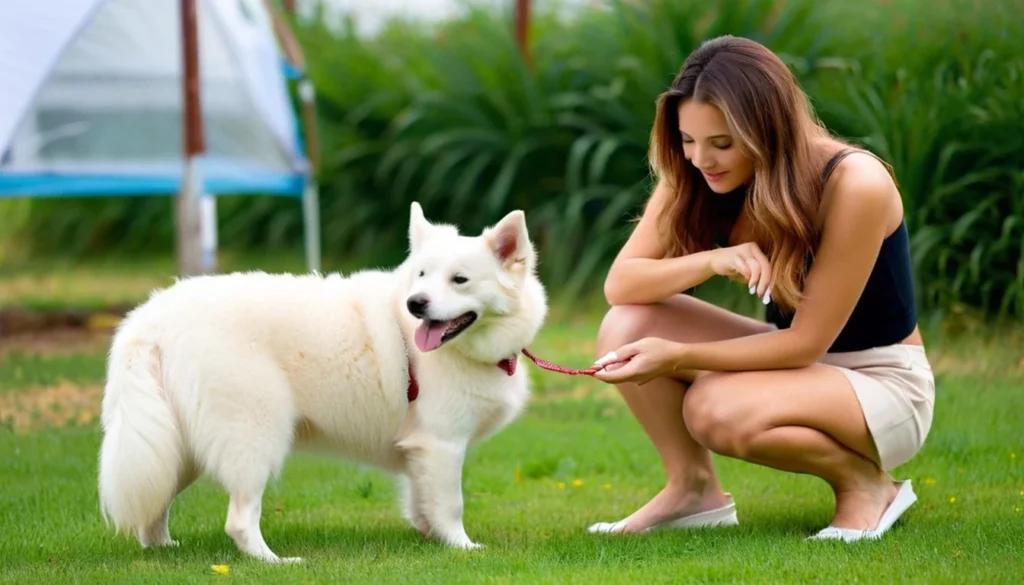
Understanding Dog Body Language
It's key for dog owners to know how to read their pet's body language. Barking can often mean a dog is feeling anxious or scared. By noticing the small signs our dogs show, we can help them feel better.
Recognizing Signs of Anxiety and Fear
Some body language clues show when a dog is anxious. A tucked tail, ears back, and stiff posture mean they're scared. Growling is another sign of distress. Spotting these signs early is very important.
Responding to Your Dog's Emotional State
When I see my dog showing signs of anxiety, I act fast. I make sure their space is calm and safe. Positive actions help them feel more secure and bark less. This way, our bond grows stronger.
Challenges and Setbacks in Training
Training a dog can be rewarding but also comes with challenges. Many owners, including myself, face hurdles that need resilience and determination. It's important to be patient in training, as progress takes time and effort.
Understanding that setbacks are part of the journey can help reduce frustration. This knowledge makes the process easier to handle.
Staying Patient During the Process
Maintaining patience is key to overcoming training challenges. I remind myself that every dog learns at their own pace. When progress is slow, it's important not to rush.
Instead, staying calm and focused during training creates a positive environment. This helps my dog learn better.
Adjusting Techniques if Problems Persist
Even with our best efforts, some techniques may not work. In these cases, it's crucial to assess and adjust our methods. Trying new strategies can lead to better results.
Being open to change ensures a productive training experience. It keeps me engaged and helps my dog learn more effectively.
The Role of Commands in Training
Teaching your dog commands is key to a peaceful home. These commands help your dog behave right. They are more than just words; they help control barking and guide your dog's actions.
Essential Commands to Facilitate Training
Some basic commands are very helpful:
- Leave it: This command keeps your dog away from distractions.
- Enough: It tells your dog to stop a behavior, like barking.
- Quiet: A direct command to stop barking.
Using these commands regularly makes them important to your dog. It helps them become part of your dog's daily life.
How Commands Help in Curbing Barking
Commands can greatly reduce barking. When you use them consistently, your dog learns what's expected. For example, saying "quiet" when they bark teaches them to be calm.
Using commands in training does more than just stop barking. It also makes your bond stronger. Effective communication through commands leads to a better life for both you and your dog.
| Command | Purpose | Benefits |
|---|---|---|
| Leave it | Preventing distractions | Increased focus during walks |
| Enough | Stopping unwanted behaviors | Better control over barking |
| Quiet | Reducing barking | Calm environment for everyone |
Conclusion
Stopping a dog's barking at people needs a thoughtful approach. It's important to understand why dogs bark. This helps in effective dog training.
Identifying triggers and using positive reinforcement are key. Managing social interactions also plays a big role. These steps help create a good learning environment.
Structured training sessions and consistent schedules are helpful. They help my dog feel more relaxed. Regular exercise and mental stimulation also improve behavior.
Patience and persistence are essential. By reinforcing positive behaviors and adjusting our strategies, we can create a calmer home. This makes our dogs feel more confident and secure.
With dedication and the right methods, a quieter home is achievable. It's all about understanding and addressing the reasons behind our dog's barking.