I remember the first time my Labrador found the mint tin I hid. His nose twitched, and he paused. It was like a light turned on. Starting scent training at home gave him a job and strengthened our bond.
Scent work isn't just for K‑9 teams. This guide shows how to start scent training your dog at home. We'll cover the basics, needed supplies, and how to keep things clean.
We'll explore how to train your dog from simple hand presentations to complex searches. We'll also play short scent games and increase the difficulty. Plus, we'll discuss joining classes or trials with organizations like AKC Scent Work.
My approach is friendly and practical. If you want to enrich your dog's mind and improve recall, I'll guide you. We'll start with simple steps you can do at home.
Key Takeaways
- Scent training is accessible to most pet owners and boosts mental stimulation and handler‑dog bonding.
- I’ll show step‑by‑step how to start scent training a dog at home with basic supplies and safety practices.
- Keep contamination control in mind: prep away from the search area, seal used materials, and dispose when needed.
- Progress from hand presentations to container and floor searches, adding games and difficulty gradually.
- When you’re ready, organized programs like AKC Scent Work and NACSW offer classes and trials to advance skills.
how to start scent training a dog
I started scent training with my Labrador because walks weren't enough. It turned fetch into a focused game. This change made our activity portable and low-impact, perfect for home, yard, or trips.
What I mean by scent training, scent work, and nosework
Scent training means teaching a dog to find a specific smell and alert you. It's like professional detection tasks but uses safe scents and rewards. This makes it fun and safe for dogs.
Nose work training is all about following smells and finding the source. It's not about obedience. The goal is for the dog to communicate clearly when they find the scent.
Why I chose scent training for my dog: benefits for mental stimulation and bond-building
I chose it for the mental challenge without needing long runs. It boosts confidence, sharpens focus, and calms anxious dogs.
When I rewarded them at the source, our bond grew stronger. Scent work became a team effort, building trust and teamwork with each session.
Who can do scent training: puppies, seniors, reactive or crate-rest dogs
Almost any dog can do it. Puppies learn focus, seniors get enrichment, and reactive dogs find calm. Even dogs on crate rest can enjoy it.
I used simple games and followed UK Sniffer Dogs and local clubs. This showed me scent work is for all breeds and fitness levels.
What is scent work and how it mirrors professional scent detection
I teach scent work to mimic the skills of professional detection teams. The goal is to find a specific odor and tell me where it is. I aim for searches that are clear, confident, and easy to reward.
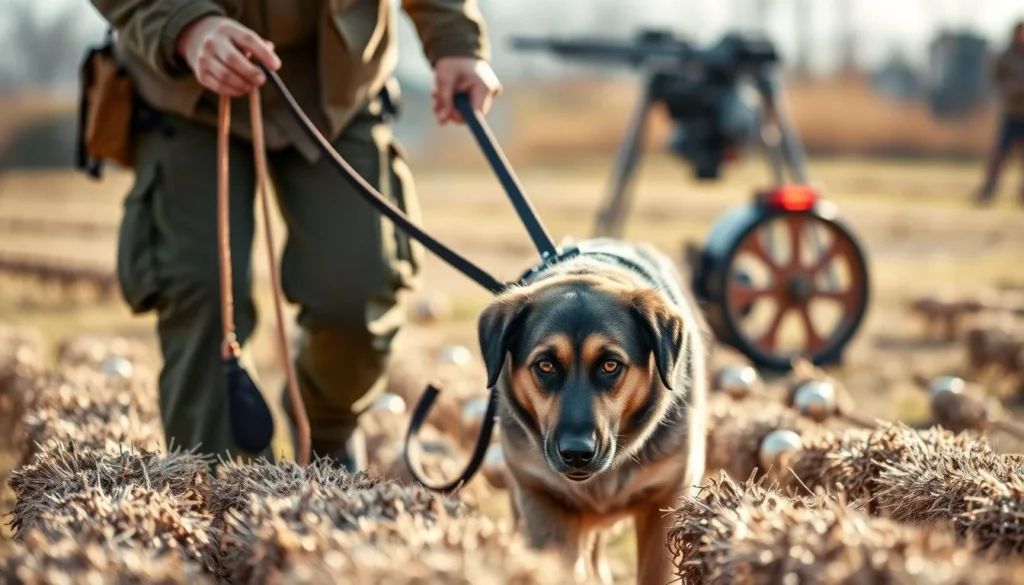
I differentiate recreational nosework from working detection by their focus. Recreational scent detection is about play and sport. Working detection dogs have legal responsibilities and follow strict guidelines for searches.
The sport uses a few target odors like birch, anise, and pine. In my practice, I use a single drop of essential oil on a cotton swab. This teaches my dog to find a scent amidst distractions.
When teaching scent training, I start with simple steps. Birch is a great scent for beginners. One drop helps my dog learn to find the scent among distractions.
Organized groups offer structure for more advanced training. AKC Scent Work and NACSW have tiered programs. Classes go from basic to advanced, adding challenges like different hides and distractions.
NACSW trains instructors in classroom protocols and trial rules. AKC and CKC offer titles and scoring systems for trials. I use these to plan my training from home to competition levels.
For practical planning, I watch demo videos and take foundation classes. I also practice short, frequent sessions. This keeps training fun and prepares me for structured levels.
Essential supplies for home scent training and where I get them
I keep my starter kit simple and affordable. This way, anyone can try scent work at home. I buy items at drugstores or on Amazon, making it easy for beginners to start.
Here's what I use, why it's important, and where I buy it. The right gear makes scent work fun and effective for short sessions.
Basic kit
- Birch essential oil — I get a small bottle from Amazon or Natural Grocers. Birch is a common training odor and easy to dose.
- Cotton swabs — I cut standard cotton swabs in half to stretch supplies. Drugstores stock these cheaply.
- Stainless tweezers — I use tweezers to avoid contaminating swabs. Pick a small pair from hardware stores or pet suppliers.
- Small glass jar with lid — I store prepared swabs in a sealed jar to preserve odor and prevent cross-contamination.
- Cleaned mint tin with drilled holes — A mint tin makes a simple scent vessel for first searches.
Optional items I recommend
- Lidded plastic containers with holes drilled in the lid for progressive hiding and harder searches.
- Clam hides for food-based trails when I run dog scent games that use food rewards outdoors.
- Commercial scent vessels and search boxes from dedicated nosework suppliers when I want sturdier gear.
- Multiple reward options — high-value treats like cooked chicken or cheese, food puzzle toys, tug toys, and fur toys for dogs that prefer play over food.
Safety and contamination control
- Disposable nitrile gloves — I put gloves on before dosing swabs and change them if they touch anything else.
- Two-drop rule — I add two drops of birch oil per swab in a room away from the training area so the scent stays novel.
- Tweezers and handling — I use tweezers to place swabs into vessels. After a session I seal used tweezers and gloves in a plastic bag.
- Storage and disposal — I keep prepared swabs in the glass jar. If a swab is drooled on or contaminated I discard it in outside trash.
With these basics and a few extras, I can run a variety of dog scent games and build toward formal dog scent training. Small investments and careful handling keep scent work for dogs safe, repeatable, and fun.
Preparing the odor and scent vessel safely
I prepare scents in a small, closed bathroom away from the training area. This keeps my dog from picking up stray clues. It's important for teaching scent training and showing others how to do it.
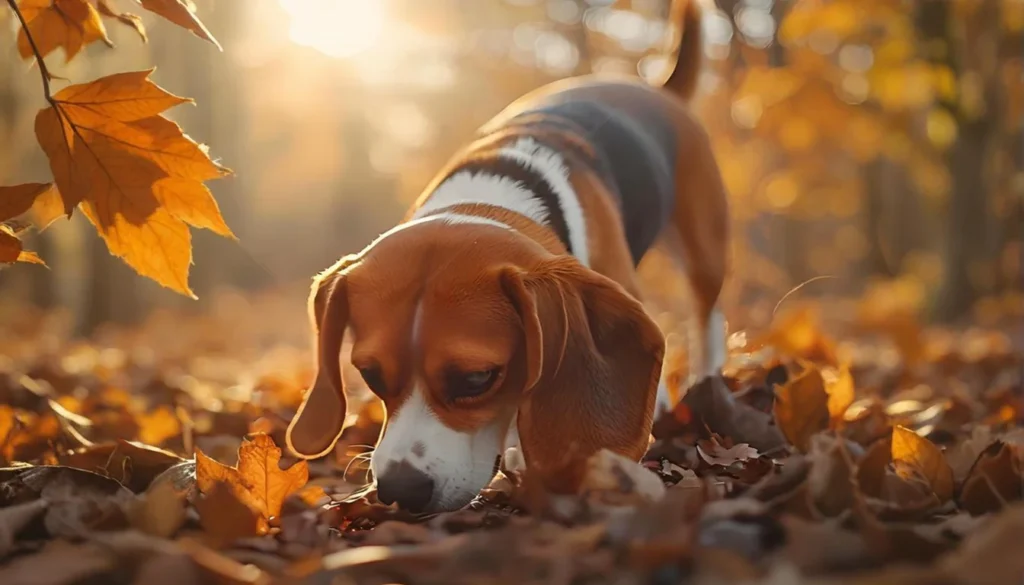
I wear disposable gloves and use tweezers to handle each cotton swab. I add two drops of birch essential oil to every swab. Then, I put them in a small glass jar with a tight lid and store it away from the training room. This method is safe and prevents contamination.
I seal used tweezers in a plastic bag after each session. This stops scent transfer. When moving between prep and practice, I change gloves and dispose of them by turning them inside out and dropping them in an outdoor bin.
I only reuse swabs if they are clean and free of food, soil, or drool. If a swab is contaminated, I throw it away in a sealed bag. This keeps the scent work reliable and prevents confusion for my dog.
I keep scent prep away from the training space. I also change where I prepare and store materials. This keeps the search area new and interesting. Novel odors are key when teaching others and practicing with my dog.
Introducing my dog to the target scent
I start with a calm demo to show my dog it's a smell game. I keep the first sessions short, under five minutes. My goal is for the dog to connect the smell with a reward at the source.
I use the hand presentation method to begin. I hold the scented tin in one hand and a treat in the other, about a foot apart. When my dog looks at the tin instead of the treat, I say "yes" or click. I give the treat near the tin so the dog learns to find the scent, not me.
I switch the tin between hands to avoid bias. I use gloves or tweezers to handle the tin, keeping human scent out. I keep my body still to avoid giving away the answer.
Before moving on, I check if my dog makes quick, consistent choices. I look for three correct choices in a row, within seconds. This shows the dog knows the scent and expects a reward there.
It's important to avoid mistakes like giving cues or feeding away from the tin. I vary the tin's placement and keep rewards near the source. This makes the training honest and effective.
Using these early successes, I build my dog's confidence. This method is the start of teaching your dog to use their sense of smell. It shows how to train your dog in a clear, easy way.
Teaching my dog to locate the scent in a container and on the floor
I start each session with a short warm-up to get my dog focused. My goal is to help them go from sniffing a tin in my hand to finding a hidden container on the floor. I use small steps and consistency to help them learn.
First, I hold the tin until my dog can find the scent. I present the tin, mark their first sign, and reward them. This makes it clear and builds a strong foundation for scent training.
Then, I move to a lidded box with small holes. I hold the box and repeat the process. This step helps them learn to work with containers, a key part of scent training.
Once they're good with the box in my hand, I place it on the floor. I stand still, cue them to search, and reward them when they find it. This teaches them to search on the floor and understand the scent better.
After they're comfortable with the box on the floor, I hide it in another room. I bring them in and let them search. I make it harder by changing rooms and where I hide the box. Always rewarding them at the source keeps their behavior reliable.
To teach a clear sign, I use one action like sitting or pawing. I reward them for the first sign of scent and then at the box. This consistent approach helps them learn to indicate clearly.
I keep training sessions short and fun. I change the rewards to keep them motivated and avoid getting bored. These small steps help them learn scent training effectively.
| Stage | Handler Action | Dog Target Behavior | Reward Location |
|---|---|---|---|
| Tin in hand | Present tin, mark first clear sign | Initial recognition (nose touch or stare) | At the tin |
| Box in hand | Hold lidded container with holes, repeat presentation | Confident identification with container | At the container |
| Box on floor | Place between feet, release dog to search | Approach and indicate on floor | At the container |
| Hidden in room | Hide box while dog waits outside, then release to search | Locate hidden source and indicate | At the container |
Simple scent games to build motivation and scenting skills
I use short, playful exercises to build my dog's confidence and keep scent work fun. These games teach search strategy and reward clear finds without overwhelming my pup. I mix dog scent games into daily walks and quiet indoor moments to reinforce interest.
I start with a drag-and-hide trail to show my dog how to follow a scent. I drag a high-value treat like ham, cheese, or chicken along the ground and tuck the prize into a Clam or other container. I keep the dog on a lead at the start so I can guide them toward the trail and reward them with the found item or a quick tug session.
Drag-and-hide food or toy trail
The trail teaches tracking and gives a clear cause-and-effect: follow the scent, find the reward. I vary trail length and surface to increase challenge. Short, obvious drags work best at first, then I make them more subtle as my dog learns.
Using different motivators for non-food-driven dogs
For dogs not motivated by food I use sheepskin or rabbit-fur toys and strong tug toys. UK Sniffer Dogs recommends offering multiple motivators so you discover what your dog values most. When I find my dog’s favorite item, I use it as the search target to build strong drive during scent work for dogs.
Short, frequent sessions
I keep sessions brief: two to five minutes several times a day. Short bursts preserve novelty and prevent mental fatigue. Small, repeated wins make training your dog's sense of smell a steady, positive habit.
I rotate game types and rewards, mixing quick indoor drills with backyard trails. That variety keeps my dog engaged and helps me practice how to do scent training with your dog in many real-world contexts.
When my dog succeeds, I mark the find with praise and a full reward. These small, consistent steps form the backbone of effective scent work for dogs and make longer searches easier later on.
Progressing beyond the basics: increasing difficulty and variety
I started making searches harder once my dog was good indoors. I moved from carpeted rooms to tile floors. Then, I tried the backyard, walks in the woods, and car rides. This variety helped my dog learn to find the scent in different places.
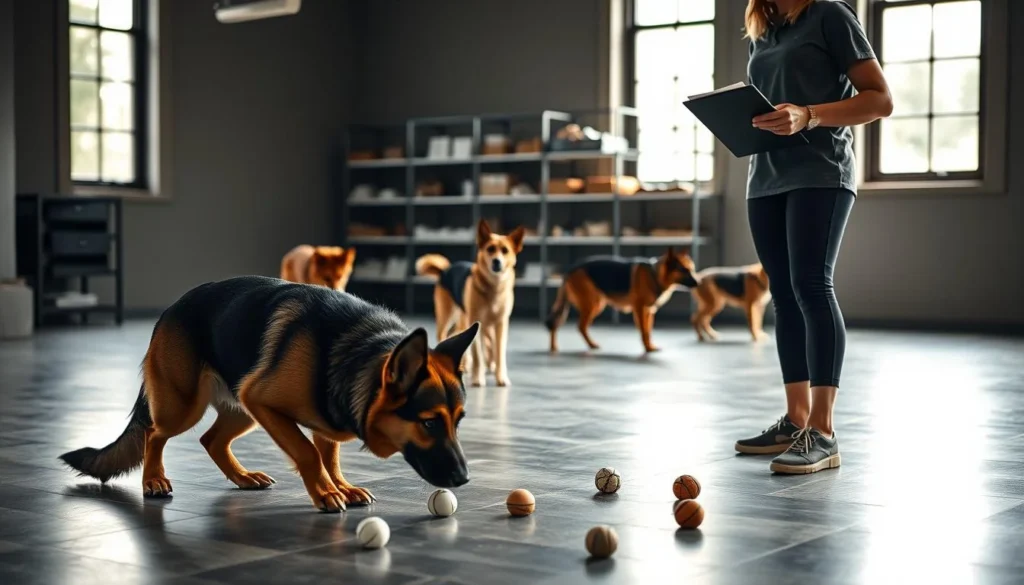
Changing search surfaces and environments: garden, woods, car, indoor rooms
Different places and weather affect how scents move. I trained on grass, leaves, concrete, and upholstery. This taught my dog to follow the scent on different surfaces. Short sessions on new surfaces kept my dog excited and avoided getting tired.
Introducing containers, heights, and distraction levels
I introduced different containers like plastic boxes, luggage, and metal tins. I also raised hides to shelves and furniture. I started with small distractions like toys or a person nearby. Then, I made it harder as my dog got better.
Working towards organized classes or trials if I want to compete
To compete, I studied the rules of AKC, NACSW, UKC, and CKC. I focused on recall, steady down-stays, and calm handling. Watching demo runs helped me understand what to expect in trials. I thought about taking a fundamentals course or getting a Certified Nose Work Instructor to improve before entering a competition.
I set goals early: either casual scent work for dogs or full competition. This choice guided my time, budget, and training plan. My steady progress made training fun and built a strong foundation for higher-level scent detection training for dogs.
How scentwork helps behavior, focus, and recall
I use scent work for dogs to give my dog a clear job. This job helps them channel their energy into calm, focused behavior. Short searches help shift their arousal into focused sniffing.
This often reduces leash reactivity in breeds like German Shepherds. It replaces anxious scanning with a task.
When starting scent training, I begin with tiny, successful wins. These wins teach my dog that working with me is the most rewarding. Over time, they learn to prefer checking in with me over distractions.
Using scent detection training before a walk helps too. A brief search primes their attention and lowers over-excitement. Recall improves because the handler becomes the keeper of the game and rewards.
I tailor sessions for dogs with limited mobility or those on crate rest. Training their sense of smell provides low-impact enrichment. It tires their brain, leading to better rest and fewer behavior problems without physical strain.
For reactive dogs, I keep searches predictable and rewarding. Gradual increases in difficulty build confidence. I avoid overwhelming scents or environments until they show reliable focus.
Short, frequent sessions work best for me. They maintain novelty and keep training positive. Scent detection training becomes part of daily routine, improving overall behavior without long exercise sessions.
I recommend tracking progress in small steps. Note successful finds, focus length, and walk behavior after searches. This helps me adjust training for each dog's needs and keep it effective and enjoyable.
Finding instruction and community to accelerate learning
I started my scent training by looking for classes and a supportive group. Group lessons helped me learn faster, and mentors guided me to avoid mistakes. Finding the right instruction makes starting scent training fun and clear.
Local and national organizations
I first looked at what AKC Scent Work and NACSW offered. The Canadian Kennel Club, United Kennel Club, and United States Canine Scent Sports have events and titles to aim for. Sporting Detection Dogs Association and C-WAGS offer different styles and venues. These groups provide classes, trials, and resources to help with nose work training for dogs.
When to take a class or hire a certified instructor
I hired a CNWI for structured learning and competition plans. An instructor helped me improve my dog's reliability, recall, and down-stays. They also taught me to spot and correct subtle cues and adjust the difficulty level for my dog.
Online resources and community support
I used demo videos from AKC Scent Work and CKC to learn trial-style searches. Free mini-courses from UK Sniffer Dogs helped me understand technique better. Facebook scentwork groups and forums offered real-time help and encouragement. Following experienced instructors on social media kept my training fresh and effective.
I balanced class time with online practice to keep learning steady. The support from the community and formal guidance boosted my confidence in dog scent training. It also deepened my bond with my dog.
Conclusion
I showed you how to start scent training a dog. First, get basic supplies like birch oil and tweezers. Then, prepare the scent safely.
Start by introducing the scent with hand presentations. Reward your dog at the source. Next, move to container work and floor searches. These steps are key to scent training.
Dog scent training offers many benefits. It keeps their minds sharp and improves behavior. It's great for all dogs, from puppies to seniors.
Keep training sessions short and fun. This keeps your dog motivated and avoids overwork. Scent tracking training is easy to start.
For next steps, control contamination and reward your dog at the source. Consider local classes or a certified nosework instructor. Use resources from AKC, NACSW, and CKC for help.
Most importantly, make training fun. Scent work should be a highlight of your dog's day.