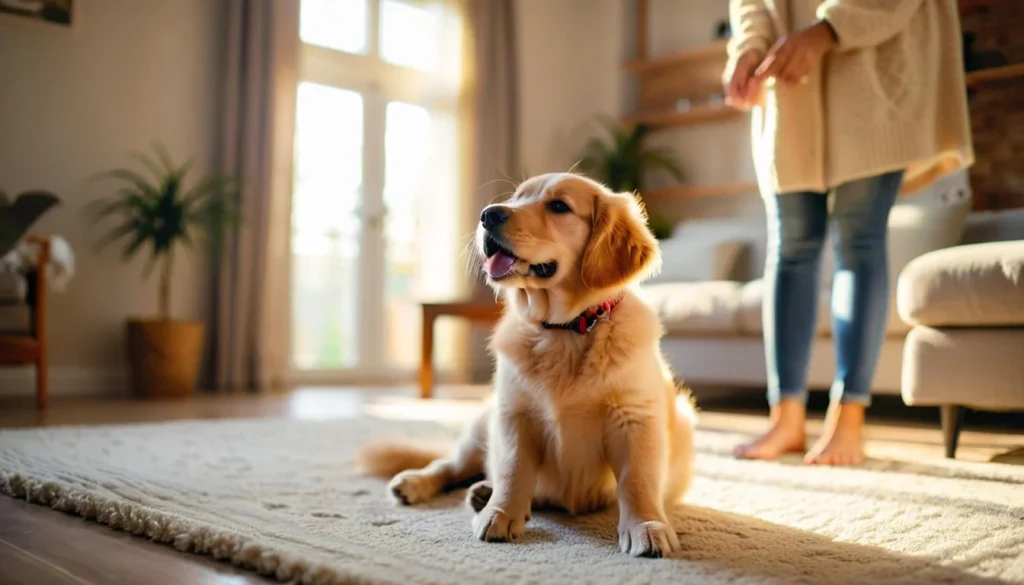
I remember the first morning with my Labrador mix. Paws on my shoes, big sleepy eyes, and a puddle on the kitchen rug. It taught me fast that potty training is a big promise to your dog and home. With a plan, you can turn messy moments into calm routines.
I found that potty training works with repetition, positive feedback, and a schedule. Research and experience show gentle consistency is key. Using a simple cue like “potty” and rewarding right after helps a lot. This helped me move from accidents to almost full control in a few months.
In this guide, we'll cover how to potty train puppies quickly and fast. We'll talk about feeding schedules, timed outings, crate strategies, and how to handle setbacks. This way, your home stays clean and your puppy learns with confidence.
Key Takeaways
- Start planning before your puppy arrives to improve success with puppy housetraining.
- Use repetition, consistent cues, and immediate rewards to teach desired behavior.
- Frequent outdoor trips and a set potty spot speed up housebreaking puppies.
- Stay patient and calm—punishment slows learning and damages trust.
- With consistency, most puppies can be nearly house trained within a few months.
Why potty training is crucial for a happy home
Housetraining is a key skill for puppies to learn. It helps create a calm and predictable home. I tell new owners that starting early is essential for better behavior and stronger bonds.
Benefits for your puppy’s behavior and health
Good toileting habits reduce anxiety and confusion in young dogs. Positive reinforcement during training improves behavior. It also supports health by keeping feeding and toileting times regular.
Benefits for your household cleanliness and routine
Consistent training reduces accidents and the need for constant cleanup. A clear plan keeps floors clean and routines smooth. Family members can follow the same steps, keeping the house orderly.
How early training sets the foundation for obedience and socialization
Early success with simple cues teaches important skills. It helps with leash manners and public outings. Puppies trained early adapt better to new situations.
How to create a consistent potty training schedule
I started a simple routine with my Labrador the first week. A consistent potty training schedule helps puppies with small bladders. It also reduces accidents. I found that timing meals, naps, play, and sleep helps housetraining go faster and is less stressful.

I follow a feeding schedule for my puppy. Most puppies need three meals a day, and water is removed a couple of hours before bedtime. Regular meals help puppies go to the bathroom at the same times. This makes potty breaks predictable.
I use the age in months bladder control rule to set potty breaks. Puppies under 8 weeks need to go every 1–2 hours. A puppy can hold its bladder for about as many hours as it is months old. So, a 4-month-old puppy can usually hold it for four hours.
For outings, I use short, repeatable cues and key moments. I take my puppy out in the morning, after naps or crate time, after play, and after meals. I also take them out before bed. Using one cue word helps the puppy learn where to go.
To speed up potty training, I focused on consistency without rushing. Frequent outings, regular feeding times, and close supervision help. I kept outings calm and rewarded successful pottying right away.
I keep the schedule flexible for unexpected events. Vet visits, travel, or late nights might require changes. But I return to the regular schedule and cues as soon as I can. This helps restore the routine quickly.
| Age (months) | Recommended Maximum Hold Time (hours) | Feeding Pattern | Key Potty Moments |
|---|---|---|---|
| 6–8 weeks | 1–2 | Small, frequent meals (4–6/day) | Every wake, post-feeding, after play, before naps |
| 2–3 months | 2–3 | 3–4 meals/day | Morning, after meals, post-play, before bedtime |
| 4–6 months | 3–6 | 3 meals/day | Wake-up, post-meal, post-play, evening |
| 6–12 months | 4–9 | 2–3 meals/day | First thing, after eating, after activity, last thing at night |
| 12+ months | 6–12 | 2 meals/day | Morning, midday, evening; adjust based on individual control |
Crate training as a potty training tool
I use a crate to teach my puppy where to go. Crates tap into a dog's natural den instinct. This instinct helps them avoid soiling their sleeping area. It makes crate training a fast way to learn, great for vet visits, and protects floors.
Choosing the right crate size is key. It should be big enough for your puppy to stand, turn, and lie down. If it's too big, they might use one corner as a bathroom. Brands like MidWest or Petmate offer dividers to adjust the size as your puppy grows.
I introduce the crate slowly to avoid accidents and stress. Short, positive sessions are best. I feed meals inside, leave safe toys, and praise calm behavior. Never use the crate as punishment.
If a puppy soils the crate, I don't punish. I check the confinement time, tighten the bathroom schedule, and control food and water. I might increase outings or hire a dog walker for long absences. Cleaning with an enzymatic cleaner removes scents that lead to accidents.
When teaching inside potty training, I pair crate time with a routine. Wake-up, play, feeding, and nap times are cues for a bathroom break. Consistent timing, short crate stays, and rewards for outdoor elimination make crate training effective.
Using puppy pads and indoor potty options
I recommend puppy pads training when outdoor trips are impractical. I've used pads during long workdays, severe winter storms, and in small apartments. Pads give a designated indoor spot to manage accidents and protect floors.

When puppy pads make sense
In apartment life, pads can be a lifesaver. They're great for high-rises or places with limited outdoor access. Use pads as a temporary solution while keeping a strict schedule for outdoor practice.
Winter adds another layer. For how to potty train puppies in winter, pads prevent missed trips during storms or freezing nights. Tiny breeds and people with long work hours also benefit from pads and supervised breaks.
Practical steps to move from pads to outdoors
Transition pads to outside gradually. Start by moving the pad a few inches toward the door each day. Once it's at the threshold, place the next pad just outside the door. Rewarding outdoor elimination makes the new location rewarding.
Consistency matters. Mixing indoor pads with inconsistent outdoor outings can confuse your puppy. Keep the same cue words and praise to link the behavior to the right place.
Placement, visibility, and cleaning to avoid repeated accidents
Place pads near doors to build association with going outside. Keep them visible to guide your puppy and catch signs early. Specialized pads like odor-neutralizing brands and Create-A-Size pads cut waste and protect floors.
When accidents happen off the pad, use an enzymatic cleaner to remove scent traces. This prevents the puppy from returning to the same wrong spot. Clean-up, prompt correction, and moving the pad step-by-step keep training on track.
| Situation | Best indoor potty option | Key tip |
|---|---|---|
| Apartment living | Puppy pads placed by the door or balcony | Keep a tight schedule and practice short outdoor trips daily |
| Severe winter | Odor-eliminating overnight pads | Use pads temporarily and reward any outdoor success when weather allows |
| Long work hours | Modular Create-A-Size pads or potty trays | Combine with a dog walker or midday crate breaks to reduce pad dependence |
| Transitioning outside | Move pad toward door, then outside | Reward outdoor elimination and clean indoor soiled areas with enzymatic cleaner |
Recognizing puppy signals that they need to go
I watch for small changes in posture and mood. Puppies often give clear signals before they go. Catching these cues lets me act fast and avoid accidents.
Common behaviors include sniffing, circling, whining, and door scratching. A pup that suddenly noses the floor or walks in tight circles is likely telling you it needs a break. If it starts whining or heads to the back door and scratches, I move quickly to the outdoor spot.
I supervise puppies closely during training. To reduce accidents, I tether inside with a short leash or keep them in the same room. This close watch helps me reinforce good habits and shows the puppy what I expect.
When I catch a puppy in the act, I stay calm and lift it gently to finish outside if possible. Praise or a tiny treat right after finishing outdoors links the action to reward. I never scold after the fact; instead, I clean the spot with an enzymatic cleaner so the scent won't invite repeat mistakes.
Quick checklist
- Spotting sniffing circling whining door scratching early
- Keeping puppies near me to supervise puppies effectively
- Promptly moving them outdoors and rewarding success
| Signal | What I do | Why it helps |
|---|---|---|
| Sniffing and circling | Pick up and go to designated spot | Prevents indoor accidents and reinforces location |
| Whining or restlessness | Pause play and lead outside | Teaches that vocal cues get a response |
| Door scratching | Open door immediately and praise if they go | Links the door action to outdoor relief |
| Caught mid-act | Move calmly to spot; reward if finished there | Avoids fear and strengthens correct behavior |
Positive reinforcement and reward strategies for fast learning
I use practical rewards to speed up learning without stress. I praise and celebrate right away to show the pup that doing the right thing gets attention. I keep my tone bright and excited, so the puppy connects success with good feelings.

I time rewards carefully to help the puppy understand the connection between action and praise. Giving a treat right after they finish makes the lesson clear and memorable. My rule is simple: wait until they're done, then reward instantly for the best results.
I choose small, low-calorie treats, a happy voice, and a quick game as my top rewards. Small treats avoid overfeeding and keep the pup focused. Verbal praise and a two-second play burst work well when I want to mix up rewards while training.
To keep training efficient, I plan to gradually shift from treats to praise. I start with consistent food rewards, then reduce frequency while keeping verbal cues strong. This helps me fade treats without losing reliability.
When I need faster progress, I increase outing frequency and stay consistent with the cue and reward. This shows how to potty train puppies quickly while keeping calm and clear signals for the pup.
Below is a quick reference I use to balance rewards and timing during key training phases.
| Phase | Primary Reward | Reward Timing | Goal |
|---|---|---|---|
| Initial | Small soft treats + loud praise | Immediate, within 1–2 seconds after finishing | Build clear association |
| Consolidation | Smaller treats, verbal praise, short play | Immediate but occasionally delayed by 3–5 seconds | Strengthen consistency under distractions |
| Maintenance | Intermittent treats, steady verbal praise | Randomized rewards after correct behavior | Fade treats puppy while keeping cues reliable |
| Speed training | High-value tiny treats, enthusiastic praise | Immediate with short play when possible | How to potty train puppies quickly with clear reinforcement |
Adjusting methods for very young puppies and specific ages
Many owners ask about the impact of age on potty training. Young puppies can't control their bladders well and their immune systems are still growing. It's best to set gentle goals and adjust routines for each puppy's age.
For very young puppies, I suggest taking them out often. For a 6-week-old, this means trips every hour or two. Always watch them closely and praise them when they go in the right spot. At this age, they still look to their mothers for cues and need extra help.
It's not safe to take a 3-week-old puppy outside. Questions about potty training at this age show how young they are. Their immune systems and bladder control are still developing. Going outside too soon can make them sick and confuse their learning about using the bathroom.
For young puppies, I have a simple plan. Start with short trips after they've had their shots. Use indoor pads or a special area for them. Watch for signs they need to go and keep strangers away until they're fully vaccinated.
If potty training isn't working, it's time to get help. If your puppy's problems don't go away, see your vet. A vet can check for health issues that might be causing the problem.
I aim for small, reachable goals. This means watching them closely, taking them out at the same times, and praising them when they do well. This approach respects their age and helps owners feel more confident without rushing things.
Potty training through the night
I guide you through the quiet hours when most accidents occur. Nighttime routines are key to whether a young dog sleeps through or wakes you. Small changes in water, schedule, and sleep setup help both puppy and owner rest better.
I make water removal predictable. I remove water two and a half hours before bedtime. This gives the bladder time to empty. If the puppy wakes, I go out calmly and quietly to avoid play.
I use two setups based on the household. For those who want uninterrupted sleep, overnight puppy pads outside a sleeping area are a safe choice. For a routine that encourages holding, crate overnight potty training is effective. Dogs usually avoid soiling their den-like space.
I track dry nights to see when a puppy can sleep through. Consistent dry nights and waiting until morning without accidents are good signs. Many puppies reach this milestone between four to six months, but some may take longer or shorter.
- Schedule: Take the puppy out right before bed and in the morning.
- Water: Remove water a couple of hours before bedtime to reduce trips.
- Night trips: Keep outings quiet and brief to avoid playtime.
- Choice: Use overnight puppy pads for uninterrupted sleep or crate training to encourage holding.
I monitor progress by noting dry intervals and accidents. If nights are mostly dry and the puppy waits until morning, I gradually increase the time between trips. This builds confidence and reduces household interruptions.
Potty training in challenging environments
I plan before the puppy arrives to fit my home and weather. Small spaces and cold weather require clear choices. I choose one method and create a step-by-step plan for my apartment, schedule, and winter needs.
How to potty train puppies in an apartment: small-space setups and frequent outings
I use short, frequent outings and a consistent leash cue. For midday gaps, I work with a Rover walker or a trusted neighbor. I place balcony grass patches or an indoor potty box near the exit.
I use an apartment puppy potty tips like a dedicated mat by the door and a set cue word. I keep outings quick and calm. I reward immediately when they go in the right spot.
How to potty train puppies in winter: strategies for cold weather and indoor fallback options
When it gets cold, I use indoor solutions that fit my training plan. Puppy pads or an indoor grass tray work during storms and icy sidewalks. I put pads close to the exit and move them outward over days.
I keep winter outings brief and layered. I carry a short towel and a treat pouch. I wear easy-on shoes so I can react quickly when my puppy needs a break. I always dry paws after a cold trip.
How to potty train puppies indoors vs. outdoors and avoiding confusion
I avoid using both indoor pads and outdoor spots unless necessary. If I must use both, I design a deliberate transition. I place the indoor pad next to the door, then move it outside over several days.
When training outdoors, I pick one consistent spot and return there every time. I keep the session short, use the cue, and reward the moment my puppy finishes. This routine reduces confusion and speeds learning.
| Challenge | Practical Setup | Daily Routine |
|---|---|---|
| Small apartment | Balcony grass patch, indoor potty box, mat by door | Frequent 10–15 minute outings, leash cue, immediate rewards |
| Workday gap | Dog walker via Rover or neighbor break, timed pads if needed | Midday visit, morning and evening long walks, scheduled feeding |
| Winter storms | Indoor grass tray or pads placed by exit, towel for paws | Short outside trips, indoor backup during heavy snow, phased move outdoors |
| Transition confusion | Move pad gradually toward door, single outdoor spot on leash | Consistent cue word, same reward type, gradual relocation steps |
Troubleshooting common potty training problems
Dealing with repeated accidents can be really tough. First, check if your puppy keeps going back to the same spot. Use a good enzymatic cleaner, like Nature's Miracle or Rocco & Roxie, to get rid of the smell. Make sure to follow the instructions and rinse if needed to remove all scent.
Too much freedom too soon can lead to problems. Stick to a tight schedule and limit where your puppy can go. Short, frequent walks and meals help avoid accidents and build good habits.
Accidents in the crate mean it's time to adjust. Check if the crate is the right size and if you've made any recent changes. If your dog was rescued and had indoor soiling issues, go back to basics. This includes stricter feeding times, more outdoor breaks, and watching them closely outside the crate.
If you can't be home when your puppy needs to go, get help. You can hire a dog walker or ask a neighbor. Increase the number of potty breaks and limit freedom until your puppy is reliable.
Sudden or ongoing accidents might mean there's a health issue. If your puppy is soiling more than usual, seems tired, has blood in their urine or stool, or changes their appetite, see a vet right away.
Knowing when to see a vet for puppy accidents is key. If problems keep happening, get vet advice as trainers suggest. A vet can check for urinary tract infections, parasites, or other issues that might be making training hard.
Speeding up progress safely
I want to help you train your puppy fast without confusing them. The best way is to set clear rules, follow a routine, and be patient. This approach leads to the best results.
How to potty train puppies fast and quickly
I keep my puppy close and watch for signs they need to go. I take them out often, after they sleep, play, and eat. This helps them learn where to go.
I reward them right after they go, so they connect the action with the praise. This makes them happy to go outside.
I start with puppy pads inside and move them outside as they learn. This method is clear and helps them learn faster.
Realistic potty training timeline
Some puppies learn quickly, while others take longer. It depends on their breed, age, and personality. Set a timeline that fits your puppy's pace.
I celebrate small victories and give more freedom slowly. This keeps them on track and avoids setbacks.
Avoiding rushed methods that create setbacks
I never rush the training by giving them too much freedom too soon. Punishment doesn't help either. Instead, I give them more freedom as they become more reliable.
- Supervise closely to prevent mistakes.
- Set frequent, predictable bathroom breaks.
- Reinforce correct behavior with treats, praise, and brief play.
Conclusion
Learning how to potty train puppies is simple. It requires planning, patience, and repetition. A clear schedule and consistent training are key. Gentle rewards help most puppies learn.
Using a crate, timed outings, and short supervised sessions increases success. This approach makes it easier for puppies to learn.
My experience shows that routine and praise are crucial. Switch to outdoor elimination when you can. Use indoor options like puppy pads only when needed.
Small, frequent trips after sleep, play, and meals help reinforce the habit. This method avoids overwhelming the puppy.
If accidents happen, stay calm and clean the area with an enzymatic cleaner. Stick to what worked before. If problems persist, seek help from a vet or trainer.
With consistent effort and kindness, you'll have a house-trained dog. You'll also strengthen your bond for years to come.