Bringing home a puppy is a joyful experience, but it comes with challenges. When I first welcomed my furry friend, I was amazed by his energy and playfulness. However, those cute bites soon became a concern for my hands and furniture.
If you're nodding in agreement, you're not alone. Learning how to keep puppy from biting is key to a loving relationship. The good news is, with the right training, you can turn those sharp teeth into gentle kisses. Let's explore why puppies bite and how to stop it for good.
Key Takeaways
- Understanding why puppies bite is key to managing their behavior.
- Teaching bite inhibition helps create a safe environment for both you and your puppy.
- Redirecting biting behavior with toys can keep playtime fun and safe.
- Recognizing the difference between playful biting and aggression is crucial.
- Regular exercise and mental stimulation can reduce excessive biting.
The Importance of Understanding Puppy Biting Behavior
It's key to understand puppy biting behavior to train them well. Puppies use their mouths to explore, which is part of their growth. They bite to learn about their world and to interact with others.
While some biting is okay, it's important to manage it. This ensures your puppy stays happy and well-adjusted.
Why Do Puppies Bite?
Puppies bite for many reasons. They might playfully nip to start a game or test boundaries. Biting helps them learn about their surroundings.
It's important to see that most biting is not aggressive. It's often a sign of excitement or a way to communicate. Knowing why they bite helps us address the issue.
The Impact of Teething on Biting
Teething greatly affects puppy biting. Between 12 to 16 weeks, puppies get uncomfortable as their adult teeth come in. This discomfort makes them bite more, including hands and furniture.
Knowing teething's role helps us find the right solutions. Giving them chew toys can help. It redirects their biting to safer objects, keeping things calm.
Teaching Bite Inhibition
Learning about bite inhibition is key for raising a well-behaved puppy. It prevents injuries and helps with social skills. Knowing how to train your puppy to stop biting is crucial for a positive environment.
What is Bite Inhibition?
Bite inhibition means a puppy can control how hard it bites. They learn this from playing with littermates. If a bite is too hard, the other puppy might yelp, teaching them to be gentle.
This skill is vital for their social growth and safety.
How Puppies Learn Bite Inhibition
Puppies learn bite inhibition by playing with other dogs. They learn what is acceptable and what isn't. For example, if they bite too hard, play stops, teaching them to be gentle.
My puppy learned quickly through play and interactions with other dogs. It's important for puppies to get feedback during these moments.
Methods for Teaching Bite Inhibition
Here are some effective ways to teach bite inhibition:
- High-pitched yelping: Make a sharp, high-pitched sound when your puppy bites too hard. It's like the feedback they get from other dogs.
- Ceasing play: Stop playtime when your puppy bites hard. It shows them hard biting ends the fun.
- Redirecting behavior: Give a toy when your puppy bites. It teaches them to bite toys, not hands or feet.
Using these methods, you can teach your puppy to stop biting. Clear communication is essential for a gentle companion.
How to Keep Puppy from Biting Hands
Understanding how to stop a puppy from biting hands is key for a good relationship. Puppies learn by mouthing things, so it's important to teach them not to bite hands. Here are some ways to manage this natural behavior.
Redirecting Biting Behavior
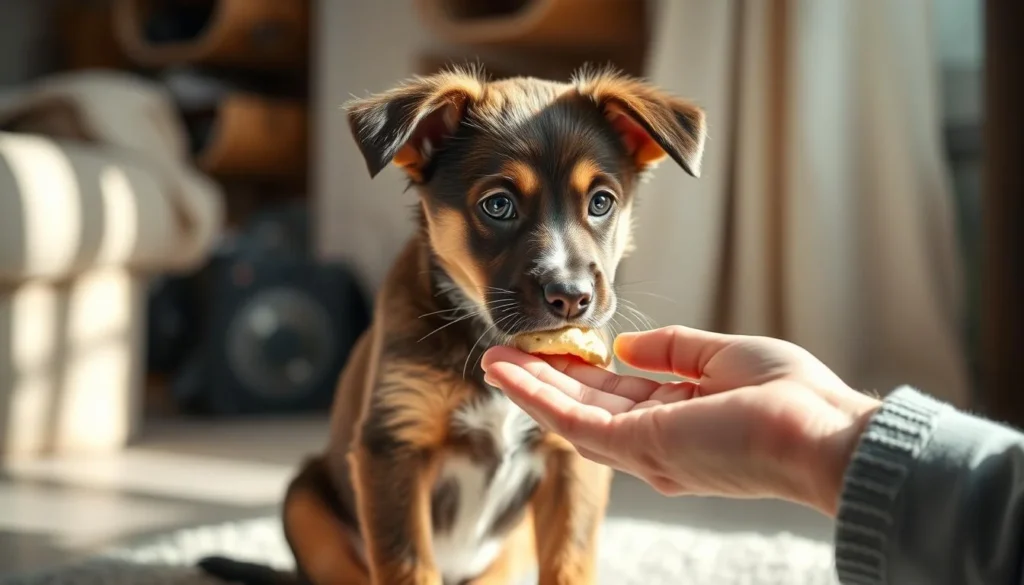
Redirecting biting is a great way to stop it. If your puppy bites your hands, give them a chew toy instead. This teaches them that toys are for chewing, not hands. Always have a toy ready to use in these situations.
With time, your puppy will learn what's okay to bite.
Using High-Pitched Noises to Signal Pain
High-pitched noises can signal to your puppy that they're biting too hard. It's like saying, "Hey, that's too much!" This teaches them to be gentler. It's easy to do and helps a lot in teaching them right from wrong.
Recognizing When Puppy Biting is Problematic
It's important to know when puppy biting is a problem. Teething and play are normal, but some bites can mean deeper issues. I've learned to tell the difference between playful and aggressive biting. This helps me know how to handle it.
Distinguishing Playful Biting from Aggression
Playful biting is soft and friendly. It happens during play and is accompanied by a relaxed body and wagging tail. Aggressive biting, on the other hand, is stiff and may include growling. Knowing the difference helps me stop puppy biting before it gets worse.
Signs Your Puppy May Need Professional Help
If your puppy bites out of fear or aggression, get help from a professional dog trainer or behaviorist. Early help can stop big behavioral problems. Watching my puppy's behavior and getting advice has helped a lot in training and socializing.
Positive Reinforcement and Encouragement
Training a puppy is easier with positive reinforcement. It helps stop unwanted biting and strengthens our bond. Giving treats or praise for calm behavior makes training better and playtime more peaceful.
Rewarding Calm Behavior
It's key to reward calm behavior. I watch my puppy closely. When he's calm or gentle, I give him treats or praise.
This teaches him to be less wild and more calm. Being consistent with rewards helps him know what's expected.
Using Treats to Redirect Attention
Redirecting attention with treats works well. If my puppy bites, I give him a chew toy and a treat. This makes him focus on toys instead of biting.
As he learns, playing with toys becomes more rewarding. It's good for both of us.
Managing a Biting Puppy
Managing a biting puppy needs clear strategies and rules during play. Consistency is key in preventing puppy biting. When I see biting, I stop play right away. This teaches my puppy that biting ends the fun.
Establishing Play Time Rules
Setting clear playtime rules is vital to stop puppy biting. I teach my puppy that gentle play is expected. If they bite, I stop play calmly and step away. This teaches them what's okay and what's not.
Using Time-Outs Effectively
Time-outs are another great way to manage biting. When my puppy bites, I take them out for a short time. This helps them understand that biting stops play. Time-outs teach them what's acceptable.
Puppy Biting Prevention Techniques
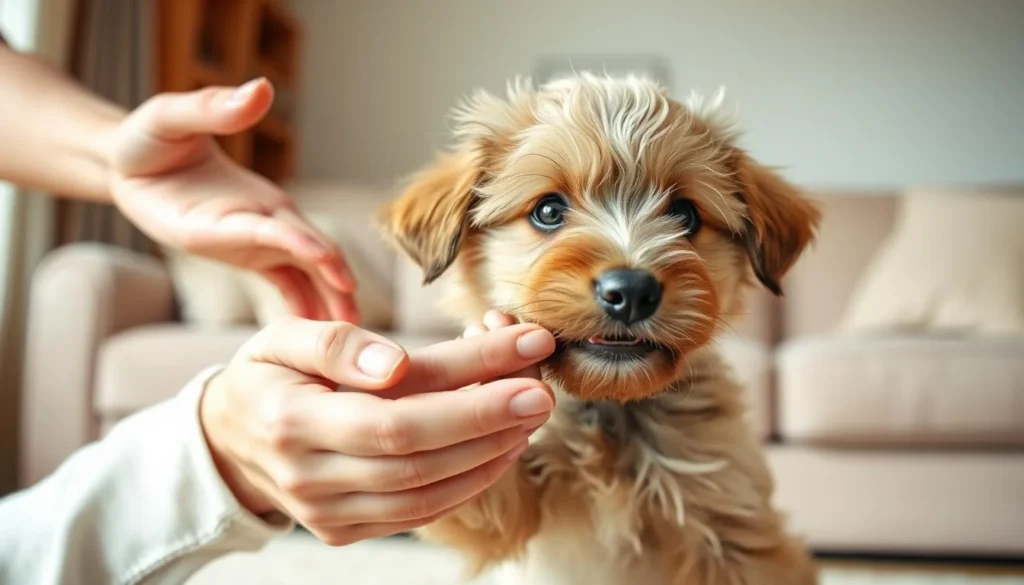
Managing puppy biting is key to a good relationship with your pet. Being proactive helps prevent those little teeth from getting too close. Using the right strategies keeps you safe and teaches your puppy right from wrong.
Keeping Your Hands and Feet Safe
When playing with my puppy, I avoid letting them bite my hands or feet. I use toys instead, making sure they know toys are for biting. This keeps me safe and helps them learn to play the right way.
Providing Appropriate Chew Toys
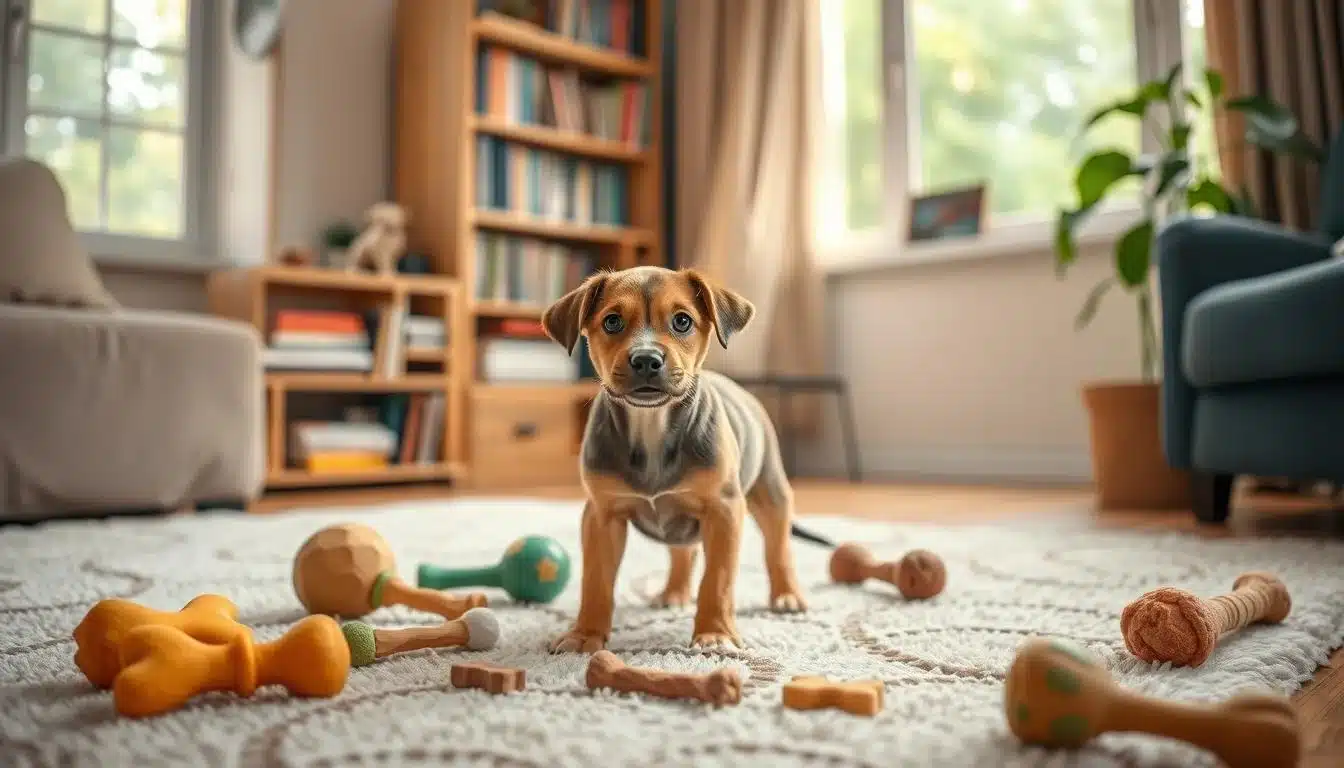
Having lots of chew toys helps my puppy without biting me. I make sure these toys are easy to find, so they know what's okay to chew. Durable toys for teething keep them busy and teach them good habits.
Redirecting Puppy Biting Behavior
Redirecting puppy biting is key to training a well-behaved dog. Puppies use their mouths to explore, leading to unwanted bites. It's important for owners to offer alternatives for play to stop biting hands or feet.
Using Toys Instead of Body Parts
When my puppy bites, I give them a toy instead of letting them bite me. This protects me and teaches them to bite toys. By always giving toys during play, I help them learn to play with them, not my body.
Strategies for Encouraging Proper Play Behavior
Using engaging toys is crucial in stopping puppy biting. I choose high-value or squeaky toys to grab their attention. This makes playtime exciting and safe. Here are some strategies I use:
- Engage in interactive play: Use tug ropes or fetch toys to make playtime fun and rewarding.
- Introduce different textures: Offer toys with varied textures that are interesting to chew on.
- Maintain consistent training: Always reward my puppy when they choose toys over biting body parts.
By using these strategies, I create a positive play environment. This encourages healthy play and reduces biting.
Socialization and Puppy Classes
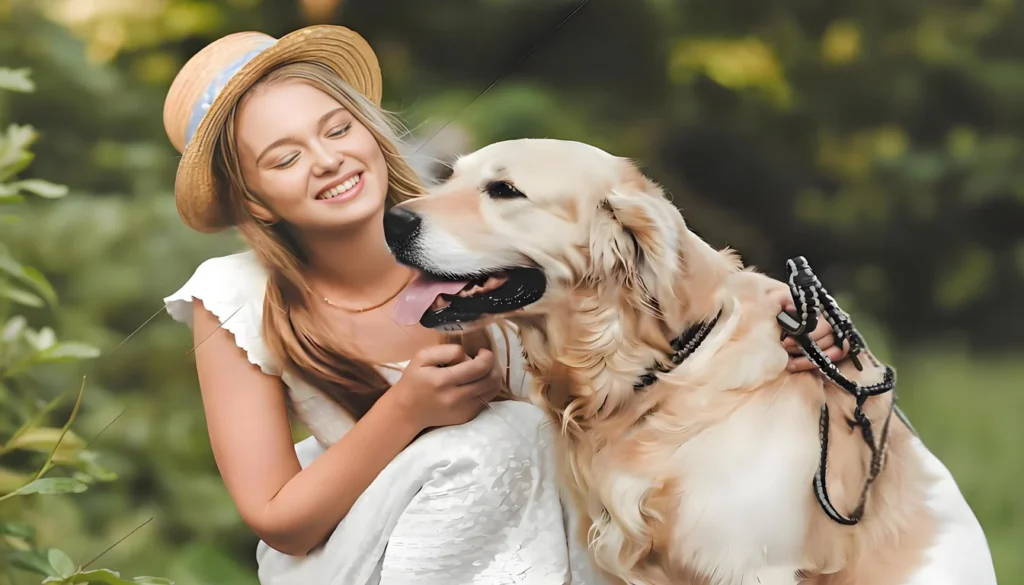
Putting your puppy in socialization and puppy classes can really help them grow. They learn important social skills and how to get along with people and other dogs. These classes also help with behaviors like biting.
The Benefits of Puppy Socialization Classes
Puppy socialization classes are super beneficial. They let your dog meet and play with others, teaching them how to interact well. Puppies get used to different sounds, smells, and sights, which boosts their confidence and reduces anxiety.
They also learn to understand social cues, like how to play nicely with others. This is key for a well-behaved dog.
Learning Bite Inhibition from Other Puppies
Learning not to bite too hard is a big part of socialization. Puppies learn this by playing with their friends. When they bite too hard, they get feedback, teaching them what's okay and what's not.
This way, they learn good behavior not just at home but everywhere they go. They pick up on what their friends do and try to do the same, which is a big part of being a well-mannered dog.
Reducing Excess Energy as a Cause of Biting
Understanding why a puppy bites is key. One main reason is their energy levels. Puppies have lots of energy, and without a way to release it, they might bite. By reducing this excess energy, we can make our home calmer for both of us.
Importance of Regular Exercise
Regular exercise is crucial. Daily walks, playtime, and games help use up my puppy's energy. A tired puppy bites less because they're more relaxed. Exercise also makes our bond stronger.
Engaging Puppy in Mental Activities
Mental activities are also important. Puzzles and training keep my puppy's mind busy. This mix of physical and mental activities tires them out in a good way. It also means they bite less, as they're not looking for ways to play or communicate.
Puppy Teething Solutions
Puppy teething can be tough, but the right solutions can help a lot. Puppies often chew on things to feel better. Giving them the right toys can ease their pain and teach them to chew right.
Types of Teething Toys
It's key to pick the right teething toys to soothe sore gums. Here are some good ones:
- Soft rubber toys: They're tough but gentle on a puppy’s gums.
- Fabric toys: They have different textures for a fun chewing experience.
- Chew bones: They can handle a lot of chewing, supporting the puppy's teeth.
Temporary Relief Strategies for Sore Gums
There are also quick fixes for sore gums. Cold or frozen items can really help. For example, frozen washcloths or teething rings can be great.
These simple tricks keep my puppy busy and help them feel better. They also help keep their teeth and gums healthy.
Creating a Safe Environment for Your Puppy
Creating a safe space for your puppy is key to their happiness and good behavior. I started by making my home puppy-proof. This step helped keep my puppy out of trouble and stopped unwanted chewing.
Puppy-Proofing Your Home
To keep your puppy safe, you need to puppy-proof your home. I used baby gates to block off areas. I also removed things that could harm my puppy, like electrical cords and small objects.
Having a safe area for your puppy lowers the risk of them finding dangerous things.
Avoiding Encouragement of Biting Behavior
To stop biting, I encouraged my puppy to play in a safe way. I gave them chew toys and avoided letting them chew on things I didn't want them to. This helped them learn good behavior and play without biting.
Creating a safe space helps build a strong bond with your puppy. It also keeps them from developing bad habits.
Conclusion
Understanding puppy biting behavior is key to a happy home with my new pet. Using the right training, being patient, and redirecting their bites helps a lot. Remember, puppies bite as they learn about their world. With the right help, they can change this behavior.
Using the right chew toys and socializing them regularly helps a lot. Also, knowing when they need extra help is important. This way, my puppy will be well-adjusted and happy. By being positive and rewarding good behavior, my puppy will thrive in our loving home.