I remember the first night with a trembling rescue. She was scared, flattening herself on the floor. Every sound made her jump. I promised to keep her safe and help her feel at home.
Fear is normal for dogs facing danger. With help from experts like Christine D. Calder, DVM, DACVB, I'll share how to build confidence. We'll use predictable interactions, positive reinforcement, and gradual exposure.
We'll talk about creating a safe space, simple enrichment, and gradual exposure. If you want to help fearful dogs gain confidence, this guide has practical advice and realistic timelines.
Key Takeaways
- Fear is a normal response; safety and patience are the first priorities.
- Predictable routines and respectful handling build trust over time.
- Small, consistent steps—desensitization and enrichment—lead to steady progress.
- Use positive reinforcement and avoid punishment to strengthen confidence.
- Track triggers and wins; consult a veterinary behaviorist if progress stalls.
Understanding fear in dogs and why confidence matters
Fear in dogs is common and often hidden. Spotting early signs is key to helping them. Building confidence is crucial for their learning, health, and how they face the world.
What fear looks like: common body language and signals
A fearful dog shows subtle cues before anything dramatic happens. Look for a low head, ears pinned to the side or flat, a furrowed brow, and squinty eyes. The mouth may be tight, with lip-licking or yawning that signals stress rather than tiredness.
Other signs include a lowered or slowly wagging tail, hiding, freezing, trembling, or a tucked tail. Panting and a stiff body are red flags I never ignore. These cues guide practical dog behavior tips for safe approaches.
How fear affects behavior and learning
Fear narrows a dog's focus and limits learning. A stressed dog struggles to process new commands or enjoy enrichment. Confidence gives a dog space to try, fail, and succeed without panic.
If a dog had few positive experiences or missed early socialization before 12–14 weeks, low confidence is likely. Past trauma or negative associations can make simple tasks feel dangerous. I recommend gradual work on overcoming fear in dogs so training feels safe and predictable.
When fear is misunderstood as aggression
Defensive behaviors often look like aggression to an untrained eye. A cornered dog may snap, lunge, bark, or bite to create distance. Those acts are escape responses, not a desire to harm.
Adopters from shelters often report stiffness and quivering for days or weeks. Giving space and slow acclimation prevents mislabeling a fearful dog as aggressive. Thoughtful fearful dog rehabilitation keeps the dog safe while reducing risk for people and other animals.
| Signal | What it often means | Practical tip |
|---|---|---|
| Low head, tucked tail | Submission or fear | Approach calmly at an angle, avoid direct eye contact |
| Lip-licking, yawning | Stress calming signals | Pause interaction and give the dog space |
| Freezing, stiff body | High anxiety, ready to flee or defend | Remove triggers, reduce intensity, use high-value treats |
| Trembling, hiding | Overwhelm | Create a quiet safe space and avoid forced contact |
| Snapping or lunging | Defensive escape attempt | Back off, consult fearful dog rehabilitation resources, consider a behaviorist |
how to help a fearful dog gain confidence at home
I focus on small, steady steps with a scared dog. Short sessions, clear rewards, and patience help. I track progress to adjust my plan without rushing the dog.
Setting realistic expectations and timelines
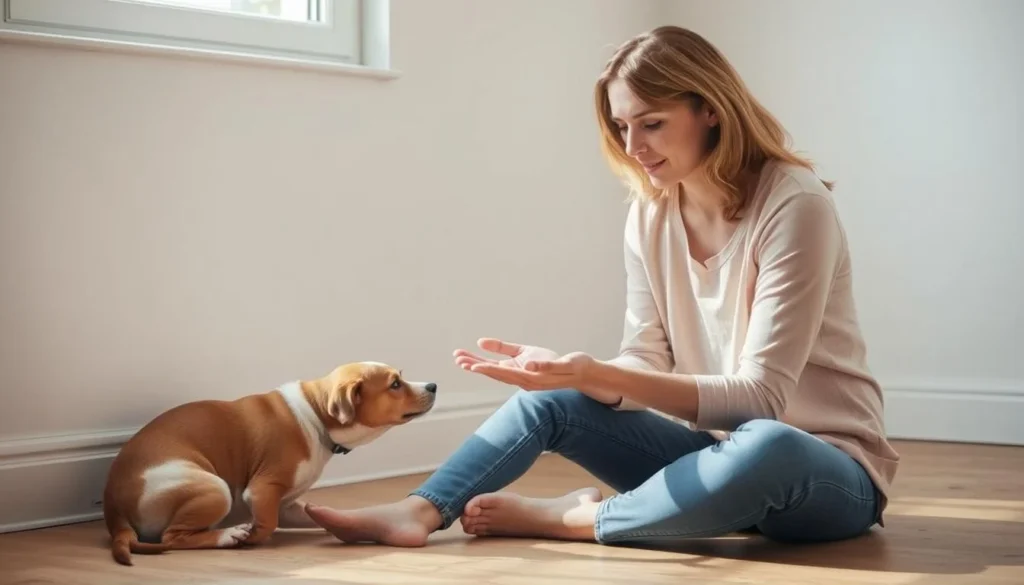
Change comes slowly with a scared dog. It can take days, weeks, months, or years. Celebrating small gains, like a calmer posture, helps build real change.
Short, consistent practice sessions are best. Training in five- to ten-minute blocks helps the dog learn without feeling overwhelmed.
Why a predictable routine reduces anxiety
Dogs feel safer with predictable routines. I set regular times for feeding, walks, and rest. This predictability reduces stress and makes learning easier.
Consistent cues and rewards help in training. When the dog knows what to expect, trust grows faster.
When to consult a veterinarian or behaviorist
I know when to seek help. If fear worsens, or the dog can't function, it's time for a professional. I also advise a consult if progress stalls.
Seeking professional help is crucial for managing triggers. A vet behaviorist or positive trainer can create a plan. They may also consider medication or advanced behavior plans.
Keeping a trigger log is important. It helps professionals plan the best interventions. Responsible, relationship-based methods are key to building trust with a fearful dog.
Creating a safe haven and low-stress spaces in your home
I created a calm corner for my nervous dog. It's a quiet bedroom corner or an unused closet. This spot lets them breathe and gain confidence while I keep the rest of the house busy.
I chose warm, soft bedding and added a familiar blanket or something that smells like me. I put food, chews, and a favorite toy there. This makes the area a positive place for them.
When I feed meals and give treats there, they start to go there on their own. This makes it a true safe haven for shy dogs.
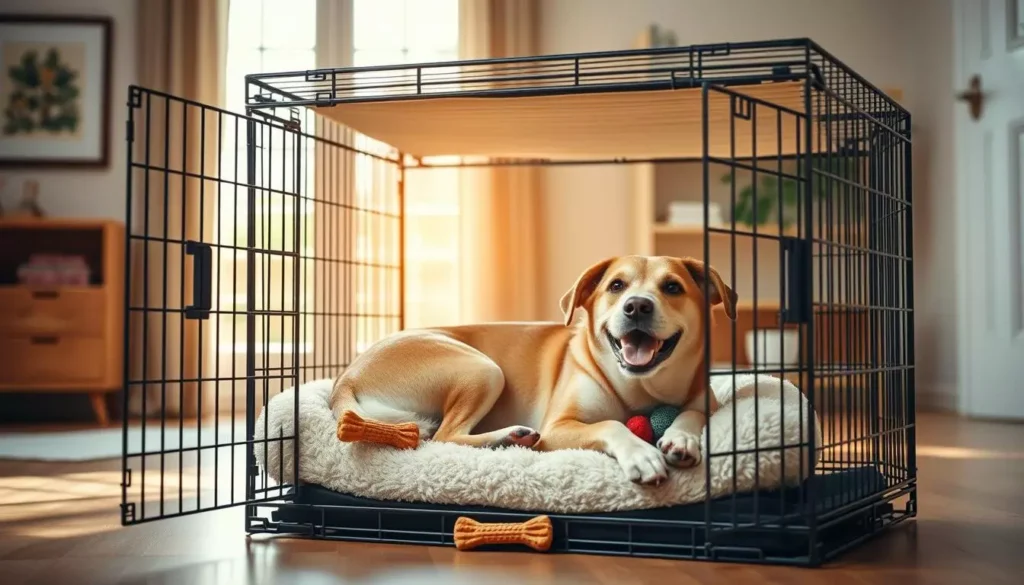
Crates and covered kennels can also help. I cover the crate with a breathable blanket and leave the door open at first. Mat training is another tool I use. A mat or small bed gives a portable place to relax during vet visits, car rides, or hotel stays.
I make the area off-limits to guests and children. This teaches the dog it's for calm time. I keep play and enrichment items there too. Short training games, food puzzles, and quiet sniffing work reinforce positive feelings.
When I bring a newly adopted dog home, I set up the retreat right away in a quiet area. Letting them get used to smells and sounds without pressure helps. Small, consistent rewards for entering the space speed up the process and build trust more quickly.
Building trust through respectful interactions
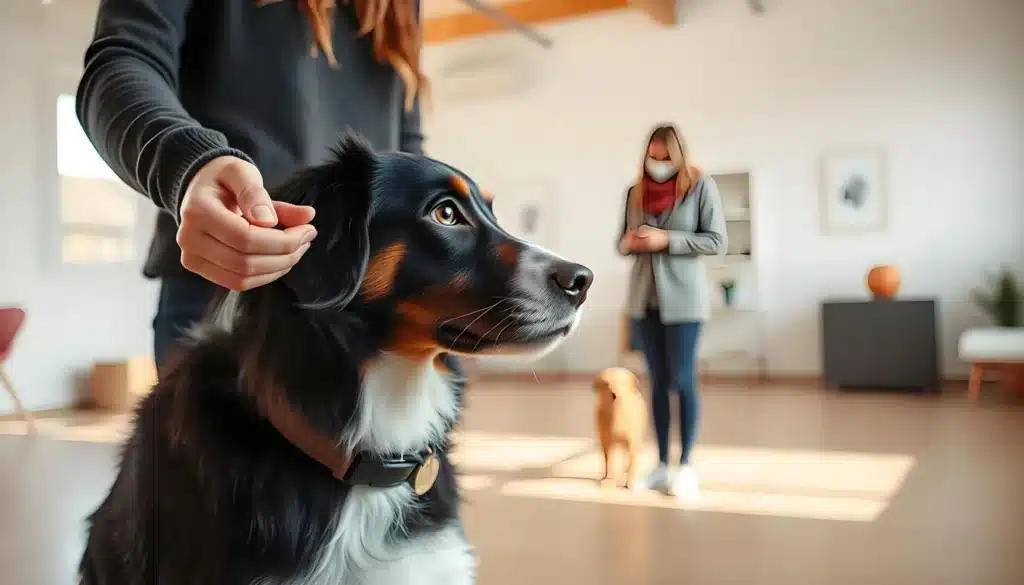
I start by honoring a dog's boundaries and letting them choose when to engage. Many dogs prefer a gentle angle and space, not direct approaches or hugs. I give the animal room to approach me first and avoid forcing contact.
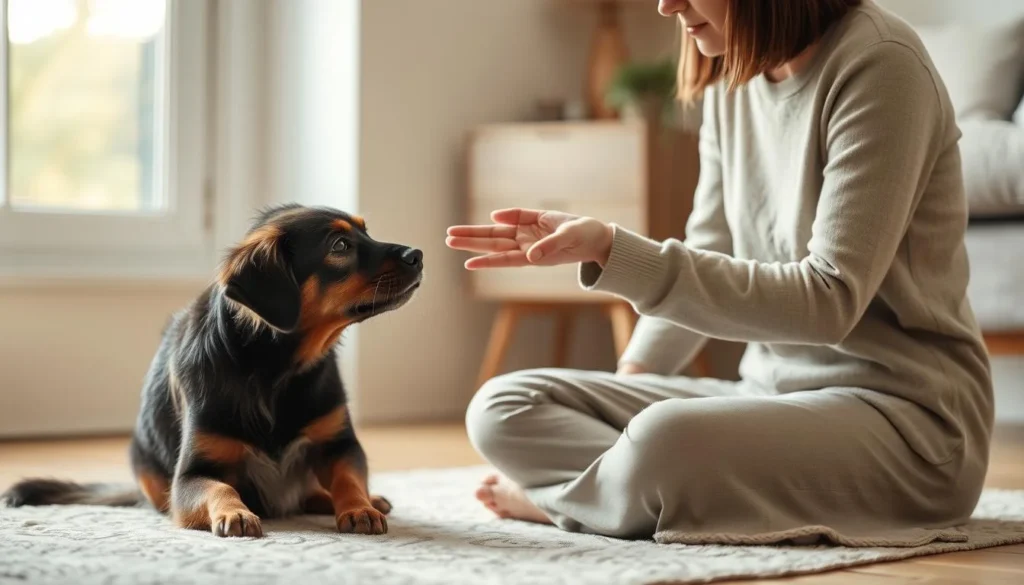
I limit eye contact, touching, and talk during the first days unless the dog invites interaction. Sitting angled away, speaking softly, and using toss-and-return treats helps the dog come to me on their terms. This method supports building trust with a fearful dog and fits practical dog behavior tips I use at home.
I use short, clear invitations to interact and let the dog decline. A toss-and-walk-back treat drop or placing food behind the dog gives control to the animal. That voluntary choice is central to respectful interactions with shy dogs and reduces pressure.
I reward small signs of comfort with gentle praise and high-value treats. Positive reinforcement for tiny steps builds confidence without overwhelming the dog. These dog behavior tips help me turn nervous responses into predictable, safe progress.
I never punish fear-driven behavior. Scolding can make fear worse and break trust. I treat growls or retreat as useful communication and encourage the dog to move away when needed. Avoiding punishment strengthens trust and keeps interactions respectful.
I train household members to follow calm, consistent routines and to use the same toss-and-return approach. Consistency makes the home predictable and helps with building trust with a fearful dog. Over time, those respectful interactions with shy dogs create a reliable bond and steady gains in confidence.
Desensitization and counterconditioning techniques for everyday triggers
I start by figuring out what scares my dog. Common things that can upset them include loud noises, strangers, other dogs, cars, grooming, and vet visits. I keep a daily log to track these triggers and plan my training.
I record each day in a simple way: date, time, trigger, context, body language, and reaction. This fear log helps me see how far we've come and when to move forward. It makes training more effective for fearful dogs.
I divide each trigger into small steps that my dog can handle. For vet visits, we might start with just seeing a carrier, then touching their paws, and finally a short ride. I only move on if my dog stays calm at each step. This slow approach helps avoid setbacks and builds confidence.
When we practice, we do it for short, frequent times. Sessions are always positive and end when my dog is calm. If a step is too stressful, we go back to a level my dog can handle. This careful approach is key to desensitizing my dog.
Counterconditioning changes how my dog feels about a trigger. I pair the trigger with something my dog loves, like cooked chicken or cheese. I give the treat right away and consistently, so my dog learns to expect something good when they see the trigger.
For formal training, I work with a positive reinforcement trainer. They help design the steps and adjust the timing. If my dog has severe reactions, I talk to my vet about medication to help with training.
I keep a detailed record of every session in my fear log. I note even the smallest victories. This record helps keep training consistent and shows when it's time to increase the challenge or seek extra help. Using both desensitization and counterconditioning gives my dog the best chance to overcome everyday fears.
Positive reinforcement training and focus behaviors
I teach simple, predictable cues to help dogs focus away from stress. Positive reinforcement training uses treats and calm praise to make learning safe and rewarding. I keep sessions short and frequent, so each step feels achievable.
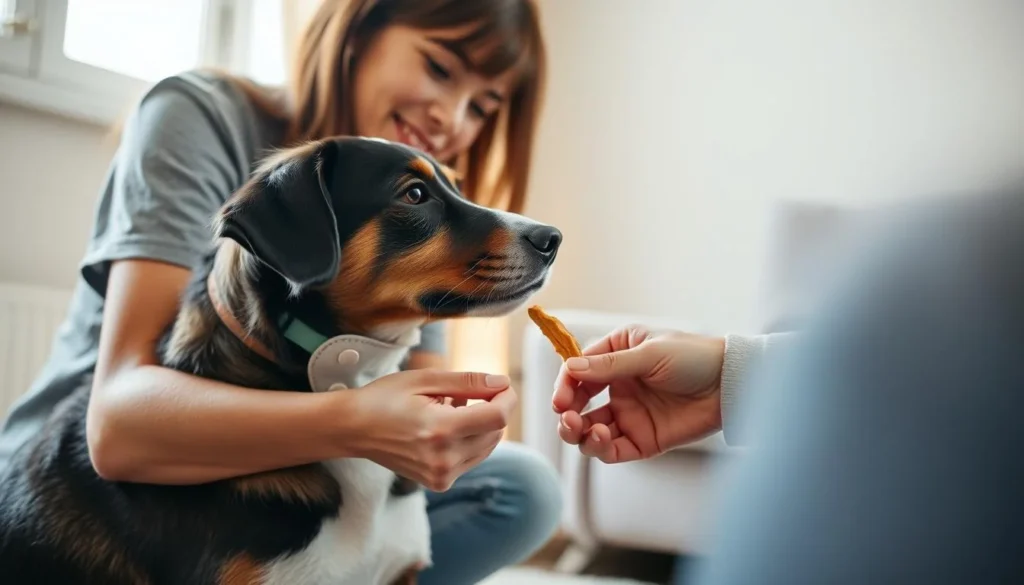
When I introduce focus behaviors, I start with eye contact, target-touch, and a chin rest. These cues give dogs a reliable way to communicate. They reduce uncertainty and build trust through small wins.
I use a clicker or a soft verbal marker for pinpoint feedback. Clicker training speeds up learning and reduces confusion. Clear markers help a fearful dog link the exact moment they did something right to the reward that follows.
Rewarding small wins is key in my approach. I reinforce tiny steps, then slowly raise criteria. This keeps the dog motivated and prevents overwhelm.
I blend practical training techniques with a mat or place cue to teach relaxation. A settled mat response becomes a portable anchor for calm behavior in new settings. I reward quiet settling the same way I reward focus work.
My sessions include short drills, calm handling, and lots of reinforcement on the move. I carry treats at all times to reward an approach or a confident glance right away. Over weeks, these training techniques for fearful dogs produce steady, reliable gains.
Enrichment activities and games to boost self-confidence
I use simple games and daily challenges to help a shy dog feel capable. Small wins build trust and shift attention away from fear. I recommend mixing calm play, scent tasks, and food-based puzzles so sessions stay fresh and rewarding.
Nose work and scent games
Nose work for dogs taps into a natural strength. I start by hiding a scented treat in an easy spot and celebrating each find. This gives clear feedback and boosts problem-solving confidence.
I raise difficulty slowly. I hide treats under cups, behind furniture, then in the yard. Each successful search becomes a repeatable win. This method works well as one of the core activities to boost a dog's confidence.
Food puzzles and progressive challenges
Food puzzles teach independence and focus. I swap a bowl for a treat-dispensing toy once a day. Frozen fillings or snuffle mats add novelty and make feeding an enriching task.
Rotate toys and change challenge levels every few days. Gradual increases keep the dog engaged without overwhelming them. These steps form practical enrichment for fearful dogs and build steady competence.
Play-based activities adapted for shy dogs
Play can be gentle and tailored. I use soft tug, low-key fetch, and hide-and-seek with predictable rules. I watch body language closely and stop before the dog shows stress.
Short, frequent sessions let the dog succeed often. When play is calm and consistent it strengthens my bond with the dog and turns the environment into a source of positive experiences.
Below is a quick comparison of simple tools I use and why they help.
| Tool | How I use it | Benefit for shy dogs |
|---|---|---|
| Snuffle mat | Scatter kibble and let the dog nose-search for meal | Encourages natural foraging, reduces mealtime stress |
| Treat-dispensing toy | Start easy, then increase obstacle complexity | Promotes independent problem solving and patience |
| Scent hides | Hide scented treats indoors and outdoors progressively | Builds confidence through successful searches |
| Gentle play | Short sessions of fetch, tug, or hide-and-seek at low intensity | Improves social play skills without forcing interaction |
I keep sessions short, upbeat, and predictable. I track small wins and tweak challenges to stay within the dog's comfort zone. That steady, varied approach makes enrichment for fearful dogs practical and effective.
Walking strategies and controlled exposure to the outside world
I walk my fearful dog with patience and small goals. Short, calm outings help build trust. I keep sessions frequent and low-stress so the yard or sidewalk becomes a safe place instead of a battlefield.
I favor short, frequent walks and sniff walks in quiet locations. Letting my dog sniff and explore at her own pace turns each outing into training for confidence. These sniff walks for anxious dogs tap into natural behaviors and reduce pressure to perform.
I always carry high-value treats and the dog’s favorite toy. When a truck or loud noise appears, I toss treats gently to redirect attention and reward calm choices. This on-the-spot reinforcement makes learning immediate and meaningful.
I avoid forcing movement. If my dog stalls, I use gentle encouragement and treats rather than pulling. Allowing her to set the pace prevents escalation and supports gradual progress in reducing anxiety in fearful dogs.
Pausing or ending a walk early is a smart choice when signs of overwhelm appear. Freezing, tucked tail, or heavy panting tell me to return home before the fear deepens. Stopping at the right time prevents reinforcement of fearful responses.
- Plan: Choose quiet routes and aim for three to five short outings daily.
- Reward: Keep treats handy and use toys for playful redirection.
- Pace: Let the dog lead on sniff breaks to build confidence.
- Pause: Monitor stress signals and end the walk when needed.
These walking strategies for fearful dogs create repeated, low-risk wins. Over time, controlled exposure and positive reinforcement help make the outside world less scary. I track small gains and celebrate each calm step forward while staying focused on reducing anxiety in fearful dogs.
Managing interactions with people and other animals
I help owners with calm steps for meeting people and animals. Fearful dogs quickly pick up on body language. This careful approach lowers stress and builds trust.
How to introduce new people safely
I tell guests to sit and look away, keeping hands low. Tossing treats gently behind the dog encourages them to approach without feeling pressured. I advise visitors not to reach over the dog’s head or force eye contact.
This makes interactions with people less scary and more predictable.
Using distance and barriers for animal meetings
When introducing another pet, I start with distance and a barrier like a baby gate. Short, positive sessions at a comfortable range prevent escalation. Gradually, I close the gap while rewarding calm behavior.
This method keeps meetings safe and constructive when introducing dogs to other animals.
Training household members and guests
I teach family members to use soft voices, minimal approach, and consistent reward signals. I create simple scripts for guests so everyone tosses treats and waits for the dog to come. Teaching people these routines is key to handling fearful dogs.
Small changes in posture and timing make a big difference. I keep sessions brief and end on a win. Over time, the dog links new faces and animals with rewards and calm, supporting steady progress.
When medication or professional help can support progress
I keep a detailed log of triggers, reactions, and our daily efforts. This helps me and a vet spot patterns when training isn't working. If a dog shows signs of panic, freezes, or avoids learning for weeks, it's time to seek help.
Severe reactions often mean training alone won't cut it. I look for repeated crisis responses, no progress over time, or fear that stops safe participation in activities. These signs tell me it's time to ask for professional help for fearful dogs.
Signs that behavior modification alone may not be enough
I watch for clear red flags like frequent panic attacks, aggressive escape attempts, or total shutdown during common activities. If progress stalls for weeks despite consistent, force-free training, it's time to involve a veterinary behaviorist for dogs.
How medication can be used short-term or as-needed with training
Medication for fearful dogs can help lower anxiety, making training more effective. Vets often prescribe it for short-term use or as needed before stressful events like vet visits or storms.
I explain that drugs are tools, not cures. Used with positive reinforcement training, they can speed up progress and keep the dog safe while learning new things.
Finding and working with positive reinforcement-based trainers and veterinary behaviorists
I look for trainers who use force-free methods and then work with a board-certified veterinary behaviorist for complex or risky behaviors. A DACVB specialist can help with drug choices, dosing, and how long medication will support the training plan.
| When to Consider | Who to Involve | Typical Role |
|---|---|---|
| Severe panic or aggressive escape | Board-certified veterinary behaviorist (DACVB) | Clinical assessment, medication planning, medical rule-out |
| No progress after weeks of force-free training | Positive reinforcement trainer | Adjust protocols, provide structured sessions, coach owners |
| Predictable high-stress events (thunderstorms, travel) | Veterinarian with behavior experience | Prescribe as-needed medication and short-term plans |
| Baseline anxiety limiting daily life | Veterinary behaviorist for dogs + trainer | Combined medical and behavioral strategy for safe progress |
I recommend clear communication among everyone involved. Sharing the fear log, keeping notes on medication responses, and celebrating small wins helps keep the plan focused. Timely professional help for fearful dogs often prevents setbacks and speeds safe recovery.
Monitoring progress, keeping records, and adjusting your plan
I keep detailed notes when working with a fearful dog. This helps me see patterns and make informed decisions. I suggest a simple log that tracks triggers, reactions, and interventions.
Keeping a fear and progress log to track triggers and wins
My log entries are brief and to the point. Each entry records the trigger, the dog's behavior, and the reward. This makes it clear which cues cause anxiety and which lead to calm.
I also celebrate small victories. A calm approach, a voluntary touch, or a few minutes of calm near a trigger are all important. Recording these moments helps keep training focused and positive.
How to measure improvement and revise training steps
I set clear goals before increasing the challenge. For example, I only move forward when the dog remains calm for a certain time or distance. This approach keeps sessions safe and controlled.
If progress slows, I review the log to adjust the plan. Sometimes, I change rewards or add a play break. If issues persist, I seek advice from a vet or a force-free trainer.
Patience: expected timelines and celebrating small milestones
Every dog is different, and progress varies. Puppies may change quickly, while adult dogs may need more time. It's crucial to be patient and not rush the process.
I set achievable goals and celebrate small victories. I count calm moments, voluntary approaches, and relaxed breathing as milestones. These achievements keep me motivated and help the family stay positive.
Keeping a fear log, tracking progress, and being patient are key to successful training. Small, consistent records guide steady progress and keep everyone on the same page.
Conclusion
I've shared a clear plan to help a fearful dog feel more confident at home. Start by understanding their body language and creating safe spaces. Building trust is key, and so is using positive reinforcement and fun games.
Exposure to calm outdoor environments and careful social introductions are also important. Keeping a fear log helps track progress. This way, you can see how far your dog has come.
It's important to have realistic expectations. Some dogs get better fast, while others take longer. Rehabilitation is not always straightforward, so stick to routines and positive training.
When progress slows, consider getting help from a vet or a positive trainer. They can offer valuable guidance and support.
Remember to be patient and kind to yourself and your dog. Building confidence takes time, but it's worth the effort. Seeing your dog relax or enjoy a walk is a reward in itself.
With empathy and consistent practice, your dog can overcome their fears. It's a journey, but the results are worth it.