I remember the first time my rescue, Luna, wouldn't pee on a cold night. She circled, sniffed, and froze. I knew we might need a vet visit if she couldn't go. That night, I learned how small actions can make a big difference.
Before trying to get your dog to pee, there are basics to know. Whether it's on walks, at home, or when they need help, patience, routine, and clear signals are key.
I'll share simple steps for housebreaking and teaching a potty cue. I'll also explain when it's okay to manually express your dog's bladder. My aim is to give you calm, practical advice for when your dog needs help.
Key Takeaways
- Start with a calm routine and consistent timing to improve success in potty training and housebreaking.
- Teach a short, clear cue for how to get dog to pee and reward the behavior immediately.
- Learn gentle bladder expressing only with veterinary guidance for dogs that can’t urinate on their own.
- Use leash control and a designated spot to make outside peeing predictable and stress-free.
- Never punish accidents; focus on cleaning, signals, and reinforcing correct behavior.
Understanding why a dog won't pee: health, age, and stress
When a pet can't pee, I check the basics first. The reasons can be medical, age-related, or behavioral. Knowing the cause helps me decide if a vet visit, training change, or home adjustment is needed.
I start by looking for acute medical issues. Problems like urinary tract infections, bladder dysfunction, and neurologic issues can stop a dog from peeing normally. Nerve injury, disk disease, and spinal problems may prevent a dog from peeing or make expressing the bladder necessary under veterinary guidance.
Medical causes to rule out
When I suspect an illness, I list likely causes for a dog not peeing. Urinary tract infections are common and treatable. Bladder stones, tumors, and congenital defects need testing. Neurologic disease and spinal injury demand immediate vet evaluation.
Expressing a bladder without direction can hurt a dog with spinal issues. I always advise learning expressing techniques from a veterinarian before attempting manual help. This prevents harm and improves outcomes.
Age-related issues and mobility limitations
Senior dog bladder problems are common. Aging can reduce muscle tone and bladder control. Mobility loss makes it harder for a dog to reach the yard in time.
I recommend adjusting schedules for seniors, offering more frequent breaks, and providing pads or closer potty areas. Ramps, non-slip surfaces, and dog wheelchairs can restore access for dogs with limited movement.
Stress, environment, and behavioral triggers
Stress keeps many dogs from peeing in new places. Unfamiliar smells, loud noises, or crowded parks can trigger withholding. Dogs that learned under punishment may hold urine to avoid a scolding.
If medical causes are ruled out, I focus on calm introductions, short practice sessions, and teaching a consistent cue. This helps the dog link relaxation with urination. Letting dogs sniff and explore first reduces anxiety and helps me get a reliable response when I work on how to get dog to pee in various locations.
| Issue | Signs | Immediate action |
|---|---|---|
| Urinary tract infection | Frequent attempts, straining, blood in urine | Schedule vet exam and urine test |
| Neurologic or spinal disease | Weakness, hind limb problems, sudden inability to urinate | Seek emergency vet care; avoid manual pressure without instruction |
| Bladder dysfunction or stones | Discomfort, altered urine stream, accidents | Diagnostic imaging and medical or surgical treatment |
| Urinary incontinence in dogs | Leakage when resting or during sleep | Discuss medication and management with your veterinarian |
| Senior dog bladder problems | Increased accidents, mobility limits | Increase potty frequency, use pads, add ramps or assistive devices |
| Stress or environmental reluctance | Normal at home but stalls elsewhere | Allow sniff time, use short practice sessions, reward calming behavior |
How to get dog to pee on cue: teaching a reliable potty command
I teach dogs a simple potty cue by using timing, rewards, and practice. Watch for patterns like after waking, meals, and play. Be ready with treats and patience to capture the exact moment.
Choosing a cue word and timing
I choose short, distinct words for pee and poop. Words like “pee” and “poop” or “showtime” and “business” work well. This keeps responses clear and avoids confusion.
I wait until the dog starts to relieve themselves. Stay quiet while they go, then praise and mark as they finish. This prevents them from stopping midstream.
Capturing and rewarding the behavior
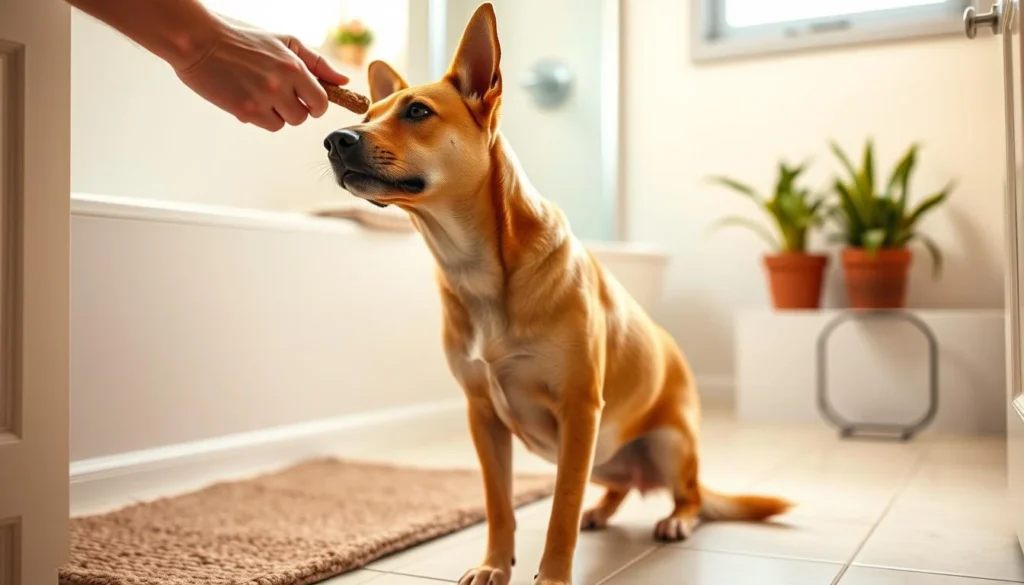
I use capturing to teach the potty cue. Watch closely during routine times, be ready with treats, and reward immediately. Use small, tempting treats stored by the door.
Pair the verbal cue with food and let them sniff or walk afterwards. This makes the cue positive and strengthens the behavior.
Generalizing the cue to different locations
I practice the potty cue in many places. This includes the backyard, sidewalks, parks, travel stops, and indoor pads. Dogs learn in context, so varied practice is key.
Keep sessions short, positive, and frequent. As the dog improves, use the cue earlier. Consistency and repetition build reliability across locations.
| Step | What I do | Why it helps |
|---|---|---|
| Pick distinct cues | Choose “pee” for urine and a different word for poop | Prevents mixed signals and speeds learning |
| Anticipate timing | Watch wake, post-meal, and post-play moments | Captures natural urges for clearer training |
| Delay marking | Mark or say cue near the end of the act | Stops the dog from interrupting and ensures success |
| Reward strategy | Give treats and allow extra outdoor time | Reinforces cue without ending the fun |
| Generalize locations | Train in backyard, park, sidewalks, pads | Builds reliability beyond one spot |
How to get dog to pee in backyard: routines and spot training
I help owners create a simple plan for backyard potty training. It's perfect for busy lives. We start with routines and then focus on a specific spot for your dog to go.
Using a consistent schedule helps predict when your dog needs to pee. For puppies, we go out every two hours and after sleep, play, eating, or drinking. For older dogs or those with special needs, we shorten the time and stay flexible.
Feeding times should be the same every day. This helps our outings match your dog's natural potty cues.
I pick one spot in the backyard and treat it like a room. We walk the dog on a leash to that spot each time. When they pee, I use a potty cue and reward them right away. Waiting until they're done helps avoid confusion.
Distractions can slow progress, so we limit play and walks until the spot is reliable. If neighbors interrupt, we pause and try again. After a successful potty, we let the dog sniff or play a bit. This shows them the cue doesn't mean they can't have fun outside.
Cleaning other areas of the yard is key. I use an enzymatic cleaner to remove scents from wrong spots. This helps the dog understand where to go. Being consistent, keeping sessions short, and rewarding on time makes training faster.
Establishing a consistent schedule
I set alarms and link outings to daily events. We go out in the morning, after meals, after naps, and at bedtime. For nights, I remove water a few hours before bed for most puppies. I adjust this for older dogs as needed.
Choosing and conditioning one spot
I choose a quiet, low-traffic corner for the spot. We always go there, using the same potty cue and rewarding right after. This builds a scent and routine association, making pottying automatic.
Managing distractions and rewards
- I minimize toys and visitors during training sessions.
- I reward immediately with treats, praise, or release to sniff once the job is done.
- I clean other areas to remove tempting scents and keep the backyard focused on one spot.
How to get dog to pee in new place: acclimation strategies
I travel a lot with my dog and know how hard it can be for them to pee in new places. I start by giving them a calm bathroom break before we leave. Then, I take them for a short walk after we arrive. This helps them feel less stressed and gives them time to explore.
Next, I let my dog sniff the area for a few minutes. Many dogs need to sniff before they can pee. This helps them feel more comfortable and familiar with the new place.
Pre-visit preparation and sniff time
I plan bathroom breaks around our travel schedule. I take my dog out before we leave and again after we arrive. I also let them sniff a specific area for a few minutes. This helps them feel less stressed and read the environment better.
Using your potty cue and high-value rewards
When I see my dog squatting or sniffing in circles, I use my cue word. I give them a high-value treat like cooked chicken or soft training treats right away. This rewards them for peeing in the new place and builds trust.
Short practice sessions to build confidence
I keep our outings short and positive. A few short trips to the same spot on the first day is better than one long trip. I let them sniff after they pee and avoid rushing them back inside. This helps them learn to pee in new places.
If my dog still struggles, I talk to my vet. They can check for any health issues that might be causing the problem. Some dogs need medical help or manual expressing when they can't pee on their own. It's important to address health first to keep training humane and effective.
| Step | Action | Why it works |
|---|---|---|
| Pre-trip break | Take dog out just before travel | Reduces immediate bladder pressure during arrival |
| Sniff time | Allow 3–5 minutes to orient and sniff | Helps dog feel safe and locate a suitable spot |
| Use cue | Say your potty command when dog begins to squat | Links the cue to the act across environments |
| High-value reward | Offer tasty treat immediately after elimination | Strong reinforcement speeds learning in new places |
| Short repeats | Practice multiple short outings over days | Promotes generalization and builds confidence |
| Vet check | Seek veterinary advice if issues persist | Rules out medical causes that block success |
How to get dog to pee in one spot: marking and consistency techniques
I want to help you create a reliable routine for your dog. This way, your dog will always use the same spot. We'll use scent, consistency, and rewards to make it happen. I'll share practical steps that fit busy lives in the United States.
Designating a permanent potty area
I pick a spot that's easy to reach and sheltered. I take my dog there on leash at set times: after waking, after meals, and before bed. Using the same path helps dogs predict where they should go.
This steady routine makes it simple to designate a potty spot for your dog. It builds a clear expectation. I reward immediately after the dog finishes. I give a small treat, praise, and a short walk if desired.
I use one short cue phrase every time I arrive. This phrase becomes linked to the action. For dogs with limited mobility, I position them over the chosen area and provide gentle support.
Using scent cues and soiled items
I bring a soiled paper towel or a rag from the chosen area to help the dog recognize the spot. Dogs rely on smell to find past toileting sites. Placing a small, safe item with the scent on the spot speeds recognition and helps when you first teach where to go.
I practice capturing eliminations at the spot and mark them with my verbal cue and reward. Over time, I phase out the rag but keep the cue. This scent cue dog pee strategy shortens confusion in new weather or after yard cleaning.
Reinforcement schedule for spot reliability
I start by rewarding every successful elimination to build a strong habit. After a few weeks, I switch to intermittent food rewards while keeping enthusiastic praise and extra privileges. This makes the behavior durable without relying solely on treats.
I track progress with brief notes on timing and context. If the dog slips, I return to more frequent rewards and tighten the schedule for a few days. Consistent meal times and walks help me predict elimination windows and reinforce the chosen location.
| Step | Action | Why it helps |
|---|---|---|
| Choose spot | Pick an accessible, sheltered area and always use the same path | Creates a clear, repeatable location for learning |
| Scent cue | Bring a soiled towel or rag from the area during early training | Speeds recognition by leveraging canine scent memory |
| Timing | Feed and walk on a consistent schedule; take dog to spot at key times | Predictable elimination windows increase success |
| Immediate reward | Treat and praise right after the dog finishes | Builds association between spot and positive outcome |
| Fade treats | Move to intermittent treats while keeping praise and privileges | Makes behavior reliable long term without constant food rewards |
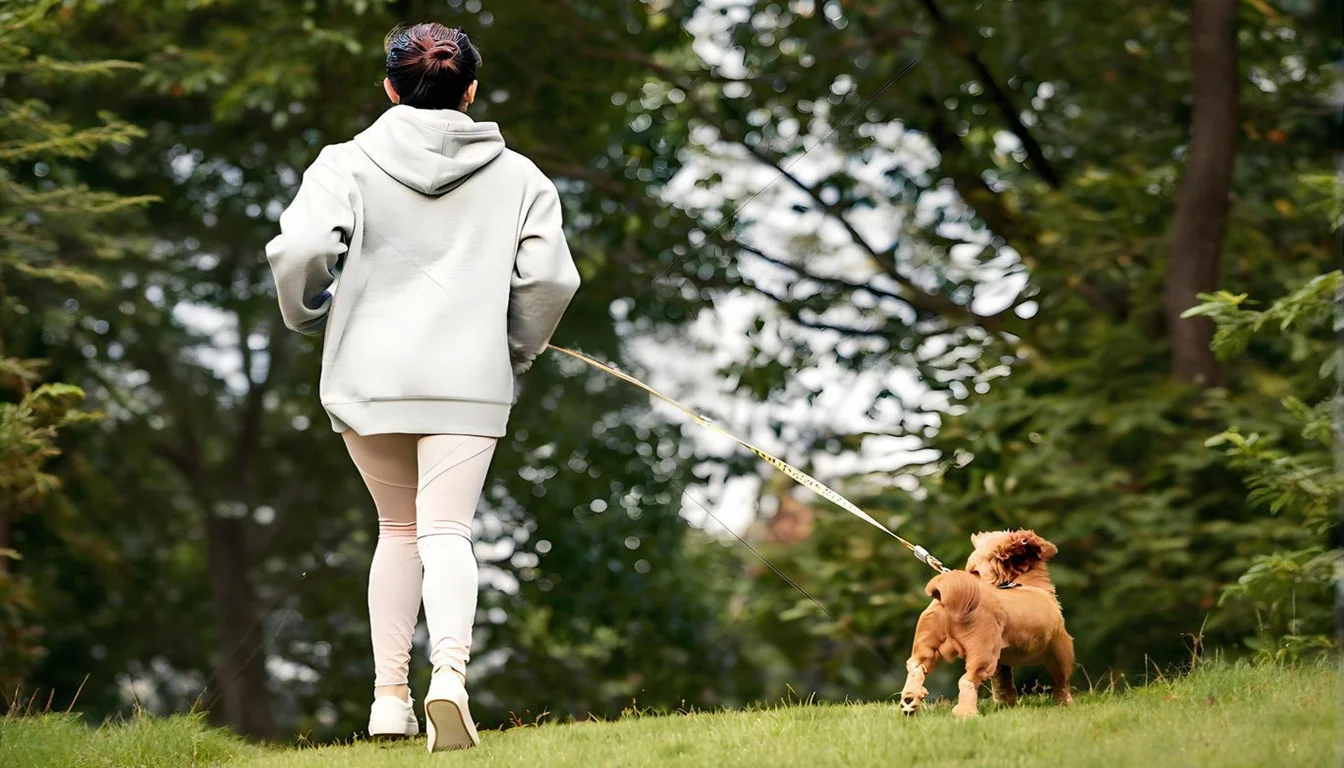
How to get dog to pee on leash: leash protocol and timing
I keep leash potty training simple and consistent. This helps my dog focus when it's time to go. Using short leads helps guide my dog to the right spot and prevents them from wandering off.
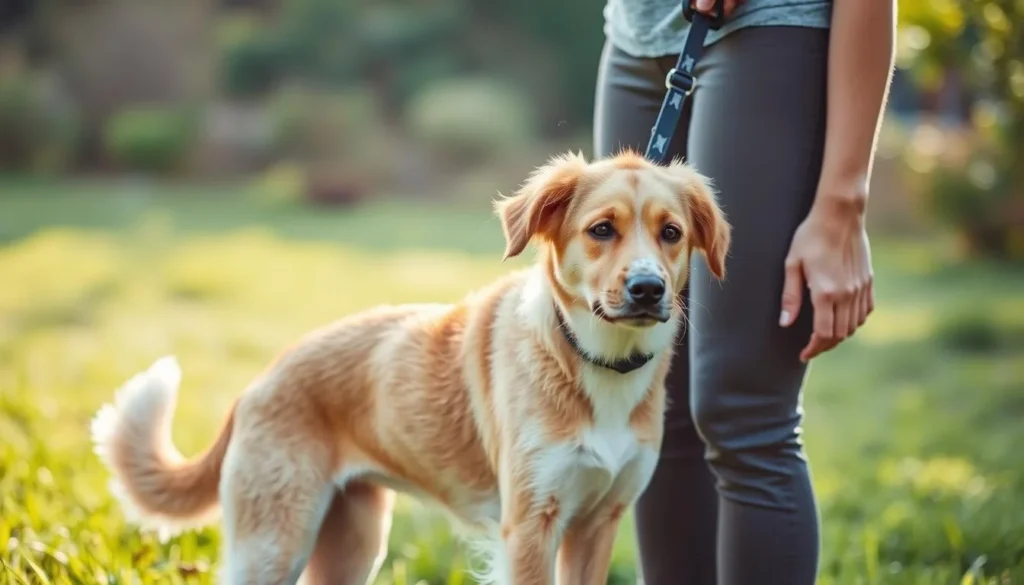
Every outing is a training session, not just a walk. I follow a quiet routine at exits. This includes clipping on a short leash, walking straight to the chosen area, and pausing.
I avoid giving my dog free time or letting them sniff too long before they show signs of needing to pee. This saves time and helps them understand where to go.
Leash etiquette for focused pottying
I use a short, comfortable leash and stand still when my dog starts to search. Pulling or tugging can make dogs anxious and disrupt their focus. I keep my voice low and movements slow to help my dog feel safe.
Recognizing body language and signals
It's important to watch for subtle cues. My dog circles, sniffs intensely, becomes restless, or scratches at the door when they need to go. Males may lift a leg, females may squat. When I see these signs, I take them to the designated spot without distractions.
Combining cue training with leash work
I pair a short cue word with the posture. As my dog assumes a potty stance, I say the cue and wait calmly. When they finish, I give a small treat and let them enjoy a brief reward, like a short walk or sniff time. This links the cue with success and keeps training positive.
Keeping treats by exits and staying consistent with timing speeds up learning. I avoid long waits and reward desired behavior quickly. This helps my dog connect the cue with the action. It also strengthens our bond and improves recognizing potty signals on every outing.
How to get dog to pee on pad or puppy pad: indoor alternatives
I created an indoor potty area for my Labrador when I was away. It's a reliable spot for him during long days. With the right setup and routine, indoor potty training works well without confusing your dog.
Setting up a reliable indoor potty area
I chose a quiet spot and made it puppy-proof with a non-slip mat and quality puppy pads. I treat it like an outdoor bathroom by leading my dog there on leash. I use a short cue and reward them right after.
If I'll be away for more than four hours, I arrange for someone to check on my dog. I keep cleaning supplies and extra pads ready to keep the area clean and inviting.
Training steps to transfer from pads to outside (or vice versa)
To move from pads to outside, I start by placing the pad closer to the door each day. Eventually, it goes on the porch, then the grass. I keep using the same cue and reward to help my dog understand the command, not the surface.
To move from outside to indoor potty, I practice the cue on the pad and reward immediately. I gradually reduce the distance between the door and pad. I avoid switching back and forth too often. This helps keep the training focused and effective.
Cleaning and management to prevent repeat accidents
I clean up accidents right away with an enzymatic cleaner to remove any lingering odors. I never punish my dog. Instead, I calmly guide them to the right spot and reward them for using it correctly.
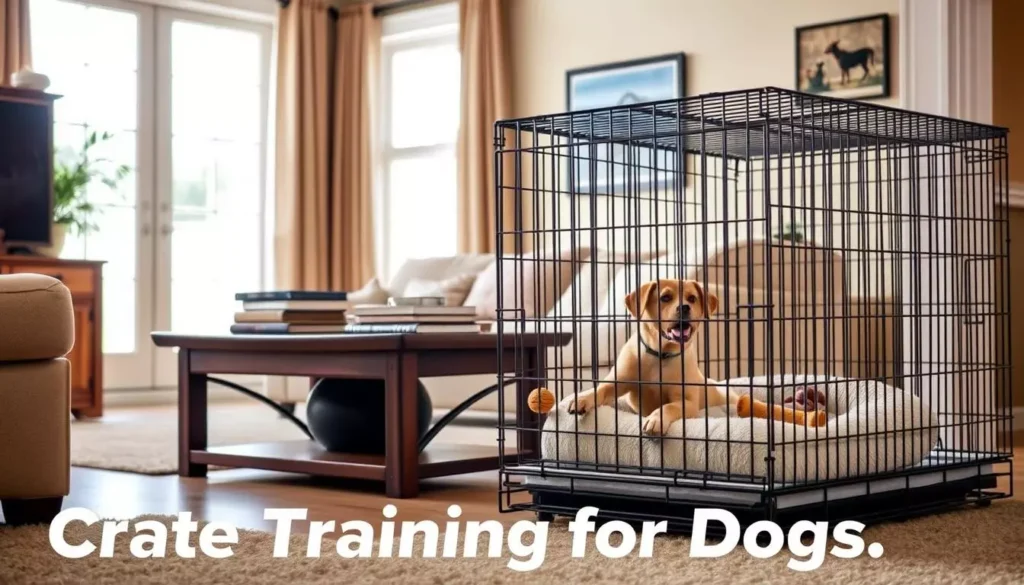
When I'm not around, I use a crate or gated area to prevent accidents. Being consistent, cleaning up quickly, and rewarding good behavior helps keep the routine clear for both of us.
How to get dog to pee on fake grass and sod boxes
I tested indoor and balcony options with my Labrador and a senior beagle. For puppies, seniors, and apartment dwellers, a durable artificial grass dog potty is a good choice. Look for systems with good drainage and a removable tray for easy cleanups.
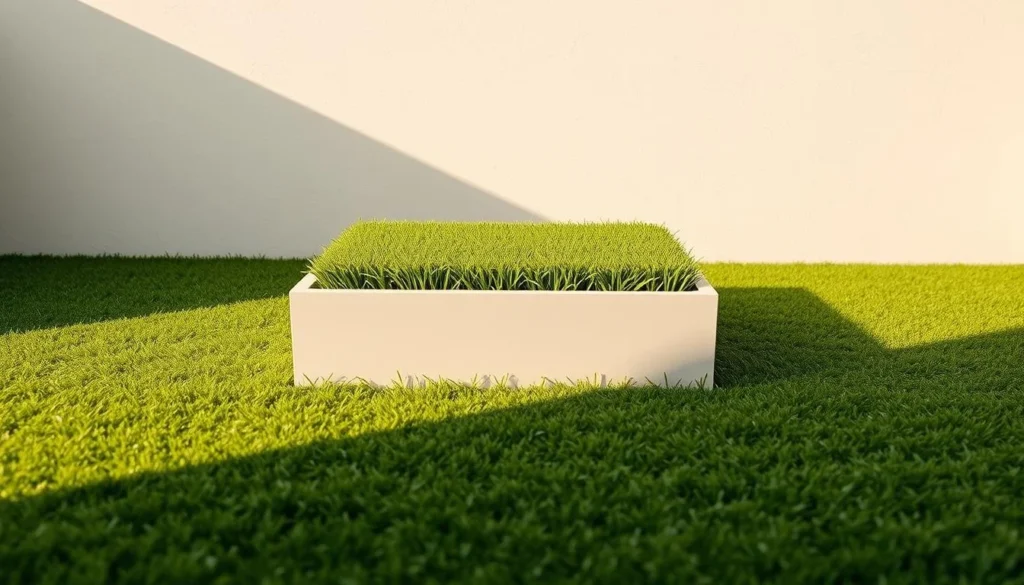
When shopping for fake turf, I look for thick fibers, antimicrobial backing, and a non-slip base. A well-made unit feels natural under paws and drains fast. This reduces mess and lowers the chance of lingering odors.
Choosing the right system
I compare materials, tray size, and drainage. For small dogs, a compact sod box training kit fits balconies and bathrooms. For larger breeds, I choose wider artificial grass dog potty panels for more room.
I keep these factors in mind:
- Durability of turf fibers
- Quality of removable tray and ease of emptying
- Antimicrobial or odor-resistant backing
Introducing your dog to artificial surfaces
I treat the new surface like any new location. First, I let my dogs sniff and explore without pressure. I use my potty cue when they begin to eliminate and reward with a high-value treat.
For reliable results, I repeat short practice sessions across different rooms. These repetitions help with sod box training and make the behavior transfer to other artificial patches if needed.
Maintenance and odor control tips
I clean daily. I rinse the turf, empty the tray, and use an enzymatic cleaner weekly to break down urine molecules. For seniors or disabled pets, I position them securely over the grass and follow my veterinarian’s guidance on expressing if they cannot empty their bladder fully.
Replacing liners and swapping worn grass on schedule keeps bacteria and smells at bay. With consistent hygiene and positive reinforcement, learning how to get dog to pee on fake grass becomes straightforward and stress-free.
How to express a dog’s bladder and assist dogs who can’t pee unaided
I help owners with dogs who can't pee after injuries, surgery, or weakness. Always get your vet's okay before trying to help your dog pee. Some dogs need help for a short time, while others will need it for a long time.
I teach owners when and how to help their dog pee. Look for signs like straining, small drips, or a big belly. Never push on a dog's spine if it's hurt.
When manual expressing is needed
Manual help is needed if a dog can't pee due to spinal issues, injuries, or after surgery. Your vet can teach you how to do it safely. It's best to practice with them until you feel sure you can do it right.
Step-by-step expressing technique
Start with the dog standing or lying down comfortably. Find the bladder by feeling where the ribs end and move back a bit.
- Place thumbs on one side and fingers on the other, or cup the abdomen for small dogs.
- Gently squeeze inward and upward until urine flows in a steady stream.
- Stop when the flow slows to a dribble, rest, then repeat as needed.
- For medium and large dogs, position hands behind the rib cage and keep pressure off the spine.
- If your hands tire, pause and reposition. Some handlers use knuckles or fists to cover more area.
- External genital stimulation can prompt small amounts, but this is less predictable than compression.
Practice until you can get a steady flow of urine. If you can't get any urine or the dog looks in pain, call your vet right away. Learning how to help your dog pee can prevent serious problems.
Creating an expressing station and safety tips
Make a special area with pads, gloves, towels, and gentle cleanser. A raised table or portable sling can make it easier for one person to help.
| Item | Purpose | Notes |
|---|---|---|
| Absorbent pads | Protect surface and simplify cleanup | Use veterinary-grade pads for best fluid control |
| Support sling or harness | Stabilize large or weak dogs | Wheelchair or porch pulley rigs work for heavy dogs |
| Disposable gloves | Maintain hygiene | Change between sessions to reduce infection risk |
| Vet-recommended cleanser | Clean skin and prevent irritation | Choose pH-balanced products like Malaseb when advised |
| Timer or log | Track frequency and output | Record volumes and any issues for vet review |
Support the dog well, avoid injured areas, and take breaks often. Keep sessions calm and short. Learning how to express your dog's bladder safely helps keep them comfortable and healthy. If you're unsure, always ask your vet for help.
Training seniors and special-needs dogs to pee outside or on pads
I help owners make potty time easier for older and special-needs pets. We make small, steady changes. This helps a lot. We focus on comfort, clear routines, and medical partnership to make the dog feel safe and successful.
For older dogs, we increase bathroom breaks and shorten outings. We offer supervised chances throughout the day. We also limit water a couple hours before bedtime, if the vet agrees. These steps cut accidents and reduce stress for dogs with weakened bladder control.
We use assistive tools and environment modifications to support mobility. Ramps, non-slip mats, slings, and low-step gates help a dog reach a yard or porch more easily. For dogs who can’t walk far, we set a special-needs dog potty near their resting area using pads or artificial turf. This makes it easy for them to find a clear, comfortable target.
We create an expressing station when manual expressing is necessary. I learned proper technique from my veterinarian and keep supplies close by. Short, positive training sessions help the dog stay calm and trust the routine.
We work with my vet on medical management since many cases need treatment. We bring urine samples, note accident timing, and ask about infections, incontinence medication, pain control, or physical therapy. The vet’s guidance improves success for how to get dog to pee outside or how to get dog to pee on pad.
We keep training short and positive. We reward small successes with praise or treats, avoid punishment after accidents, and gradually extend time between prompts. This builds confidence and reinforces good habits for training senior dogs to pee.
| Challenge | Practical fix | When to involve vet |
|---|---|---|
| Weak bladder control | More frequent walks, indoor pad nearby, scheduled water times | Persistent accidents or sudden changes in habits |
| Poor mobility | Ramps, slings, short leash outings, non-slip surfaces | Noticeable limping, pain, or reluctance to move |
| Immobility | Manual expressing, nearby special-needs dog potty, expressing station | Inability to urinate without help or signs of distress |
| Anxiety about going out | Quiet, familiar spot, short sessions, reward calm behavior | Severe anxiety or behavior regression |
| Household layout issues | Move pads close to rest area, block access with baby gates | Frequent accidents despite routine changes |
Common potty training mistakes and how to fix them
I see the same errors in many homes. These mistakes slow progress and frustrate owners. I will show you practical fixes you can use today.
Punishing accidents is a big mistake. Scolding, rubbing a dog's nose in a mess, or shouting creates fear. A scared dog may hide to eliminate or hold urine out of anxiety.
I suggest calmly cleaning the area, avoiding harsh reactions, and immediately guiding your dog to the correct spot. Reward the proper behavior with praise or a small treat to reinforce success.
Inconsistent schedules and mixed signals confuse dogs. Different potty spots, shifting cue words, and irregular feeding times lead to setbacks. I fix this by setting a steady feeding and bathroom timetable, choosing one clear cue, and keeping rewards the same.
Supervise closely and use a crate or confinement when you cannot watch your dog. When you use the potty cue, let the dog have extra sniffing or a short walk after they go. This keeps the cue positive and doesn't mean the session ends.
Overlooking medical causes can turn training into a guessing game. Urinary tract infections, incontinence, spinal injuries, and neurologic issues often mimic behavior problems. If your dog suddenly won't pee, strains, or eliminates in odd places, see a veterinarian.
For dogs that physically cannot void, work with your vet to learn expressing techniques and medical options before changing your training plan.
I use a simple checklist to fix potty training problems: rule out health issues, standardize schedules, pick one cue, and reward reliably. This approach answers why dog won't pee in many cases and shows how to get dog to pee with less stress.
If problems persist, keep a brief log of feeding, potty times, and accidents. That record helps your vet and tracks progress as you apply these fixes.
Conclusion
Clear steps are better than guessing when it comes to potty training. Start by checking with your vet to rule out any health issues. Then, pick one cue word and keep treats by the door.
Also, tie outings to a predictable schedule. This shows your dog when it's time to go. These steps are key to teaching your dog to pee where you want.
Use short, positive practice sessions to teach your dog in different places. For older dogs or those with mobility issues, consider manual expressing. Your vet can guide you on this.
Tools like slings or wheelchairs can also help. They make going outside more comfortable and successful.
Positive reinforcement and cleaning up accidents with enzymatic cleaners are important. Avoid punishing your dog to keep their trust. My tips include checking for illness, using a single cue, and scent-conditioning a spot.
Practice the cue in different places. Follow these steps for a clear, humane plan that works.