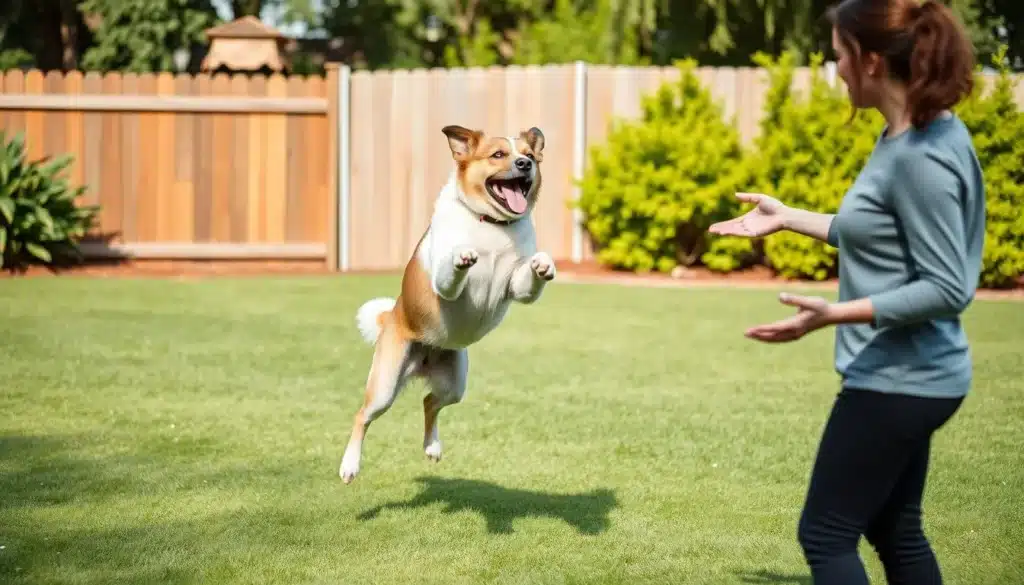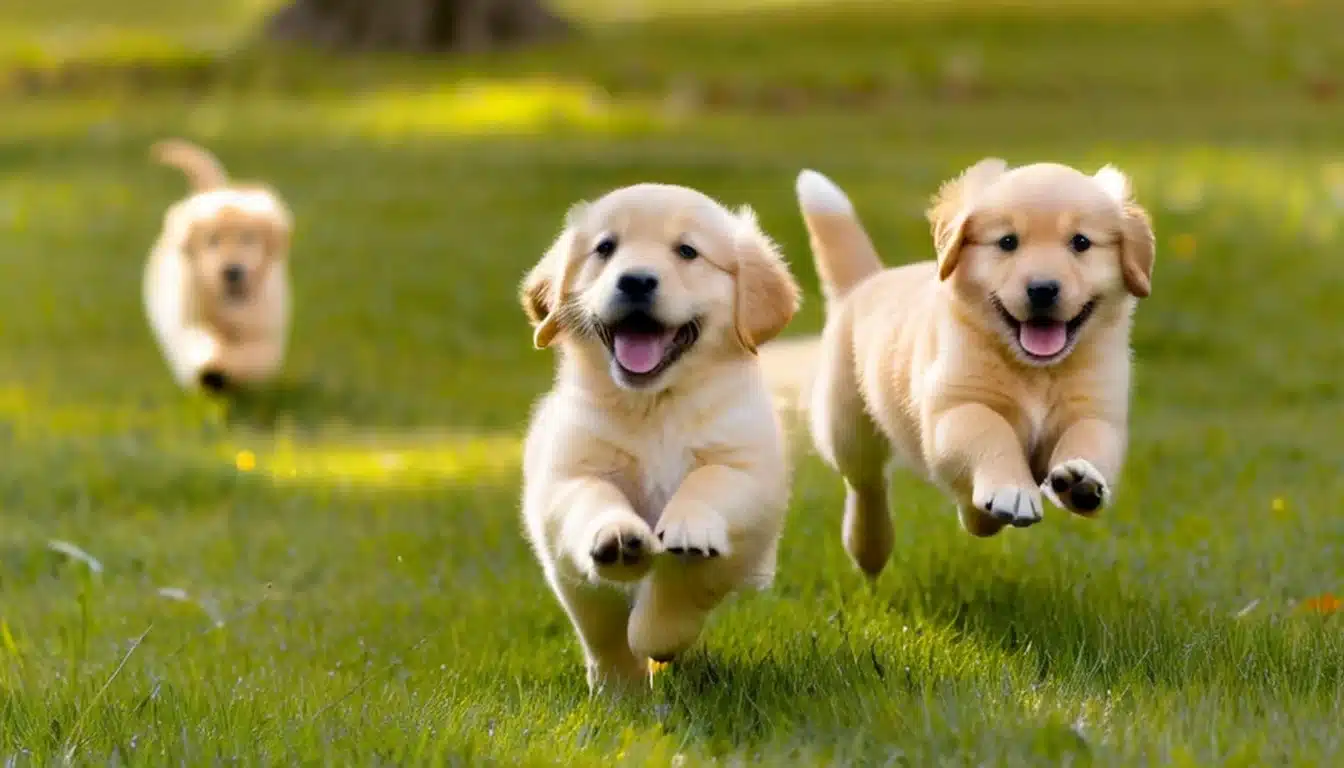
I remember my new Labrador's first steps in my living room. His nose twitched at the carpet, and his paws were unsure. This taught me that puppy social experiences shape more than just manners. They shape who your dog will be.
Early gentle exposures make a huge difference, I learned. Breeders and vets agree. I want to guide you through this journey with kind, practical steps.
This article will explain why puppy socialization is key. We'll talk about when it matters most and how breeders start early. You'll learn about at-home strategies, puppy social classes, and safe playdates.
We'll also cover training basics like an "on/off" switch. This helps your pup fit in anywhere. I'll share a socialisation checklist and a week-by-week plan for busy owners. Plus, tips for shy or reactive pups and where to find trustworthy resources.
My goal is to give you steps backed by science. I want your puppy to grow into a calm, confident friend.
Key Takeaways
- Early puppy social experiences strongly influence adult temperament and behavior.
- Breeders can begin gentle handling and exposures before puppies go home.
- Puppy social classes and structured play help build confidence and safe skills.
- Small, predictable steps at home make vet visits and grooming easier.
- A week-by-week checklist helps busy owners track progress and avoid overwhelm.
Why Puppy Socialization Matters for a Confident Companion
I believe early days shape a dog's world. The puppy socialization period is a short window when gentle, varied experiences make a lasting difference. Quality matters more than quantity. Positive reinforcement like treats and praise cements good associations and helps puppies learn what is safe and what is scary.
How early experiences shape lifelong behavior
During the first three months, the puppy socialisation period imprints reactions to people, places, and sounds. I watch for calm, confident responses when a pup meets children, hears traffic, or visits a vet clinic. Those early exposures often decide whether a dog greets strangers with curiosity or fear.
Risks of inadequate socialization according to veterinary behaviorists
Veterinary behaviorists warn that poor puppy socialization can produce long-term problems. Dogs under three years face behavior-related risks that can lead to stress, reactivity, and even relinquishment. I always recommend timely, positive exposure to reduce those chances.
Benefits: reduced fear, better manners, safer outings
Proper puppy socialization lowers fear of other dogs, strangers, and loud noises. I find puppies who get kind, varied experiences are more polite in public and easier to care for at grooming or vet visits. That makes everyday outings safer and more enjoyable for both of us.
Understanding the Puppy Socialization Period
I keep a close eye on litters and new owners in the early months. The puppy socialization period is a short but crucial time. It's when experiences shape a pup's future behavior. I focus on gentle, regular exposures and watch for signs that a pup is ready to move forward.
Timing: prime weeks and what to expect week by week
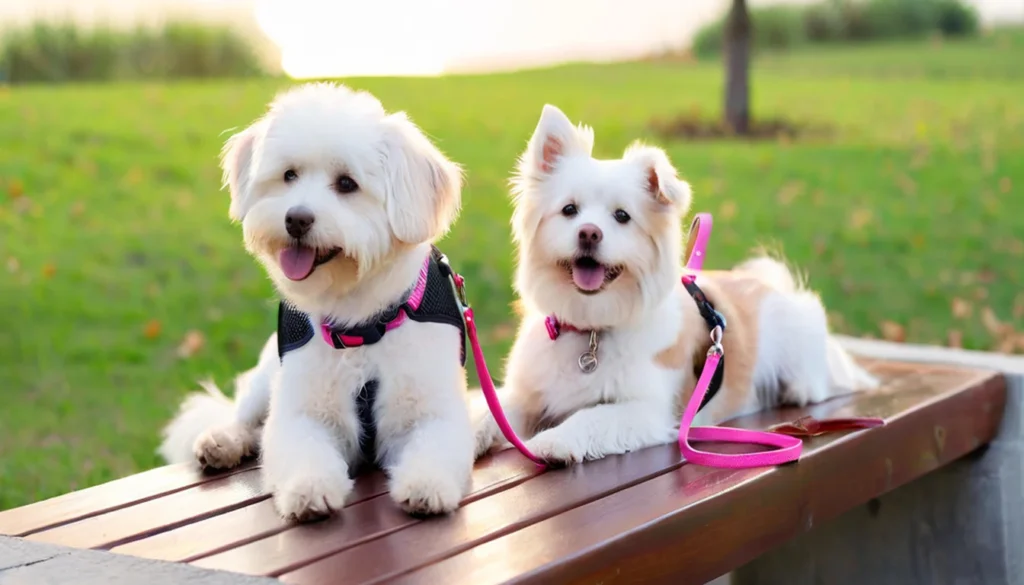
From about three weeks, the first curious approaches to people can start. Between 3–6 weeks, I recommend soft handling, new textures, and quiet crate or car introductions. These early touches help pups feel comfortable with humans.
From 6–12 weeks, the world opens up. I introduce controlled outdoor sights, varied people, calm dog interactions, and common household noises. This is the core of puppy socialization week by week.
From 12–16 weeks, learning continues. Start more public outings as vaccines allow and refine manners, recall, and an on/off play switch. Keep exposures positive and short to build confidence.
Developmental milestones between 3 weeks and 16 weeks
At three to four weeks, pups start exploring and bonding with caregivers. By six to eight weeks, they respond to gentle social cues and tolerate handling.
Between eight and twelve weeks, they show clear preferences and fears. I use brief, pleasant exposures to widen comfort zones rather than force encounters. By twelve to sixteen weeks, memory solidifies, so positive experiences carry long-term benefits.
When to slow down or seek professional help
Watch for freezing, trembling, avoidance, or escalating aggression during interactions. If a puppy shows these signs, I slow the pace and lower intensity immediately. Respecting individual limits prevents trauma.
If severe fearfulness or reactive behavior persists, I contact a veterinarian or a certified behaviorist. I follow vaccine guidance from my vet before high-risk public exposures. I also consider puppy socialization classes when group structure and trainer oversight are needed.
Creating Positive First Experiences at Home
I make my home a safe and fun place for my puppy. A calm routine helps them start socialising with confidence. Short, fun training sessions are best.
I use different surfaces for my puppy to learn balance. They explore at their own pace, and I reward them with treats. This helps them feel confident.
I also teach them about sounds in short sessions. I play recordings of different noises at low volume. When they stay calm, I increase the volume and give treats.
Simple indoor exposures: sounds, textures, handling
I gently touch their ears, muzzle, and paws for a few seconds. Then, I reward them. I also practice putting on a collar and harness briefly.
This makes vet visits less scary. I make handling predictable to help them feel secure.
Making grooming and vet prep a treat-filled routine
I introduce grooming tools one at a time. A soft brush comes first, then nail clippers, and a gentle towel rub. I reward calm behaviour and stop before they get stressed.
I also let them sniff a stethoscope and reward their curiosity. I keep these sessions short.
Respecting your puppy’s pace and avoiding overwhelm
I start with family members and then one friendly stranger at a time. I never force contact. I always provide a safe way for them to move away.
If they freeze or hide, I back off and lower the intensity. I involve everyone in the house and make new experiences fun. I keep a checklist to track progress.
I use short, frequent sessions to build on small wins. Combining at-home practice with classes makes them ready to learn. My goal is to make socialisation a part of everyday life.
Using Puppy Social Classes to Build Skills
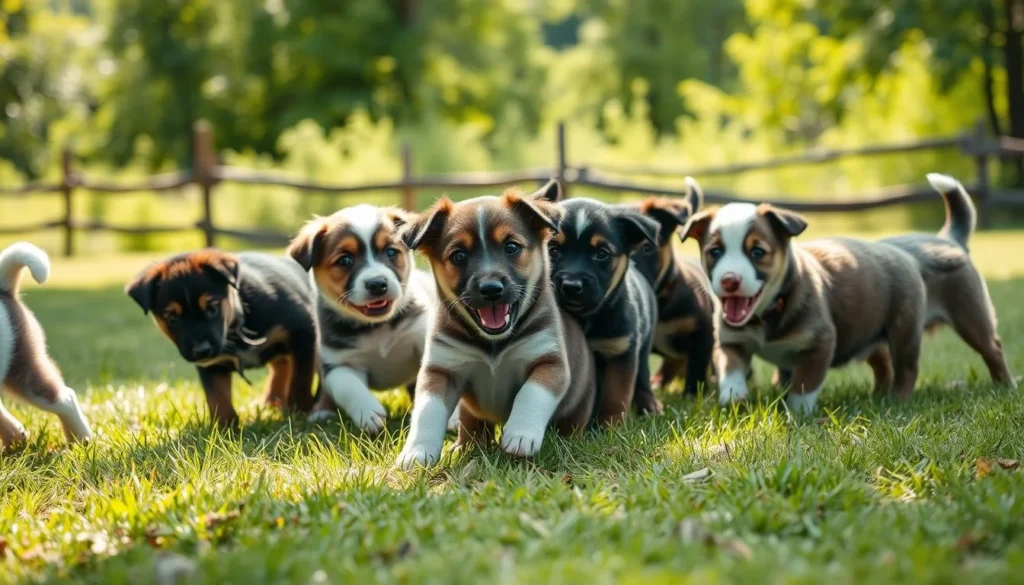
I want to help you pick classes that are safe and useful for your puppy. Puppy social classes are a great place for them to meet people, new things, and other dogs. They are supervised by trainers.
What typical lessons cover
I look for classes that teach basic commands like sit, stay, and recall. They also practice polite greetings and dog-dog interactions. This helps puppies learn to play calmly.
Classes also focus on attention and focus drills. Puppies learn to listen to their handlers even when there are distractions. They are exposed to different people, textures, and sounds.
Many programs prepare puppies for the AKC S.T.A.R. Puppy evaluation. They also lay the groundwork for Canine Good Citizen skills later on.
When vaccinations allow attendance and safety tips
Start classes after your vet says it's okay and the facility's rules are followed. Most trainers need vaccination records or vet approval before you can join.
Avoid dog parks until your puppy is vaccinated. In class, follow the trainer's rules on handling and toy use. This helps keep everyone safe and interactions calm.
How trainers structure group interactions for success
Trainers use short, predictable segments to reduce stress. They use calm adult dogs or staged pairings for introductions. I like trainers who teach owners to greet quietly to avoid over-excitement.
Positive reinforcement is key. Trainers break play into manageable parts, reinforce good manners, and teach owners about body language. This helps lessons stick in real-life situations.
| Class Element | What I watch for | Benefit for Puppy |
|---|---|---|
| Basic obedience | Short, repeatable cues: sit, stay, recall | Reliable responses in distracting settings |
| Supervised social play | Small groups, trainer mediation, calm adult role models | Safe dog-dog learning and better play manners |
| Novel item exposure | Gradual introductions to surfaces, sounds, objects | Reduced fear of everyday stimuli |
| Owner coaching | Handler skills, calming techniques, reading body language | Faster, more consistent progress at home |
| Preparation for certifications | S.T.A.R. Puppy basics and CGC groundwork | Paths to recognized titles and structured goals |
Designing Safe Playdates and Controlled Dog Meetings
I plan playdates carefully to ensure they are calm, short, and predictable. Making the right choices is key to avoiding stress. I choose a neutral spot, bring water, and keep the first meeting brief.
I pick partners that are calm, well-socialized, and vaccinated. Before meeting, I ask owners about their dog's temperament and vaccination status. I prefer adult dogs that are gentle or puppies that have interacted well with others.
I set clear rules for greetings. I ask people to ignore my pup at first so she can approach on her own. I encourage short, supervised interactions and use an on/off switch to teach alternation between play and calm behavior.
I train a reliable cue like “place” or “watch me” so my pup can pause play when I need a break. I include these steps in my puppy socialisation checklist and practice them at home between sessions.
I watch for signs that play is too intense. Continuous mounting, hard biting, nonstop chasing without breaks, prolonged yelping, freezing, or avoidance mean I step in. I separate dogs calmly, offer a leash or quiet timeout, or end the visit if needed.
I keep sessions short and scheduled, with planned breaks. I stay relaxed so my puppy picks up calm signals from me. When a playdate follows the structure I learned in a puppy socialization class, it runs more smoothly and feels safer for everyone.
Practical Puppy Socialization Checklist for Busy Owners
I keep socialization simple and doable on hectic days. Below is a compact plan I follow to cover essential exposures during the puppy socialization period. Short sessions, tiny treats, and consistent notes let me see steady progress without stressing my pup or my schedule.

Essential exposures to include in your checklist
- Surfaces: carpet, tile, hardwood, deck boards, grass, gravel.
- Household noises: vacuum, blender, doorbell, microwave beeps.
- Outdoor sights: bikes, strollers, cars, delivery drivers.
- People variety: toddlers, teens, seniors, people with hats, sunglasses, umbrellas, cane users.
- Calm, vaccinated dogs for short supervised greetings.
- Grooming tools: brush, clippers turned off, nail handling practice.
- Car rides, short crate rests, and brief controlled crowds like a quiet patio.
Week-by-week progression ideas for puppy socialization week by week
- Weeks 3–6: Gentle handling, touch all paws and ears, introduce textures at home, brief crate and car moments, soft household sounds for 30–60 seconds.
- Weeks 6–12: Short outdoor exposures, distance greetings with calm people and dogs, begin puppy class after vaccinations, practice brief walks near low-traffic areas.
- Weeks 12–16: Longer public outings, supervised play with well-matched dogs, outdoor cafe or mall visits with on/off recall practice and longer tolerance to distractions.
How to track progress and adjust goals
- Keep a daily log or a simple checklist of new and repeated exposures.
- Record reactions as calm, curious, wary, or fearful. Note context like time of day and who was present.
- Set small approach goals: 10 feet, 5 feet, then a brief greeting. Move to the next step only when your pup shows relaxed body language.
- If stress signs appear, back up to the previous step, shorten the session, and reward calm behavior with very small treats.
- Make socialization tasks fun for family and children by assigning short, timed activities like "meet someone with sunglasses" or "step on tile for 10 seconds."
I use this puppy socialisation checklist as a living tool. It helps me balance steady exposure with gentle pacing through the puppy socialization period. Small wins matter; I celebrate relaxed approaches and quiet curiosity to build lasting confidence.
Training Foundations to Support Social Skills
I help owners with the essential training for puppy social time. This makes it calm, safe, and enjoyable. Good training reduces confusion when your pup meets new people and dogs.
I start with short, frequent sessions. We learn sit, down, name recognition, and loose-leash walking. Every lesson includes polite greeting behavior.
I ask all family members to use the same cues. This helps the pup learn rules quickly and consistently.
Next, I focus on attention and recall. A simple "watch me" exercise helps the pup stay focused. I reward them with treats, then gradually add distractions.
Practice with other dogs from puppy social classes is key. It teaches the pup to choose me when it counts.
I teach the pup to switch on and off with a "place" or "settle" cue. We alternate play and calm moments. This skill is practiced in puppy socialization classes and real outings.
After puppy preschool, I suggest moving to basic obedience and advanced training. Goals like AKC S.T.A.R. Puppy and AKC Canine Good Citizen are set. Many owners find that completing puppy socialization classes opens doors to cafés, friends’ homes, and community events.
Training that supports social skills strengthens the bond between owner and dog. I stress patience and celebrating small victories. With consistent practice, a well-trained pup becomes a welcome guest almost anywhere.
Managing Special Cases: Shy or Reactive Puppies
Many owners worry when their puppy seems overwhelmed or overreactive. A calm, step-by-step plan helps most dogs adjust. I focus on safe, controlled practice that honors the puppy’s pace while targeting clear milestones from the puppy socialization period.
Gradual desensitization and counterconditioning techniques
I start by reducing the intensity of triggers and increasing the distance from them. I pair mild exposures with high-value treats so the puppy links the trigger to something pleasant.
I then shorten the gap between the puppy and the trigger over sessions. Small, consistent steps build confidence without overwhelming the dog. I never force interactions or use flooding. I add obedience cues so the puppy learns an on/off switch for play and attention.
When to consult a veterinarian or certified behaviorist
I advise owners to seek professional help if fear or aggression worsens or if the puppy risks injury. A veterinarian can rule out pain or medical causes. A certified animal behaviorist or a veterinary behaviorist can design a behavior modification plan and suggest medication when needed.
Early consultation speeds recovery for severe cases. I look for escalating reactivity, persistent avoidance, or aggression toward people or other dogs as signs that expert input is required.
Success stories and realistic expectations for adults
I’ve seen shy puppies become confident through structured, calm practice. Predictable meetings, short training sessions, and positive reinforcement change how a dog reads social cues. Puppy socialisation classes and focused at-home work often speed progress.
Older dogs can improve, though change is slower than during the puppy socialization period. I set small, measurable goals and track progress. Some adults need ongoing management rather than a quick fix. I encourage owners to celebrate steady gains and stay patient.
| Case | Key Steps | Timeline | Likely Outcome |
|---|---|---|---|
| Shy 12-week-old Labrador | Short exposures, high-value treats, puppy socialisation classes, recall games | 6–8 weeks of gradual work | Confidence in new people and calm greetings |
| Reactive 6-month terrier | Distance management, counterconditioning, on/off cue, vet consult | 8–12 weeks with professional oversight | Reduced lunging, safer walks with management tools |
| Adult rescue with fear history | Predictable routines, controlled introductions, ongoing training | Several months; steady progress | Improved coping; may need long-term strategies |
Where to Find Puppy Social Resources and Classes Near Me
I live in the U.S. and finding the right puppy social options can be tough. I look for local AKC-affiliated clubs, independent positive trainers, and community centers. They list puppy social classes on their schedules. I check safety policies, class size, and how trainers handle introductions before signing up.
I ask about trainers' credentials, like CPDT-KA or equivalent certification, and request client references. I watch one class to see if the instructor uses reward-based methods and keeps interactions controlled. I also confirm vaccination rules and any written safety protocols for a calm, secure setting.
When in-person access is limited, I use online and at-home tools. I follow staged indoor exposures with sound recordings and short handling sessions. I join virtual workshops from trusted trainers and download a puppy socialisation checklist for daily practice. I simulate outdoor stimuli at home to build confidence and avoid separation issues later.
I consider official titles for longer-term goals. I explore S.T.A.R. Puppy courses at local clubs as an early milestone. I look into AKC Canine Good Citizen (CGC) and advanced options like CGCA for off-leash public reliability. I choose programs that blend classroom time with real-world practice for varied learning conditions.
I created a quick comparison table to help me decide between nearby options. It highlights class size, trainer credentials, safety checks, and whether a puppy socialization classes syllabus or a puppy socialisation checklist is provided.
| Program | Typical Class Size | Trainer Credentials | Safety & Vaccination Policy | Includes Checklist or Syllabus |
|---|---|---|---|---|
| AKC Club Puppy Class | 6–10 pups | AKC-affiliated instructors | Written vaccine policy required | Yes, often a puppy socialisation checklist |
| Private Positive Trainer | 4–8 pups | CPDT-KA or equivalent | Small groups, enforced vaccination checks | Custom checklist and progress notes |
| Community Center Classes | 8–12 pups | Certified local trainers | May require proof of shots | Standard puppy socialization classes syllabus |
| Online Modules & Virtual Sessions | Unlimited | Veterinary behaviorists and trainers | Not applicable | Downloadable puppy socialisation checklist |
When comparing options, I consider safety, trainer approach, and support for ongoing plans. I look for places that offer clear guidance, small groups or one-on-one time, and a puppy socialisation checklist to track progress.
I recommend contacting local veterinarians, shelter trainers, or AKC clubs to find vetted instructors. I trust programs that welcome questions, share client outcomes, and explain how they manage group dynamics. This way, my pup gets the best start through puppy social classes and steady, practical practice at home.
Conclusion
I think early, positive puppy socialization is a great investment in my dog's happiness. Starting early and going at my puppy's pace helps them feel less scared and behave better. This makes outings safer for everyone.
It's not about how long they socialize, but how well. Short, calm times with treats and gentle handling help them feel friendly. I'll use this guide's ideas and checklist to keep track of my puppy's progress.
Once they're vaccinated, I'll sign them up for puppy social classes. I'll also arrange safe playdates and practice basic cues. If they show serious fear or reactivity, I'll get help from a vet or behaviorist.
By following these steps, I'm excited for more fun times with my well-trained, socialized dog. Using the checklist, attending classes, and aiming for AKC S.T.A.R. or CGC milestones will make our adventures even better.