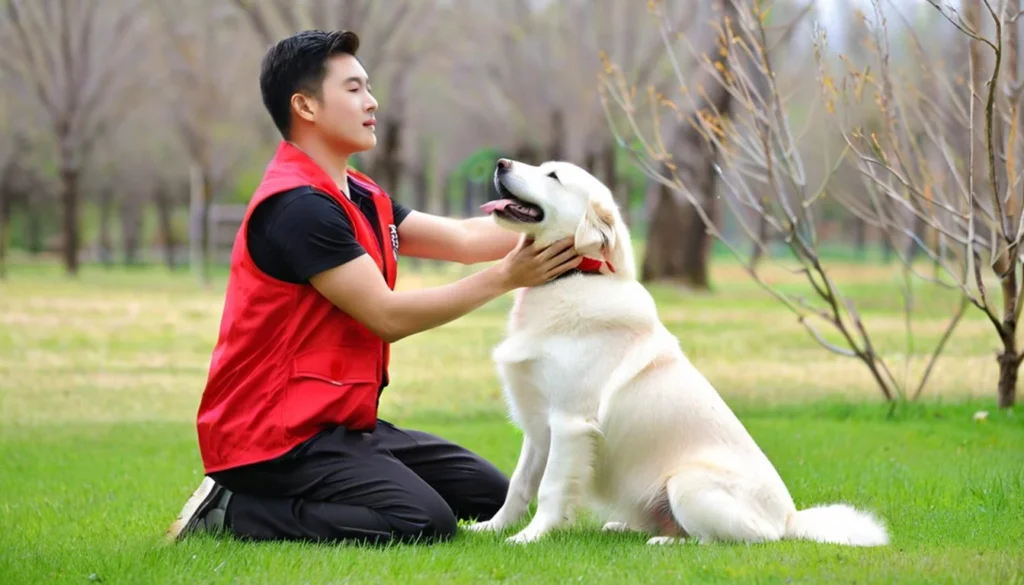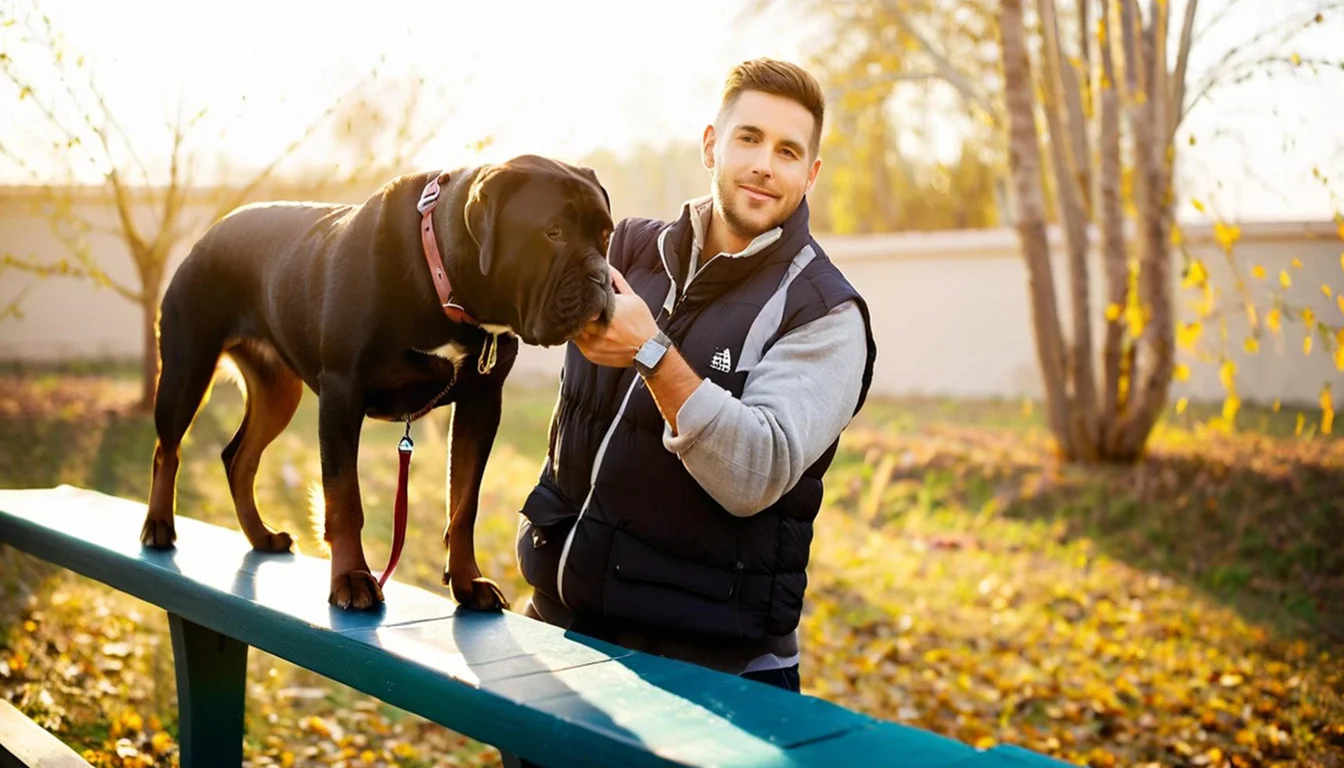
I remember the first week with my Labrador mix from the shelter. She learned "sit" in the kitchen doorway while I juggled a coffee cup and a grocery bag. This moment showed me the power of short, steady practice.
If you're wondering how many training sessions a day for a dog are helpful, you're not alone. I wanted a well-behaved companion without making training a full-time job. I learned that steady practice is better than intense sessions.
In the United States, most owners find that short, regular training sessions work best. Instead of one long weekly lesson, daily or near-daily practice is key. It builds habits and clear household rules.
From leash manners to recall, consistent training keeps learning fresh. It also reduces problem behaviors.
In this article, I'll share practical tips. I'll tell you how many sessions to aim for, how long they should be, and how to make training fun. You'll learn how to avoid overtraining and make progress without stress.
Key Takeaways
- Short, frequent sessions beat long, infrequent ones for building habits.
- Daily practice helps prevent common behavior problems and boosts retention.
- Integrate training into walks, meals, and play for real-world learning.
- Keep sessions positive and reward-based to maintain motivation.
- Adjust frequency and duration by your dog's age, breed, and energy level.
Understanding the ideal dog training frequency per day
Many people wonder how often to train a dog each day. The right amount helps dogs learn and keeps them from getting into trouble. Training a little bit each day makes rules clear and helps dogs learn new things.
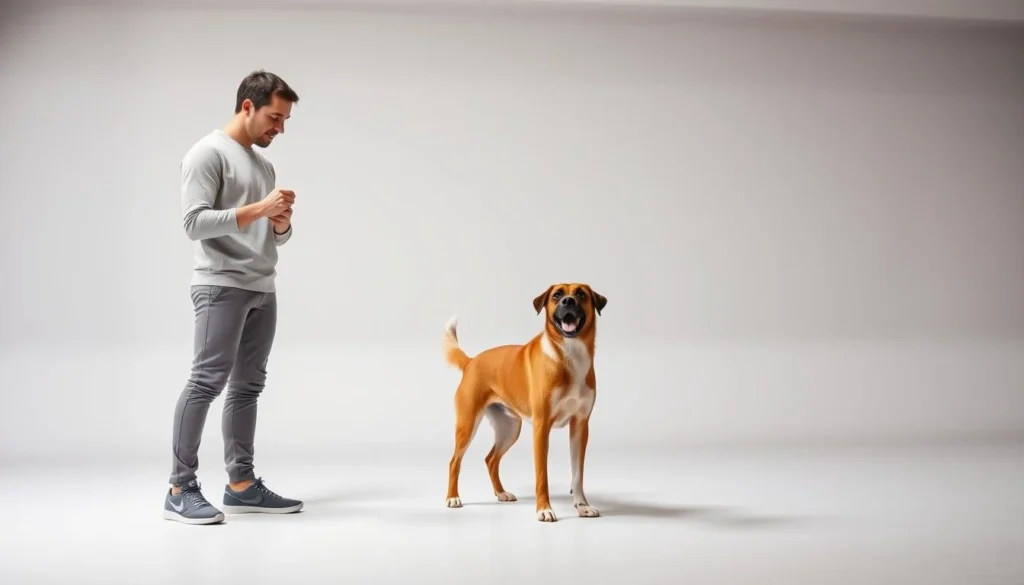
Why frequency matters for learning and behavior
Repetition and routine are key for behavior. Training a dog a few times a day helps them understand what's expected. This reduces confusion and keeps them on track.
Training often keeps a dog's mind sharp. Dogs that don't train much might make up their own rules, leading to bad habits. Regular, short training sessions keep them focused and sets clear limits.
Science and trainer observations on daily versus weekly training
Studies show different results. Some say one or two sessions a week work best, depending on the task. But many trainers I know prefer daily training because it helps dogs learn faster.
I mix science with my own experience. For most dogs, training once or twice a week is too slow. I aim for short, daily training and adjust as needed.
How frequency affects motivation, retention, and problem behaviors
Short, frequent training keeps dogs excited to learn. Long sessions can make them lose interest and get frustrated. I stop training before they get bored.
Regular training helps prevent bad behavior. The right amount of training each day reinforces rules without overwhelming them. I watch how they do and adjust training to keep them motivated.
In practice, I mix short training sessions with breaks. This helps dogs remember what they learned and keeps them eager to learn more.
how many training sessions a day for a dog
I break down practical session counts and daily examples so you can plan training that fits your dog and your life. Short bursts are better than long sessions for most dogs. Use micro-sessions during walks, play, and routine moments to keep learning fresh and fun.
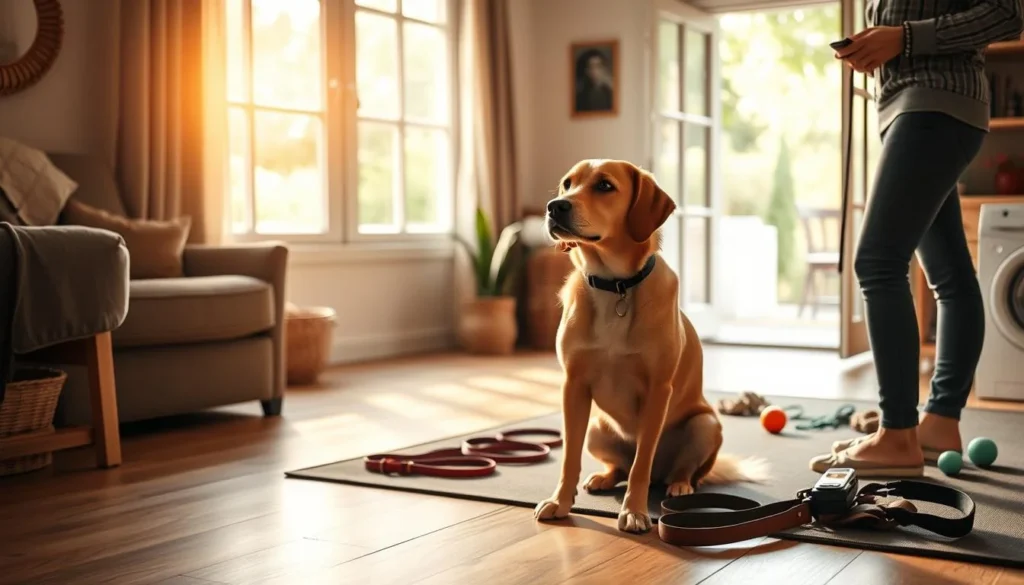
Short bursts vs. long sessions: recommended session counts
I prefer multiple short sessions over a single long one. Micro-sessions of 30 seconds to 2 minutes work well for quick cues. Short sessions of 2–5 minutes let you chain a few behaviors.
Five-minute sessions often provide enough repetition without causing fatigue. For many pet dogs, aim for 1–4 short sessions daily. That yields about 5–15 minutes of focused practice spread across the day.
For dogs still learning new skills, two focused sessions, such as morning and evening, usually outperform one long block. If you need a hard limit, consider the max dog training sessions in a day to be dictated by your dog’s attention and energy, not a fixed number.
Typical daily examples for pet dogs, working dogs, and service dogs
Pet dog (basic obedience/maintenance): I recommend 1–2 sessions of 5–10 minutes or several 2–5 minute micro-sessions woven into daily life. These are effective dog training sessions per day for most family pets.
Working and sport dogs (conditioning & skills): Expect more focused work. Several short, goal-driven sessions are common. Total daily training time can be longer, depending on conditioning needs and competition goals.
For example, a retriever may get extra half-hour running work plus skill drills.
Service dogs (intensive skill-building): These dogs follow structured daily plans with higher frequency. Training can add up to many hours across weeks during certification prep. Trainers aim for consistent, repeated practice that builds public access skills and reliability.
How to read your dog’s signals to decide when to stop
I watch for clear cues that a session should end. Stop when the dog becomes distracted, slows responses, avoids work, lies down, turns away, or yawns repeatedly. Those signs show mental fatigue or loss of interest.
Keep training if the dog shows focus, eagerness, and correct responses. When you see that, you can squeeze in a few more short repeats. Balancing what your dog can handle with the ideal dog training sessions per day helps you build progress without burnout.
Optimal number of dog training sessions daily for different goals
I create plans that fit a dog's purpose and your schedule. The right number of training sessions depends on the goal. Whether it's basic obedience, sports, or service dog training, short, focused sessions are better than long ones.
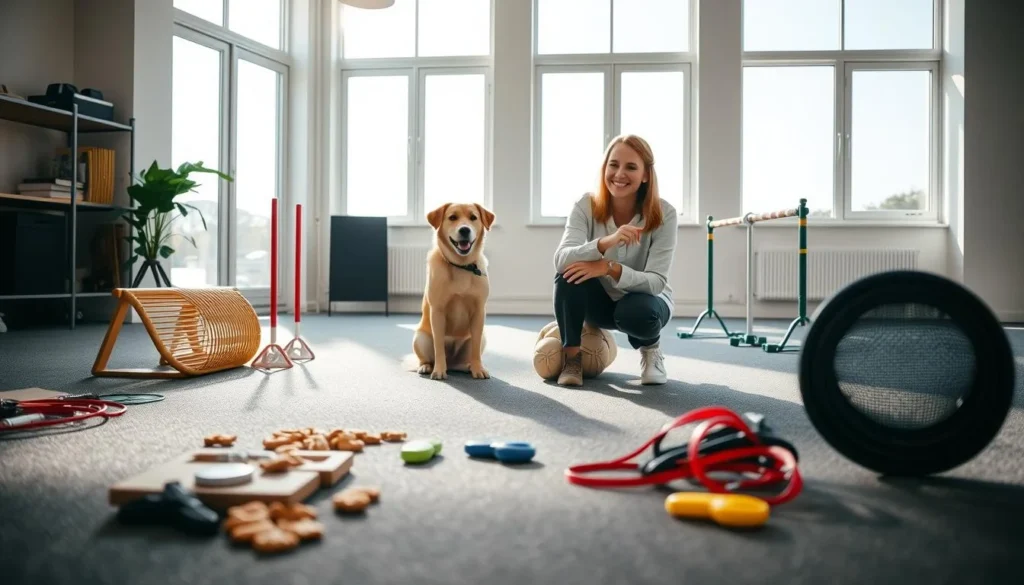
Basic obedience and manners: maintenance vs. learning phases
For puppies or new dogs learning basic commands, I suggest short sessions daily. Aim for 2–5 minute reps in the morning, afternoon, and evening.
Once they're about 90% reliable, it's time for maintenance. One 5–10 minute session daily or quick practice moments are enough. This balance keeps their skills sharp and relevant.
Advanced skills, sport, and working tasks: increasing session quality
For advanced skills like agility or scent work, focus on quality over quantity. Fewer, more focused sessions are better.
Training sessions should have focused blocks of repetitions. Even long drills can be broken into shorter efforts with breaks. This method helps build skills without overwhelming the dog.
Service dog preparation and how many hours of training for a service dog
Service dog training needs steady skill building and real-world practice. Trainers track progress with focused sessions that prepare dogs for different environments.
The hours needed for service dog training vary. It depends on the dog, tasks, and program. I focus on frequent, purposeful sessions and gradual exposure. This way, each hour adds to their competence.
How long each training session should be
I keep session length simple so owners can apply it daily. Short, clear bursts work best for learning and focus. Below I explain micro, short, and extended sessions and how to match them to your dog’s age, breed, and the task at hand.
Recommended durations
Micro sessions (30s–2min) are perfect for puppies and quick reminders. Use them during walks or before feeding to reinforce one tiny cue.
Short sessions (2–5min) are my go-to for most owners. They hit the sweet spot for attention and learning, so you get the best return on time invested.
Extended sessions (5–15min) suit dogs building stamina or tackling complex tasks. I split long drills into smaller blocks with brief breaks to prevent fatigue.
Adjusting session length by age, breed, and task
Puppies and senior dogs need very short bursts because attention and stamina vary. I often suggest more frequent micro sessions for these groups.
High-energy breeds and working dogs can handle longer or more frequent work, but I make sure they have mental rest periods between drills.
Independent scent hounds and stubborn breeds often need extra repetitions. I tailor reward value, pace, and breaks to keep them engaged.
Signs a session is too long or too short
Stop when your dog quits responding, lies down, yawns repeatedly, sniffs away, or avoids the task. Those are clear cues a session has run past its useful length.
If your dog remains eager and responsive at the end, the session was likely too short. I recommend gradually extending time, chaining two behaviors, or increasing difficulty to challenge them.
I balance recommended dog training frequency daily with the dog’s mood and energy. That keeps training productive without wearing the dog out.
| Session Type | Duration | Best for | How I use it |
|---|---|---|---|
| Micro | 30s–2min | Puppies, quick cues, daily repetitions | Five to ten short reps across the day to build habit |
| Short | 2–5min | Basic obedience, most pet dogs | Two to four focused sessions; ideal dog training sessions per day often fall here |
| Extended | 5–15min | Complex tasks, sport, working dogs | One or two blocks with breaks; track signs of fatigue and pause as needed |
For practical planning, aim for effective dog training sessions per day that match your schedule and the dog’s needs. When in doubt, end on success to keep motivation high for the next session.
Daily dog training session quota and scheduling tips
I suggest short, frequent training sessions to keep learning fun. Aim for 5–15 minutes of training daily. This fits busy lives and is good for most dogs.
Short sessions help with memory. Practice in the morning, at noon, and evening. This helps your dog learn without getting tired. The right number of sessions depends on your dog's age and what you're teaching.
Spreading short sessions throughout the day for better retention
Use short drills during play or breaks. This keeps skills sharp. Make each session focus on one thing to avoid confusion.
Using mealtimes, walks, and everyday interactions as training opportunities
Turn daily routines into training. Use small portions of kibble during meals for good behavior. On walks, ask for sits and polite walking.
Designing a 5-day training week with planned rest days
Plan a 5-day training week with 2 rest days. Rest days help your dog process what they've learned. On these days, do quick checks to keep skills sharp.
Adjust your schedule based on how your dog is doing. If they're excited, you can do more. But watch for signs of tiredness and reward small wins.
How many training sessions does a dog need to learn a skill
I help owners understand how many training sessions a dog needs to learn a skill. It's all about the details. Age, breed, past training, and environment all play a role in how fast a dog learns.
Puppies learn quickly but in short periods. Older dogs learn best with calm, spaced-out practice. A dog's personality also matters. Some breeds, like Border Collies, pick up cues fast. Others, like scent hounds, might need more time and different rewards.
Factors that influence number of repetitions and sessions
When figuring out training sessions, I consider age, personality, and past training. Young dogs might need several short sessions a day. Older dogs might do better with fewer, more focused sessions.
Trainer skill and distractions also affect learning. I use positive steps, high-value rewards, and controlled distractions to help dogs learn faster. Dogs with a strong foundation usually need fewer repetitions than those starting from scratch.
Typical timelines: teaching basics vs. complex behaviors
Teaching basics like sit or down can start in one day. But, consistency in different places takes weeks. Most trainers agree that six weeks is a good time to build a solid foundation.
Complex skills, like off-leash recall or advanced sports, take months. I recommend regular practice with breaks. This approach helps dogs remember and keeps both dog and handler happy.
Measuring progress and knowing when to move to maintenance
I move a behavior to maintenance when it's consistent and reliable in various situations. Aim for about 90% correct responses with some distractions before reducing sessions.
Use clear markers like correct responses in a row, success with simple rewards, and performance with different people. Once a behavior is solid, maintenance can be brief daily refreshers or a few short sessions a week.
| Goal | Typical session length | Daily sessions | Estimated weeks to reliable |
|---|---|---|---|
| Introduce basic cue (sit, down) | 2–5 minutes | 3–6 short sessions | 2–6 weeks |
| Generalization across places | 5–10 minutes | 2–4 focused sessions | 4–8 weeks |
| Recall in distractions | 5–15 minutes | 2–3 targeted sessions | 8–24 weeks |
| Advanced sport or working task | 10–20 minutes | 1–3 high-quality sessions | 3–12 months |
Training rewards and treat limits during frequent sessions
I keep reward plans simple for effective and safe training. I think in calories, not counts. Many owners wonder how many treats a day without weight gain. There's no one-size-fits-all answer.
I track treats as part of daily food. When planning a session, I remove kibble to keep calories balanced. This answers how many treats a day without overfeeding.
Small, low-calorie treats or tiny kibble stretch rewards. I mix incentives to avoid overfeeding. This keeps sessions fun and balanced.
How I vary rewards
- I alternate food with play like tug or a quick fetch.
- I give access rewards, such as letting the dog go through a door or hop onto the couch.
- I use praise and brief petting for behaviors the dog already values.
- I offer high-value toys for proofing difficult skills.
Using these alternatives reduces treat reliance. I find what motivates each dog. Some love toys, others a brisk walk.
Practical calorie management
I divide meals into small portions and carry them in a treat pouch. This keeps intake neutral during sessions. I log treats if weight control is a concern.
When owners ask about treat safety, I explain calorie budgeting. Replace kibble with rewards instead of adding food. This prevents unwanted weight gain.
Varying rewards improves learning and generalizes behaviors. I change types and sizes to keep interest. Tracking intake helps know the right amount for your dog.
Common mistakes and how to avoid overtraining
I see owners pushing their dogs too hard. This can lead to frustration for both. It's important to know when your dog is tired to keep training positive and effective.
Many owners make the same mistakes. They try to fit too much into one session. Others keep repeating cues even when the dog stops responding. These actions slow down learning and can cause dogs to avoid training.
Here are signs your dog might be tired or bored. Look for yawning, lying flat, turning away, or not responding to cues. If your dog avoids the training area or shows sudden disinterest, it's time to stop and try again later.
Short, fun sessions are best. Spaced-out practice helps your dog remember better than long, intense drills. Set a max number of training sessions a day based on your dog's age and activity level.
It's important to balance firmness with patience. Be consistent with cues and rewards. If your dog ignores you, use calm corrections. Reward-based methods build trust and speed up learning without stress.
If your dog shows signs of stress, aggression, or severe anxiety, seek help. A certified trainer or veterinary behaviorist can help. They can diagnose issues and advise on the right number of training sessions a day.
Below is a quick reference comparing common dog training mistakes and simple fixes you can apply right away.
| Common mistake | What it looks like | Quick fix |
|---|---|---|
| Too-long sessions | Dog loses focus, yawns, lies down, stops responding | Switch to multiple short bursts throughout the day; set a reasonable max dog training sessions in a day |
| Repeating cues endlessly | Dog freezes or walks away after repeated prompts | End on a successful repetition; repeat later in a fresh session to avoid overtraining dog |
| Inconsistent cues | Confused responses, slow learning | Use the same words and timing; reward correct responses immediately |
| Using aversive methods | Raised stress, avoidance, fear-based behaviors | Switch to reward-based training and consult a professional if fear persists |
| Ignoring stress signals | Progress stalls, signs of learned helplessness or anxiety | Recognize fatigue early, shorten sessions, or pause training until the dog is ready |
Conclusion
I suggest doing many short training sessions instead of one long one. Most dogs do well with 2–10 minute blocks throughout the day. This method helps them remember better, stay motivated, and makes training easier to keep up with.
Be careful with rewards to avoid extra calories. Use kibble, tiny treats, or play to reward them. Keep track of how much you give out to prevent weight gain. Training every day or most weekdays is good, with rest days to avoid mental tiredness.
Pay attention to your dog and stop when they lose interest. Move to maintenance when they perform well in different places. Start small, build a routine that fits your life and your dog’s needs. If you need help, consider a professional trainer for a customized plan or to tackle tough behaviors.