I remember the first week with my Labrador mix well. Those sleepless nights and the smell of the yard in our laundry were tough. But the small victories made it all worth it. They taught me patience and answered a question I often get: how long does house training a dog take?
In this article, I'll share realistic timelines and practical steps. I'll explain how to set a schedule, supervise closely, and use positive reinforcement. Crate training and confinement are also key, as is knowing when to look for medical issues if progress stalls. Dr. Jerry Klein at the American Kennel Club says many puppies show big progress in a few months. But, full reliability can vary a lot.
Some puppies make big gains in weeks, while many dogs need months. Often, it takes 4 to 6 months for dependable results. Small or rehomed dogs might take even longer, up to a year. My approach is friendly and hands-on. I'll share tested routines and a clear time frame for dog potty training. This way, you can track progress and know when to ask for help.
Key Takeaways
- House training a dog usually shows progress within weeks but often requires 4–6 months for full reliability.
- Establishing a consistent schedule and close supervision speeds up dog house training duration.
- Crate training and positive reinforcement are core tools to shorten the time frame for dog potty training.
- Medical problems can mimic training issues—check with a vet if progress stalls.
- Individual factors like age, breed, and prior rearing influence how long does house training a dog take.
Understanding the Basics of House Training and Potty Training Timeline
I explain the core ideas behind house training so you know what to expect. A clear plan reduces stress for you and your dog. Routines teach where and when to eliminate, protect carpets and floors, and help a puppy feel safe in a home.
I break the process into milestones you can watch for. This makes the housebreaking timeframe for dogs easier to track. It also gives you small wins that keep training on course.
Why house training matters for your dog and home
House training creates predictable patterns that reduce accidents and anxiety. Dogs that learn a consistent routine socialize better and are less likely to chew or hide when startled.
Good training protects your home and belongings. With steady cues and rewards, the duration of house training for dogs shortens because the dog learns what you expect.
Typical milestones in the housebreaking process
The first milestone is the cue-to-potty link, which often forms in days to weeks. Next comes reliable elimination outside while supervised, usually within a few weeks.
After that, you should see fewer daytime accidents and longer hold times around two to four months. Many dogs reach dependable house manners at four to six months or longer, depending on the individual.
How breed, age, and prior experience affect the timeline
Small-breed puppies often need more frequent outings because they hold less urine. Large breeds sometimes control their bladder earlier, yet they still need consistent practice.
Rescued or rehomed dogs may arrive with kennel habits and need extra time to learn home rhythms. Breeders who crate-train pups can reduce puppy house training time when a pup arrives already conditioned.
| Factor | Typical effect on timeline | Practical tip |
|---|---|---|
| Breed size | Small breeds: more frequent accidents; Large breeds: longer holds sooner | Schedule more short outings for small dogs; use consistent feeding times for large dogs |
| Age | Puppies: potty many times daily; Adults: often learn faster with routine | Track patterns and adjust outing frequency by age |
| Prior experience | Kennel or shelter dogs may need extra time to adapt | Use predictable cues and gentle supervision to speed adjustment |
| Training method | Crate-trained pups often show quicker progress | Maintain crate routines and reward correct eliminations |
| Daily routine | Consistent meals and outings shorten the housebreaking timeframe for dogs | Potty after waking, meals, naps, play; pick one potty spot |
how long does house training a dog take
Many people wonder how long it takes to house train a dog. The answer varies. Some puppies learn quickly, while others take longer. Generally, it can take four to six months for most dogs to learn.
However, some dogs might need up to a year to be fully reliable. These time frames are a good starting point for your training plan.
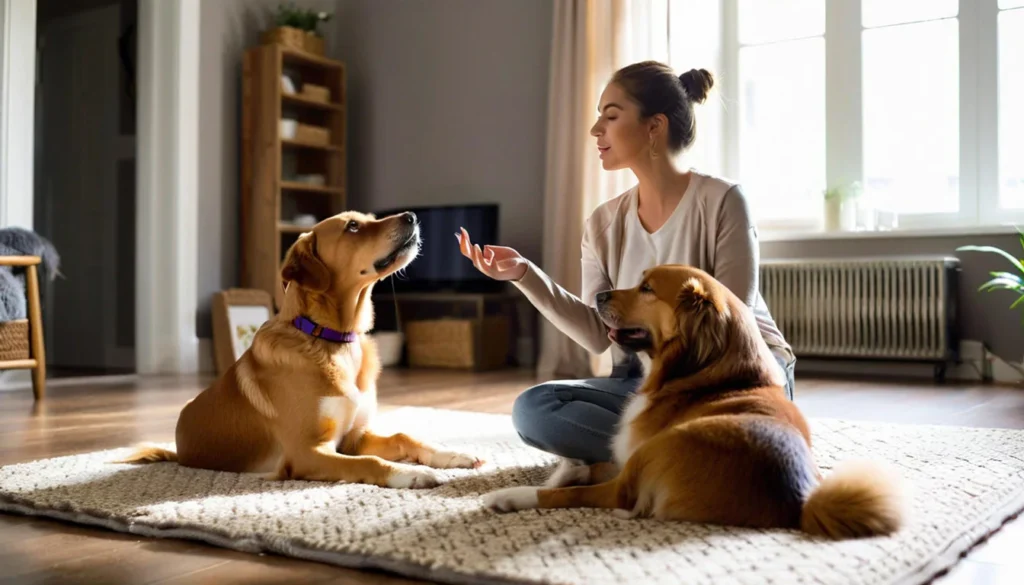
Realistic time frames: from a few weeks to several months
Training a dog is a journey with different stages. Early on, dogs learn to associate meals and outings with going outside. This can take two to six weeks.
By four to six months, a consistent routine and rewards can lead to steady progress. Some dogs might still have accidents, but these should be rare by this time.
Factors that speed up or slow down progress
Several things can affect how fast a dog learns. A strict schedule, regular outings, and treats can help. Having a set potty spot and using a crate also aids in training.
Small breeds and dogs with unpredictable routines may learn slower. Stress, fear, and inconsistent supervision can also slow progress. Keeping a routine and rewarding good behavior helps both the dog and the owner.
When medical issues could be delaying house training
Accidents can sometimes be a sign of a health problem. Issues like urinary tract infections or gastrointestinal problems can cause setbacks. If your dog's training isn't improving, it's a good idea to have them checked by a vet.
| Stage | Typical Timeframe | Common Influencers |
|---|---|---|
| Initial learning | 2–6 weeks | Frequent outings, immediate praise, consistent cues |
| Reliable outdoor elimination | 4–6 months | Feeding schedule, crate use, designated potty spot |
| Near-complete consistency | 9–12 months | Breed size, supervision quality, prior experiences |
| Medical delay check | When accidents persist | UTIs, GI issues, endocrine disorders; vet evaluation recommended |
Daily Routine: Establishing Consistent Potty Breaks to Shorten Duration
I've set a daily routine to make puppy house training faster. I do the same steps every day to help my pup learn. Each trip outside is short and focused, helping them quickly connect the action with the reward.
Wake-up potty break routine and why it matters
I take my puppy outside right after waking. No waiting for coffee or chores. This first trip is a reliable morning cue that helps them learn quickly.
I always use the same door and walk to the same spot. Standing quietly and using a short cue word helps them connect waking, going outside, and eliminating.
Potty breaks after meals, water, naps, and play sessions
I treat water like a meal and plan outings 5–30 minutes after eating or drinking. Naps are like mini-mornings, so I take them out right away. Play can make them need to go; I watch for signs and take them outside fast.
Following this pattern helps the puppy learn to expect outings. This makes the time for dog potty training shorter. I reward them immediately after they go, keeping the connection strong.
Using a consistent route and designated potty spot
I always take the same route and use one spot for potty breaks. Waiting up to five minutes lets them sniff and go without pressure. A consistent spot helps them learn faster.
I feed on a schedule to help with potty timing. A predictable feeding plan makes it easier to know when they need to go. I check with my vet for the right meal timing for my puppy.
Crate Training and Confinement: Tools to Manage Housebreaking Duration
I use a crate to help manage my dog's house training. A crate is like a cozy den for dogs. It helps them avoid soiling their sleeping area. This limits roaming and creates predictable times for potty breaks, teaching bladder control.
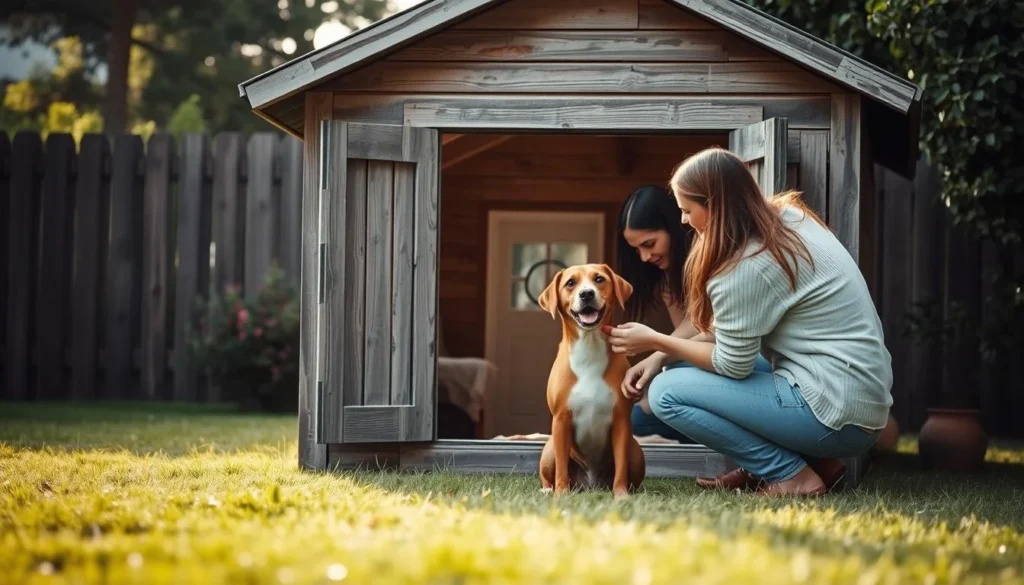
To estimate safe daytime hold times, I use the month-plus-one rule. For example, a 3-month-old puppy can usually hold it for about 4 hours. This rule fits into a broader timeline for dog toilet training, with short outings and consistent feeding.
It's important to watch for signs that a crate is too long. Young puppies need more breaks than adults. Overcrating can lead to accidents in the crate, slowing down house training.
Keeping the crate near my bedroom helps me hear my puppy's whimpers at night. This makes it easier to take them outside for a quick potty trip. It helped shorten my dog's toilet training timeline.
When choosing a crate, I look for one that allows the puppy to stand, turn, and lie down. A crate that doesn't have extra space for a separate toilet corner is best. This helps teach bladder control and shortens house training duration.
Here’s a compact comparison to guide crate timing and placement decisions.
| Age | Month-Plus-One Max Hours | Daytime Crate Advice | Nighttime Placement Tip |
|---|---|---|---|
| 8 weeks | 2 hours | Very short supervised sessions, frequent breaks | Crate in bedroom to respond quickly to whines |
| 3 months | 4 hours | Use play and potty schedule to reinforce patterns | Near bed for overnight checks and prompt outings |
| 6 months | 7 hours | Longer crate periods okay with mid-day break | Bedroom placement still helpful until consistent nights |
| 12 months | 13 hours | Adult schedules allow longer confinement with exercise | Bedroom placement optional if sleeping through night |
Training Techniques and Reinforcement to Reduce Housebreaking Time
I teach dogs with short, clear steps that build good habits fast. My goal is to shorten the time you ask how long does house training a dog take. I use cues, rewards, and gentle management to help.
I use a short cue word like “go potty” or “busy” as the puppy begins to eliminate. Praise the moment the job finishes and give a small treat right away. This links the action and the cue, cutting the time frame for dog potty training because the dog learns the expected response quickly.
Timing treats and play matters. I reward promptly with a treat and then a couple minutes of play after a successful outdoor potty. Avoid taking the puppy straight back to a crate or confinement. If the reward ends the fun, the pup may learn pottying finishes play, which slows puppy house training time.
I often teach a door bell routine. Ring a bell each time you leave, then encourage the puppy to nudge it. When the puppy rings before going out, praise and step outside immediately. This builds a reliable signal so you get earlier alerts and fewer indoor accidents.
Supervision and management keep progress steady. I watch for circling, sniffing, or sudden stillness and use a short leash or confinement to prevent mistakes. Standing quietly outside for up to five minutes helps a puppy focus and complete the task, improving the overall time frame for dog potty training.
My reinforcement strategy increases success rates by scheduling frequent outings and rewarding every correct potty. More successes than accidents speed learning. I never use punishment because it creates hiding behaviors and stalls housebreaking progress.
| Technique | How I Use It | Effect on Timeline |
|---|---|---|
| Cue Word | Say “go potty” as elimination starts, praise after | Speeds association, shortens how long does house training a dog take |
| Treat + Play Timing | Give a treat immediately, then 2–5 minutes of play | Reinforces correct behavior, reduces puppy house training time |
| Bell Training | Ring bell on exit, encourage contact, praise when used | Improves communication, lowers indoor accidents |
| Supervision & Management | Use leash or confinement, watch for cues, brief outdoor waits | Prevents mistakes, shortens time frame for dog potty training |
| Positive Reinforcement | Frequent outings and immediate rewards; no punishment | Increases success ratio and accelerates learning |
Managing Accidents Gracefully to Keep Progress on Track
I know accidents will happen while you work through a housebreaking timeframe for dogs. Keeping calm and consistent helps your dog learn where to go. Quick, gentle handling and reliable cleaning prevent scent cues that invite repeat mistakes.
I avoid yelling or physical correction because punishment teaches hiding behaviors. When a puppy learns to hide before eliminating, accidents increase out of sight and training stalls. I focus on prevention and redirection to maintain trust and steady gains.
When I catch an accident in the act, I stop the behavior with a short, neutral sound like “uh-oh,” then carry the dog outside to finish. If the puppy completes elimination outdoors, I praise and reward immediately. This immediate action supports an accurate estimate for dog house training and links the correct location with a positive outcome.
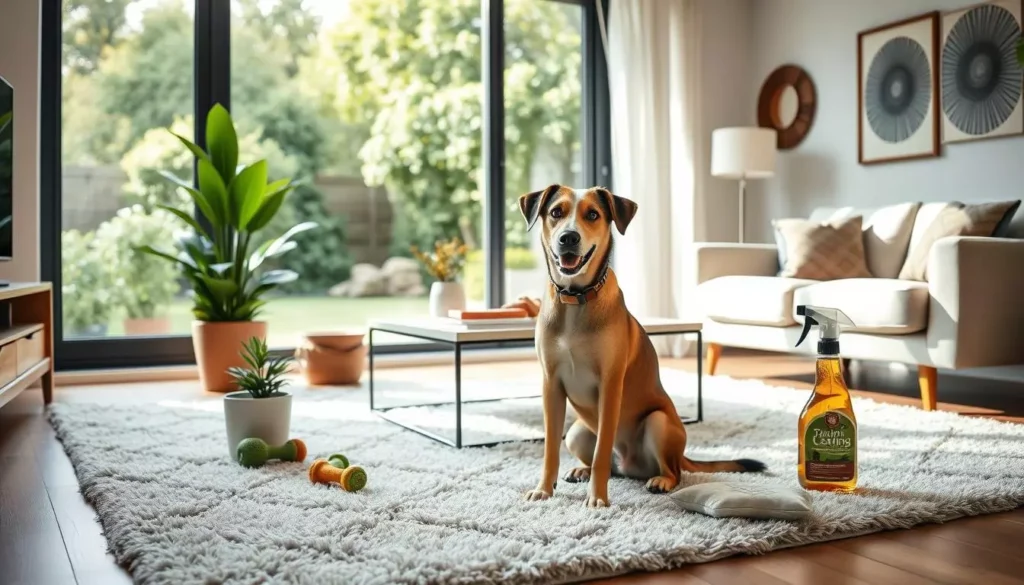
I follow strict cleaning protocols after indoor accidents. I use enzyme cleaners such as Nature’s Miracle or Skout’s Honor to remove odor molecules that can draw a dog back to the same spot. After cleaning, I do a sniff-check to be sure no scent remains. That step reduces the risk of repeat incidents and shortens the duration of house training for dogs.
Prevention measures I use include increased supervision, confinement when I can’t watch closely, and adding potty breaks at predictable times. I track patterns with a simple chart so I can forecast likely accident windows. This tracking makes the overall housebreaking timeframe for dogs easier to manage and gives a practical estimate for dog house training progress.
| Situation | Immediate Step | Follow-up |
|---|---|---|
| Accident caught in the act | Say a neutral cue, carry outside to finish | Praise and reward if completed outside |
| Accident discovered after the fact | Do not punish; calmly clean area | Use enzyme cleaner, perform sniff-check |
| Frequent accidents at certain times | Add potty breaks and supervise more | Log times to refine your training chart |
| Puppy hides to eliminate | Increase visibility and confinement | Rebuild trust with short, positive outings |
Potty Training for Different Ages and Sizes: Duration of House Training for Dogs
I help you understand what to expect for your dog's potty training. The time it takes to train a puppy depends on its size, age, and personality. I'll share typical training times, special needs for older dogs, and how a dog's body affects training.
Small breeds need extra attention because their small bladders and fast metabolisms mean they need to go out more often. For many small dogs, it can take longer than four months to be fully reliable. Owners should expect accidents early on and make sure to take them out often.
Medium and large breeds usually get bladder control a bit sooner. The month-plus-one rule is a good starting point, but consistent schedules are more important than breed. With regular routines, many dogs show good progress by six months.
Working with older dogs is like starting with a new puppy. They may not have a routine and could have stress or health issues. I set a clear toilet area, fixed feeding times, and frequent walks to help them trust and learn.
Puppies can urinate up to a dozen times a day in the first weeks. I suggest owners track their puppy's patterns and adjust their schedule accordingly. This way, they can answer the question of how long it takes to house train a dog.
How long a dog can hold urine depends on its body. Bladder size and metabolism affect training time. I use this knowledge to create personalized schedules and explain why training time varies.
I've put together a table to help compare the effects of age and size on training. It's a quick reference for planning potty breaks and tracking progress.
| Age / Size | Typical Time to Reliability | Key Notes |
|---|---|---|
| Puppy (Small breeds) | 4–12 months | Frequent potty breaks; faster metabolism; expect more accidents |
| Puppy (Medium/Large) | 3–6 months | Often gains control sooner; consistent schedule speeds progress |
| Adult/Rescue | Variable: weeks to months | Must relearn home cues; check for medical issues and stress |
| Senior Dogs | Variable; may need long-term management | Lower bladder control possible; medical review recommended |
I recommend tracking progress and making adjustments as needed. It's natural to wonder how long it takes to house train a dog. My approach shows that by monitoring, being patient, and making small schedule changes, you can shorten the training time for most dogs.
Nighttime Strategies and How Long to Train a Puppy to Go Potty Outside at Night
I keep nighttime routines simple and calm to help puppies learn bladder control. Small changes in feeding and water timing cut down accidents. I place the crate near my bedroom so I can hear any signals and respond quickly.
Setting a last-meal cutoff and nighttime water considerations
I stop feeding about two hours before bedtime to reduce overnight elimination. I leave water available but limit large late-night drinks. This balance keeps puppies hydrated and lowers the chance of messes.
How often you may need to get up at night by puppy age and size
In the first weeks, I expect one or two nighttime trips for medium and large breeds. Toy and small breeds may need more frequent outings because of smaller bladders. I track patterns so I can predict wake-ups and shorten the dog house training duration.
Transitioning to sleeping through the night without accidents
I move the night outings later as bladder control improves. Some pups dry through the night in a week or two. Others need several months before they are fully reliable. This mirrors the typical time frame for dog potty training and depends on age and breed.
I carry the puppy to the potty area quietly, keep rewards low-key, and return straight to sleep. When a pup wakes on their own, I take them out immediately to reinforce good habits. These small steps shape steady progress in how long to train a puppy to go potty outside.
Practical Schedules and Charts to Track Dog House Training Duration
I keep simple records to spot patterns and make better choices. A clear potty chart helps me learn when my dog needs to go. This way, I can plan outings and avoid accidents. Tracking feeds, naps, and elimination times builds a usable dog toilet training timeline I can rely on.
I use a printable chart or an app to log each potty break. I note time, location, and whether it was inside or outside. This small habit gives me an accurate estimate for dog house training and shows progress over days and weeks.
I set feeding windows to create predictable elimination times. Regular meals let me take puppies out 5–30 minutes after eating. I check with my veterinarian about age-appropriate feeding frequency so the schedule matches my pup’s needs.
I use timers and phone alarms to stay consistent. For very young puppies I set reminders every 30–60 minutes while I’m home. A reliable alarm reduces missed outings and lowers the chance of accidents.
Below is a practical routine I follow. It is easy to adapt by puppy age and household needs. The chart helps me answer how long does house training a dog take for my specific situation.
| Time | Activity | Goal |
|---|---|---|
| Wake-up | Immediate potty outside | Start day with a successful elimination |
| Breakfast | Feed, then 5–30 min potty break | Link eating to predictable elimination |
| Every 1 hour while supervised | Short outdoor outings or timer reminders | Reduce accidents and reinforce routine |
| After naps and play | Immediate potty trips | Catch natural elimination windows |
| Last meal cutoff (~2 hours before bed) | Finish feeding, limit water | Lower overnight accidents |
| Pre-bed | Final potty outside | Encourage uninterrupted sleep |
| Overnight checks | As needed for young puppies | Prevent late-night accidents and teach holding |
I check my chart weekly and adjust timings when patterns appear. That method gives me a clearer estimate for dog house training and helps me answer how long does house training a dog take in practical terms.
Keeping these small steps steady shortens the overall dog toilet training timeline, and it makes daily life easier for both of us.
Common Roadblocks and When to Seek Veterinary or Professional Help
Owners often get frustrated when progress stalls. Small setbacks are normal, but some patterns may indicate deeper issues. I use a checklist to tell if it's a training problem or a medical issue.
Medical issues that mimic training problems (UTIs, GI issues)
Sudden indoor accidents might mean a urinary tract infection or other health issues. If a reliable dog starts leaking or straining, a vet visit is a good idea. Dr. Jerry Klein and many vets say check for infections first, not just training failure.
Look for signs like painful urination, blood in the urine, or sudden appetite changes. These signs mean medical care is urgent, not just training.
Regression causes and how to troubleshoot setbacks
Regression often happens with big changes like a move or new baby. Changes in routine or feeding can also cause setbacks. I use potty charts to track accidents and add more outings during tough times.
Stress, fear, and aging can also affect a dog's behavior. I stick to strict routines, praise successes, and limit freedom until they're consistent. This helps me figure out if it's a behavior or health issue.
When to consult a trainer or veterinarian for a tailored plan
If accidents happen daily after weeks of effort, it's time to seek help. Look for sudden changes, painful urination, or no progress by six months. A certified dog trainer or vet behaviorist can help.
They'll create a plan that includes behavior changes, diagnostics, and follow-ups. This can shorten the housebreaking time for dogs.
To know when to seek help, watch for ongoing patterns, sudden health signs, or no progress. Quick action keeps your dog healthy and helps them learn to go potty outside.
Conclusion
Many people wonder how long it takes to house train a dog. The answer is simple: it changes. Some puppies pick it up quickly, while others might need 4–6 months. Small dogs or those adopted later might take up to a year.
The time it takes depends on several things. These include keeping a regular schedule, watching your dog closely, and using a crate. Also, feeding times and giving rewards on time play a big role.
Stick to a routine and use helpful tools like a potty chart. The month-plus-one rule for crate time and enzyme cleaners for accidents are useful. Remember, don't scold your dog for accidents. Instead, use positive words, praise, and short walks to encourage them.
If your dog's training slows down, check for health issues like UTIs. If needed, get help from a professional trainer for a plan that fits your dog's needs.
Begin a consistent routine today and watch your dog's habits. Be patient and use a mix of training methods. With the right approach, house training becomes a successful partnership, leading to a well-trained dog.