I remember the first week with my Labrador, watching him tumble around. I thought, "How long will this take?" Training a dog is a daily journey, not a quick fix. It starts with potty training at eight weeks and grows to steady recall at six months.
Carol Lea Benjamin's story with her Border Collie shows training never ends. I've seen it too: even older dogs need adjustments for arthritis or new family members. So, the real answer to how long dog training takes is a mix of quick wins and ongoing learning.
Basic commands like sit, down, and stay are a good start. The time it takes to train a dog depends on the commands, consistency, and rewards used. Short, focused sessions of 10–15 minutes several times a day are usually best for most dogs.
Key Takeaways
- Dog training duration varies by age, breed, and health; it's often a lifelong process.
- Puppies learn fastest between 6–16 weeks; short, frequent sessions work best.
- Basics form the timeline for dog training—consistency and clear cues speed progress.
- Expect early wins in weeks, stronger reliability by months, and ongoing reinforcement thereafter.
- Reward-based methods and practice across environments shorten the overall duration of training a dog.
Understanding dog training duration and what affects it
I want to explain what influences dog training time so you know what to expect. The time it takes for dog training varies a lot. I'll talk about how differences in dogs, their breed and age, and your habits impact training time.
Individual dog factors
Every dog learns at their own speed. Things like a puppy's small bladder, a teenager's impulsiveness, or an older dog's arthritis can affect training.
Puppies might learn quickly, while adult rescue dogs might need more time to trust. I adjust my expectations based on their energy, focus, and past experiences.
Breed, age, and temperament impact on timeline
Breed can play a role. Some breeds, like Border Collies and Labrador Retrievers, learn faster than others. A dog's temperament also affects how I train them.
Age is important too. I start socialization early and focus on retention during key weeks. But remember, learning is a lifelong process, and some roles may need new training.
Owner consistency and learning environment
Consistency is key. When everyone uses the same cues and rewards, dogs learn faster. Mixed signals can slow things down and confuse them.
I suggest starting in quiet places, then moving to the backyard and public areas. Short, regular sessions and a steady routine help dogs learn faster. This makes training more efficient and shows how long it takes for different goals.
how long does dog training take
I help you understand what to expect. People wonder if one session, a few weeks, or ongoing practice will fix a behavior. I aim to show you short-term successes, typical training schedules, and why training is always evolving.
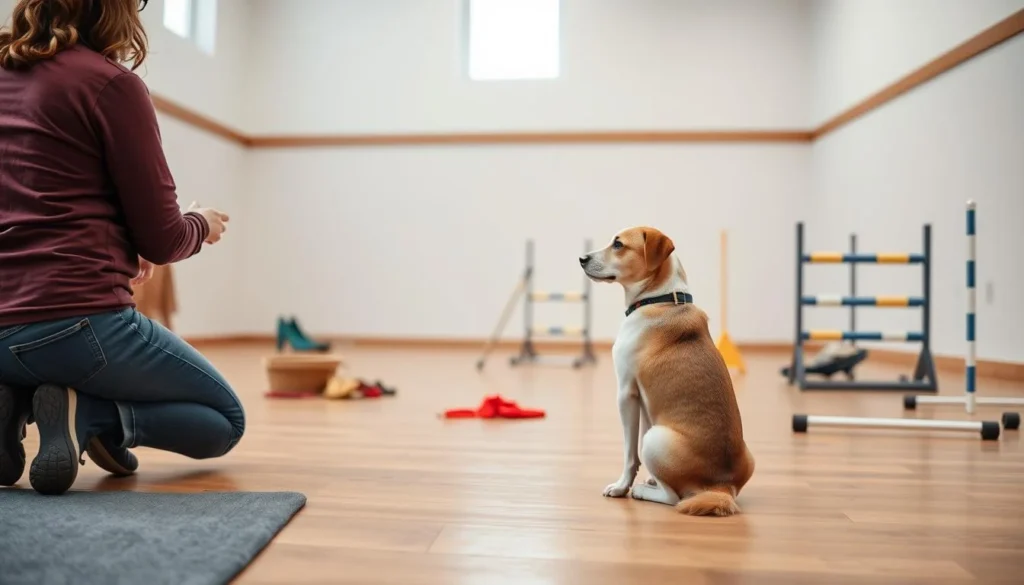
Setting short-term goals is key. Teaching a dog a simple command like "sit" or "look" can start in just a few sessions. Short, focused sessions boost confidence for both dog and owner. This method answers the question of how long training takes for basic skills.
For bigger goals, you need a different plan. Building reliable behavior in distracting places takes weeks to months. The goal, whether it's a simple cue, reliable performance, or lifelong manners, affects the training time.
Experts often agree on benchmarks. Many trainers say dogs can start understanding basic cues in days. They show consistent responses in about seven days with clear methods. Basic skills for more advanced commands become noticeable in two weeks.
Vets also offer insights. They say puppies can show reliable responses by five to six months. Puppy classes usually last four to six weeks to teach social skills and basic obedience. Potty training can take from one week to a month, depending on consistency.
Some schools offer intensive programs. Two-week courses can cover basics and address common behavior issues in focused programs. This answers how long a dog training course takes with concentrated instruction.
Remember, "complete" training is always changing. New environments, aging bodies, or role changes require new lessons. Treat training as ongoing maintenance, not a one-time achievement.
Here's a brief comparison to help you plan. It shows typical timeframes and what you can expect. This way, you can choose a path that fits your goals and daily life.
| Goal | Typical timeframe | What to expect |
|---|---|---|
| Teach a basic cue (sit, down) | Days to 2 weeks | Initial understanding, needs reinforcement in real settings |
| Reliable response in low distraction | 2–6 weeks | Consistent performance at home and familiar places |
| Reliable behavior in public | 1–6 months | Requires generalization across environments and steady practice |
| Potty training (puppy) | 1 week–1 month | Depends on schedule, crate use, and consistency |
| Intensive course for basics | 2 weeks (intensive) | Fast foundation, needs follow-up practice |
| Lifelong manners and maintenance | Ongoing | Periodic refreshers and new context training |
How long are dog training classes and what to expect
Many owners wonder how long dog training classes last and what they cover. Knowing what to expect helps with commitment. Some think a class can solve all problems in six weeks. Others believe private lessons will work faster.
Let's talk about typical class length, what a 4–8 week course includes, and how structure affects progress.
Standard class length and frequency
Most group classes are 45 to 60 minutes long, held once a week. This schedule helps dogs get used to a routine without feeling overwhelmed. Puppy classes might be shorter, lasting 30 to 45 minutes, to match their shorter attention spans.
Trainers suggest short daily practice between classes. I advise owners to do 10–15 minute sessions, three to five times a day. These short practices help dogs remember what they learned and show how long a dog training course can take.
What a typical 4–8 week class covers
A typical 4–8 week class teaches socialization, basic commands like sit and recall, leash manners, and positive reinforcement. Puppy classes start at 12–16 weeks and may ask for vaccination proof.
In a four-week plan, you learn core commands and handling tips. An eight-week plan adds more practice in distractions and longer leash walks. This extra time helps owners apply what they've learned to everyday life.
How class structure accelerates or prolongs progress
Class structure is key, not just the time frame. Regular weekly lessons with homework speed up progress. Skipping practice between classes can slow things down and make training take longer.
Instructors use operant conditioning and gradually increase distractions. This staged approach helps dogs apply what they've learned. Rushed or infrequent practice can make progress slower.
How long does a dog training course take with private trainers
I work with private trainers and owners who want clear, practical timelines. A private course often focuses on your dog's immediate problems. It teaches you hands-on techniques. This makes it easier to tailor the course length to each dog.
Common program durations: single sessions, weeks, and intensive courses
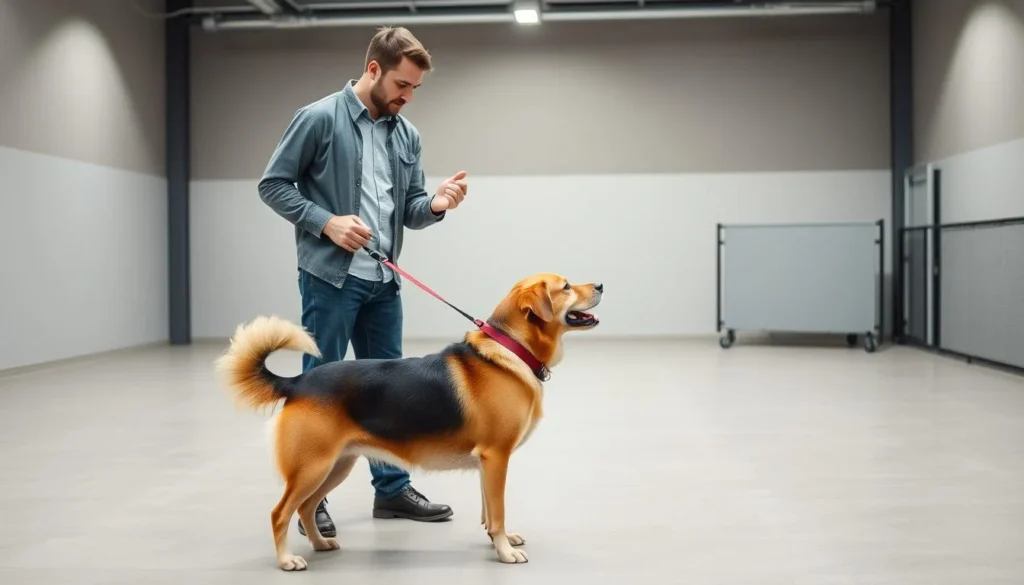
Private training formats vary. You can book a single session for targeted advice, a weekly package for steady progress, or an intensive two-week block for rapid change. Short packages of four to five weeks often aim to teach basic cues and resolve specific behaviors.
When focused lessons speed progress and when they don’t
Private lessons are faster when the trainer works one-on-one in low-distraction settings. They give clear steps for owners to follow. This answers part of how long does a dog training take in real life.
Private lessons stall when owners can’t keep consistent practice. If homework is skipped or routines vary, the duration of training a dog stretches out. Consistent follow-through closes the gap between a lesson and reliable behavior.
Homework, follow-ups, and measuring progress
I set simple daily exercises that take five to ten minutes. Trainers often expect measurable milestones. These markers show how long are dog training classes effective for a given goal.
| Program Type | Typical Length | What it Targets | Owner Time |
|---|---|---|---|
| Single session | 1–2 hours | Problem diagnosis, quick fixes | 30–60 minutes daily follow-up |
| Weekly lessons | 4–8 weeks | Basic cues, loose-leash walking, manners | 10–15 minutes twice daily |
| Short package | 2–3 weeks intensive | Rapid behavior modification, recall | 20–40 minutes daily, high consistency |
| Ongoing coaching | 3+ months | Complex behavior, maintenance, generalization | Regular short sessions integrated into life |
Tracking progress across rooms and public places tells you more than calendar weeks. This helps answer how long are dog training classes useful for long-term change.
When owners follow through, private training often shows marked improvement in four to five weeks for basic cues. Long-term habits still require refreshers, practice, and occasional follow-ups to maintain gains.
How long does dog obedience training take
I help train dogs and guide their owners. People often ask how long it takes to train a dog. They also wonder what counts as progress.
Short sessions, clear cues, and rewards help dogs start responding quickly. But, it often takes more time to perform well in different places.
Basics: sit, down, stay, recall — realistic timelines
Puppies can learn simple cues from about eight weeks old. With 10–15 minute sessions several times a day, many dogs learn sit and down in three to seven days. Recall and stay need more practice in different places.
In practice, owners see dogs responding reliably in two to six weeks.
Transition from understanding to reliable performance
Understanding a cue is not the same as being reliable. I watch dogs go from tentative responses to dependable actions. This happens when owners practice in parks, at home, and near distractions.
The time it takes for a dog to be reliable depends on the quality of sessions, consistency, and how gradually the difficulty increases.
Factors that slow down obedience mastery
Adolescence can make dogs seem like they're not learning. Inconsistent cues, rare practice, and punishment-based methods slow progress. Young puppies have short attention spans, so even good methods need tiny sessions.
If progress stalls, I suggest going back to basics. Adding reward-driven proofing in new settings can help.
Below is a compact comparison to help set expectations for the duration of training a dog at different stages and for common skills.
| Skill | Typical early understanding | Consistent reliability | Time needed for dog training (estimate) |
|---|---|---|---|
| Sit | 2–7 days | 1–3 weeks | Daily short sessions for 1–3 weeks |
| Down | 3–10 days | 2–4 weeks | 10–15 minute sessions, multiple times daily for 2–4 weeks |
| Stay | 1–2 weeks | 4–8 weeks | Progressive duration increases across weeks |
| Recall | 1–2 weeks | 4–12 weeks | Practice in varied environments; leash and off-leash work |
| Proofing in distractions | 2–4 weeks of repetition | 1–6 months | Gradual exposure and reward-based reinforcement |
How long does dog potty training take
Potty training seems urgent when you bring a puppy home. The time it takes depends on the puppy's age, breed, and control. A 3-month-old puppy can't hold it all night like a six-month-old might. Set realistic goals for the short term and keep an eye on the long-term training timeline.
Using crate training and a strict schedule helps a lot. Crates help puppies avoid soiling in their own space. Take them out right after naps, play, and meals. Short, frequent walks and a calm wait of about five minutes work well.
Many puppies show progress in a week to a month, especially if started between 8–12 weeks. This answers the question of how long dog potty training takes for many families. The time it takes for full reliability varies, but early signs often appear quickly with consistent cues and positive reinforcement.
Training in small sessions helps the puppy learn the cue and then praise instead of treats. This method helps the puppy learn without relying on food rewards. When asked about dog toilet training time, I explain it's similar to potty training. Both need the same routine, timing, and clear signals.
Watch for signs that training isn't working, like frequent accidents or blood in urine. These could mean a medical or behavioral issue. If problems persist, consider a vet or certified trainer for help.
Think of dog training as having different layers. You can see quick wins in days. Reliable daytime success takes weeks. Nighttime control and true permanence may take months, depending on the dog. Tracking small milestones helps keep expectations realistic and motivation high.
How long does dog toilet training take
I break toilet training into clear stages so owners know what to expect. The time it takes depends on the dog's age, past habits, and how consistent I am with cues. Making lifelong changes in the home can help, so I see toilet training as an ongoing skill.
Terminology and overlaps
I explain terms in simple language. In the U.S., toilet training and potty training are often used the same way. They both aim to teach a dog where and when to go. The actual time it takes to train a dog varies, but the method and consistency matter more than the label.
Steps I use to speed up reliable toilet habits
- Set a predictable schedule for feeding and bathroom breaks to shorten confusion and speed progress.
- Use a consistent cue word and reward immediately after successful elimination to build strong associations.
- Crate train so the dog learns to hold urine for realistic periods; this often reduces accidents quickly.
- Take frequent short outings for puppies; many owners see routine mastery within weeks when training starts at 8–12 weeks.
- Keep high-value treats like small pieces of cooked chicken for early wins, then phase to praise and play.
Typical setbacks during adolescence and medical considerations
Adolescent dogs often seem to regress. Hormonal surges and testing of boundaries can make previously trained dogs have accidents. This phase can last until physical maturity, which varies by breed.
Medical issues can mimic training failure. I recommend a vet check for UTIs, gastrointestinal problems, or urinary incontinence when accidents persist despite a solid routine. Addressing health problems often shortens the time needed for dog training to yield consistent results.
| Age group | Typical timeframe | Key focus |
|---|---|---|
| Puppy (8–16 weeks) | 2–6 weeks to basic routine | Frequent outings, crate use, immediate rewards |
| Older puppy (4–12 months) | 4–12 weeks with consistency | Maintain schedule, manage adolescence regression |
| Adult dog (over 1 year) | 2–8 weeks or longer if habits exist | Behavior modification, vet checks for medical causes |
| Senior dog | Varies widely; may require ongoing adjustments | Account for mobility and medical care |
I keep the keywords clear so readers can find practical answers about how long does dog toilet training take and how long does dog potty training take. When I estimate duration of training a dog, I factor in setbacks and health checks. This gives a realistic view of the time needed for dog training without overselling quick fixes.
Creating a timeline for dog training at home
I create a plan for dog training at home. It helps track progress and sets realistic goals. This plan is flexible, adjusting to the dog's age, breed, and energy.
Training sessions are short to match the dog's attention span. Puppies get 5-minute sessions several times a day. Adult dogs get 10–15 minutes per session. These short sessions add up, making training manageable.
I set clear milestones to track progress. Early successes build momentum and keep owners consistent.
Short daily sessions and cumulative progress
I schedule three to five short sessions daily. Each session focuses on one cue or skill. Training in low-distraction spots helps build reliable behavior.
I keep a log of small successes. This lets me measure progress and estimate the training timeline.
Milestones to set for the first week, month, and six months
First week: establish routine, start potty and crate basics, and introduce simple cues. Expect initial understanding within days.
First month: consistent cue performance in calm settings and a clear pattern of house routines. Progress toward everyday tasks becomes visible.
Six months: generalization across environments and steady obedience under moderate distractions. Many dogs reach strong reliability by five to six months.
Tracking progress and adjusting expectations
I use a simple table to monitor sessions, responses, and next steps. If progress stalls, I review distractions, health, and session length. Regular notes help adjust the plan.
| Timeframe | Focus | Daily Routine | Expected Outcome |
|---|---|---|---|
| First week | Routine, potty, crate, name response | 3–5 short sessions; consistent schedule | Basic understanding; fewer accidents; crate acceptance |
| First month | Basic cues in low-distraction areas | 3 sessions; short walks with practice | Reliable cues at home; foundation for leash work |
| 3 months | Generalization and distractions | 2–4 focused sessions; real-world practice | Improved reliability; starts to handle moderate distractions |
| 6 months | Consistent obedience across settings | 1–3 maintenance sessions; varied environments | Strong response in many contexts; ready for advanced skills |
I don't stick to the plan if a dog shows regression. I slow down and add repeats. Tracking shows the realistic training duration for each dog.
Time needed for dog training: session length and frequency
I break training into short, focused sessions. These sessions match a dog's age and attention span. When asked how long dog training takes, I give ranges, not promises. The goal is steady progress through consistent practice, not marathon sessions that overwhelm the dog.
Recommended session durations by age
Puppies learn fast but tire quickly. I keep puppy sessions to about 5 minutes each. Total structured practice for puppies is about 15 minutes per day. For adult dogs, I use 10–15 minute sessions. These blocks include play, reward, and short rest breaks.
How many sessions per day and week yield the best results
I recommend 3–5 short sessions daily for general skills. This frequency keeps cues fresh and reduces regression. Weekly group classes or private lessons supplement home work. When people wonder how long are dog training classes, many programs are weekly 4–8 week cycles. Those classes provide structure while daily practice creates lasting change.
Integrating training into daily life for ongoing reinforcement
I weave training into walks, mealtimes, and greeting routines. Leash handling indoors then outdoors, scheduled potty trips, and short socialization outings help generalize learning. This approach spreads the dog training duration over many small moments rather than a few long drills.
| Age / Type | Session Length | Sessions per Day | Typical Weekly Pattern |
|---|---|---|---|
| Puppy (8–16 weeks) | ~5 minutes | 3–5 short sessions | Daily short practice, 10–15 min total; 1 gentle social outing |
| Adolescent (4–12 months) | 7–12 minutes | 3–4 sessions | Daily practice with focused refresher; weekly group class helpful |
| Adult (1+ year) | 10–15 minutes | 3 sessions | Regular short practice; weekly lesson or booster as needed |
| Behavioral or task training | 10–20 minutes | 2–4 targeted sessions | Frequent short drills plus real-world practice several times weekly |
I watch for signs of fatigue and stop before frustration sets in. This helps shorten overall dog training duration by keeping sessions effective. When owners stay consistent, progress is steady and measurable. That is the best answer to how long does dog training take.
Dog training duration for specific skills and advanced behaviors
I break down typical timelines so you can plan realistic goals. The time it takes to train a dog depends on the task, environment, and the dog's temperament. I focus on when a skill is learned, when it's reliable, and when it works in new places.
I use short, focused sessions and frequent reinforcement to speed progress. Basic cues often appear in days, but true reliability may take weeks. This helps answer how long does dog training take for common behaviors.
Loose-leash walking and recall timelines
Loose-leash walking can show improvement in a few weeks with daily practice. Expect several months for steady performance around distractions like other dogs and busy streets. Recall often follows a similar arc: initial response in days, dependable recall across contexts in weeks to months.
Therapy, service, or task-specific training timeframes
Specialized roles demand long-term training. Therapy dog preparation and basic service tasks usually take many months. Programs for guide work, medical-alert responses, or seizure response extend into a year or more because they require consistency, testing, and sometimes certification. I plan incremental milestones and ongoing assessments when I train for these roles.
How complexity of the skill affects total duration
Complex skills need more layers of training. A behavior learned in a quiet room must be proofed in noisy, unpredictable settings. Tasks that require physical maturity or precise discrimination extend dog training duration. My rule is simple: the more contexts and the higher the reliability needed, the longer the timeline.
I measure progress by reliability across contexts, not by single successes. If you wonder how long does dog obedience training take, remember that obedience is both a set of basic commands and a lifelong practice of reinforcement. Tracking small wins makes the overall dog training duration easier to manage.
Common obstacles that extend training time and how I handle them
Many owners wonder how long dog training takes when it slows down. Small issues can make training last longer if not caught early. I look for patterns, changes in routine, and small details that matter.
I divide problems into three main areas. This makes it easier to explain and set realistic goals for training time.
Adolescence regression and maintaining consistency
Puppies can act like teenagers, forgetting what they learned. I use patience, clear rules, and steady expectations. When family rules change, training can slow down.
I keep training sessions short and regular. Using the same words and rewards helps avoid confusion. This saves time and effort in retraining.
Medical, anxiety, and environmental causes of slow progress
Medical problems or anxiety can make it seem like a dog is forgetting. Loud noises or a busy home can also slow learning. I ask owners to keep a log of incidents to spot patterns.
If a dog's behavior suddenly changes, a vet visit is a good idea. Fixing health issues can greatly shorten training time by removing obstacles.
When to seek a veterinary behaviorist or certified trainer
Seeking professional help is wise when training stalls despite effort. If safety is a concern or usual methods don't work, a certified trainer or vet behaviorist is needed.
Bring a detailed log, notes on training sessions, and a household routine summary. Clear records help diagnose issues faster and estimate training time more accurately.
| Obstacle | Signs | My first steps | Effect on dog training duration |
|---|---|---|---|
| Adolescence regression | Ignored cues, sudden disobedience | Short sessions, consistent cues, family rules | May add 2–6 weeks to timeline |
| Medical issues | Regression, accidents, pain behaviors | Recommend veterinary exam, adjust exercises | Variable; treat first to reduce overall time needed for dog training |
| Anxiety or environment | Freeze, escape, excessive vocalization | Desensitization, controlled exposure, safe space | Can double projected duration if untreated |
| Inconsistent methods | Mixed cues, rule changes, family confusion | Standardize cues, train caregivers, use operant conditioning | Minor to moderate delays; consistent approach shortens time needed for dog training |
| Complex behavior problem | Aggression, resource guarding, severe fear | Refer to certified trainer or veterinary behaviorist | Extended; professional plan required to estimate duration |
Conclusion
How long dog training takes varies based on several factors. These include your goals, how consistent you are, and the dog's age. Short, regular sessions and clear commands can teach basic skills in days or weeks.
For reliable performance, training can take weeks or months. This is because you need to practice in different places. It's important to start early and use positive methods.
Begin training between six and sixteen weeks, focusing on socialization. Potty training usually takes one week to a month. Puppy classes last four to six weeks.
Remember, training is an ongoing process. I still work on new skills and refine commands years after starting. It's essential to adjust behaviors and keep reinforcing them.
Tracking your progress and staying consistent makes training manageable. It's not just about reaching a deadline. It's about the journey and the bond you build with your dog.