I remember the first night my Labrador mix arrived. I paced the living room, worried I'd miss her cue to go outside. This mix of excitement and nervousness is common for new dog owners.
If you've wondered how to potty train a puppy, you're not alone. The first week is crucial for months to come.
Housetraining was my top priority. I wanted a calm home, fewer messes, and a predictable routine. I researched puppy potty training tips and chose a method that fit my lifestyle.
Good housetraining is key for a calm home and less stress. The best ways include predicting, preventing, and praising. Predict when your pup needs to go, prevent accidents with regular breaks, and praise every success.
Key Takeaways
- Make a clear plan before your puppy arrives and prioritize potty training early.
- Use proven methods like crate training, puppy pads, consistent schedules, and positive rewards.
- Watch for signals, monitor diet and play, and tie feeding to bathroom breaks.
- Commit to repetition and patience—consistency beats occasional perfection.
- Rely on trusted sources such as the American Kennel Club and your veterinarian for guidance.
how do i potty train a puppy
I knew housetraining was key when I got my Labrador mix. Clean floors and calm nights are important for any home. Teaching good bathroom habits protects furniture, reduces stress, and makes training easier for both me and my pup.
Why housetraining is one of the first priorities
Housetraining stops indoor soiling and saves my couch from stains. It sets clear expectations for leash manners and crate use. When my puppy learned where to go, visits and vet trips became easier. Routine makes life predictable for a young dog and for me.
What I learned before bringing my puppy home
I measured crate sizes and tested partition setups for growth stages. I planned a feeding schedule for bathroom breaks. I chose between puppy pads or outdoor-only based on my apartment and weather.
I lined up support before day one. A neighbor and a Rover sitter agreed to short visits while I worked. This small safety net kept my pup on schedule and reduced accidents when I was away.
Overview of the methods I used and why consistency matters
I used three main methods: crate training, scheduled outdoor trips, and indoor pads when needed. I used a single verbal cue, “potty,” and rewarded immediately with a treat or play.
Sticking to the plan was crucial. Mixed signals confused my dog. Consistent timing after meals, naps, and play helped my puppy learn faster than sporadic efforts.
Understanding puppy development and bathroom habits
I keep a close eye on my pups to understand their needs. As they grow, I notice patterns that guide my training. Simple rules help me make the right choices.
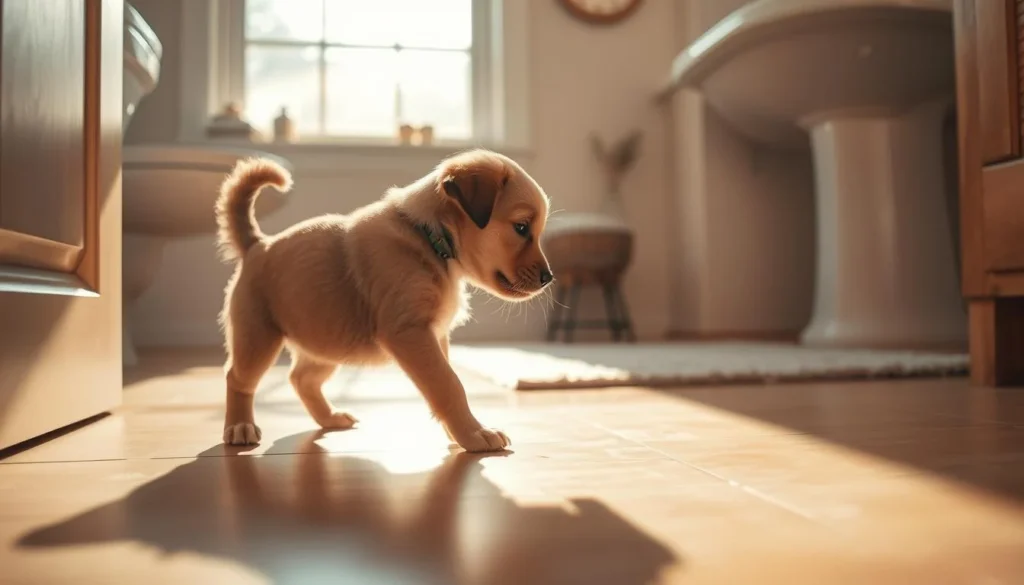
Age and bladder control are my first considerations. A puppy can hold it for about as many hours as they are months old. Newborns and young pups need to go every one to two hours. By three months, they can usually hold it for three hours.
As they get older, their bladder control improves. By nine to twelve months, they can hold it for longer periods.
I also watch how eating, sleeping, and play affect their bathroom habits. Puppies often need to go after waking, eating, drinking, playing, and being in a crate. Scheduling breaks around these times helps prevent accidents and teaches them to go at the right times.
Breed and individual differences play a role too. Toy breeds like Yorkshire Terriers have smaller bladders and may need to go more often. If you're wondering how to potty train a Yorkie puppy, expect more frequent, short trips outside and smaller meals.
Growth rate and history also matter. A rescue with a spotty past may need more reminders, while a calm breeding line may adapt quickly. I watch for changes in stool and diet because loose or bulky stools can slow progress and may need a vet visit or diet change.
By combining age rules, event-based breaks, and breed-aware timing, my routine fits the pup. This approach keeps training steady and humane.
Creating a practical potty training schedule for puppies
I started a routine from the first day to teach my puppy about eating, sleeping, playing, and going to the bathroom. A regular potty training schedule helps puppies learn faster and have fewer accidents. I connect feeding times with bathroom breaks to make it easier for them to learn.
Feeding times tied to bathroom breaks
I feed my puppy three small meals a day at the same times. Right after each meal, I take them outside or to their pad. This helps them learn where to go and what to do.
How often to take very young puppies outside or to pads
Puppies under eight weeks need to go out every one to two hours. I take them out in the morning, after naps, after play, after eating or drinking, and before bed. If I'm not home, I get a dog walker or neighbor to help.
Adjusting the schedule as your puppy grows
As my puppy got older, I increased the time between trips. A good rule is to add an hour for every month of age. I slowly reduced pad use and increased outdoor trips as they learned to hold it longer.
I keep track of how they do and adjust the schedule as needed. This helps keep the routine consistent and avoid overwhelming them.
Crate training for puppies as a potty training tool
I use a crate as a key tool for housebreaking puppies. It helps them learn to control their bladder and follow routines. I introduce the crate gently, making it a safe space.
Choosing the right crate size and using partitions
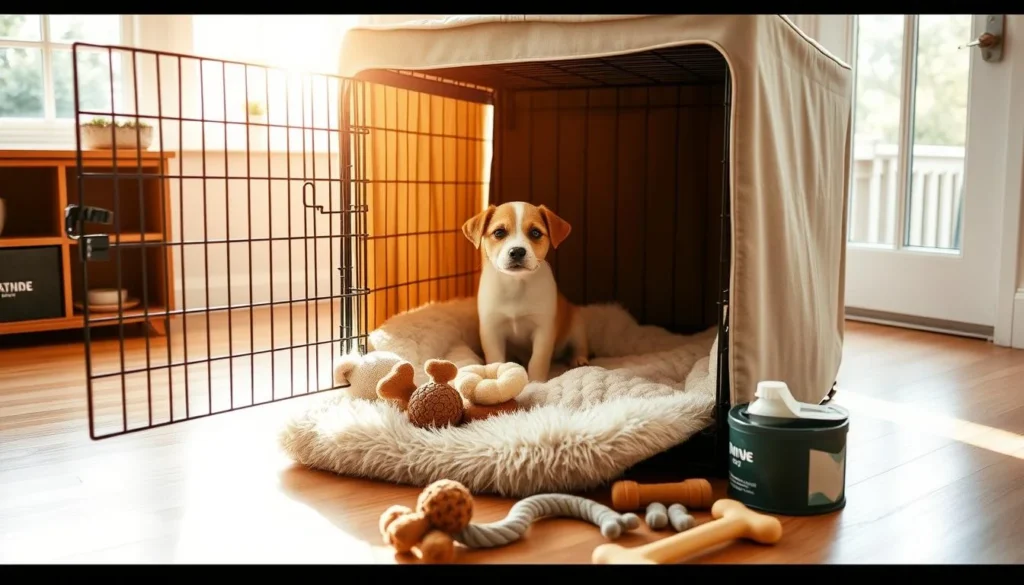
I choose a crate where my puppy can move around comfortably. It should be big enough for them to stand, turn, and lie down. As they grow, I add a partition to keep the area clean.
Introducing the crate without fear or punishment
I make the crate welcoming with a soft bed and a safe toy. I feed them inside and let them explore. I never punish them for being in the crate.
How crates reinforce bladder control and routines
Dogs don't like to soil where they sleep. I use this to teach them when to go outside. I take them out right after they're in the crate.
I watch for signs like whining or scratching. This helps them learn faster than random times. It's a key part of their training.
I fix crate soiling by checking their schedule, diet, and health. For rescued puppies, I go slower and offer more breaks. Using a crate well helps with housebreaking and makes life easier for both of us.
Puppy pee pad training and indoor toilet options
I live in a third-floor apartment, so I learned fast which indoor solutions actually work. Puppy pee pad training can save floors, protect tiny joints, and keep a routine when outdoor trips are tough. An indoor dog potty gives small breeds a predictable place to go and helps me manage accidents without stress.
When puppy pads make sense
Puppy pads fit when apartments limit outdoor access, when winter storms keep us inside, or when a Yorkie or Chihuahua has a fragile leg. I used pads on days I worked long shifts and on travel nights to avoid unsafe walks. High-absorbency overnight pads work well outside crates and in playpens to reduce midnight wake-ups.
Transitioning from pads to outdoor elimination
My plan was simple: put the pad by the door, then inch it toward the exit over several days. When the pad reached the threshold, I started moving it just outside. I praised and treated every outdoor success. After a week of consistent outdoor rewards, I removed the pad and kept the same verbal cue so my pup connected the action to the command.
Placement tips and cleaning to avoid re-soiling the same spot
I keep pads visible and in a single predictable corner. Changing locations confused my dog and caused mistakes. For males and toy breeds, I tried artificial grass trays and small indoor potty boxes; they cut down on splatter and felt more natural for standing elimination.
When accidents happen I use an enzymatic cleaner to remove scent traces. That stops repeat use of the same spot. I switch to pH-tracking or extra-absorbent pads if I need overnight monitoring or extra protection.
Positive reinforcement techniques for effective potty training for puppies
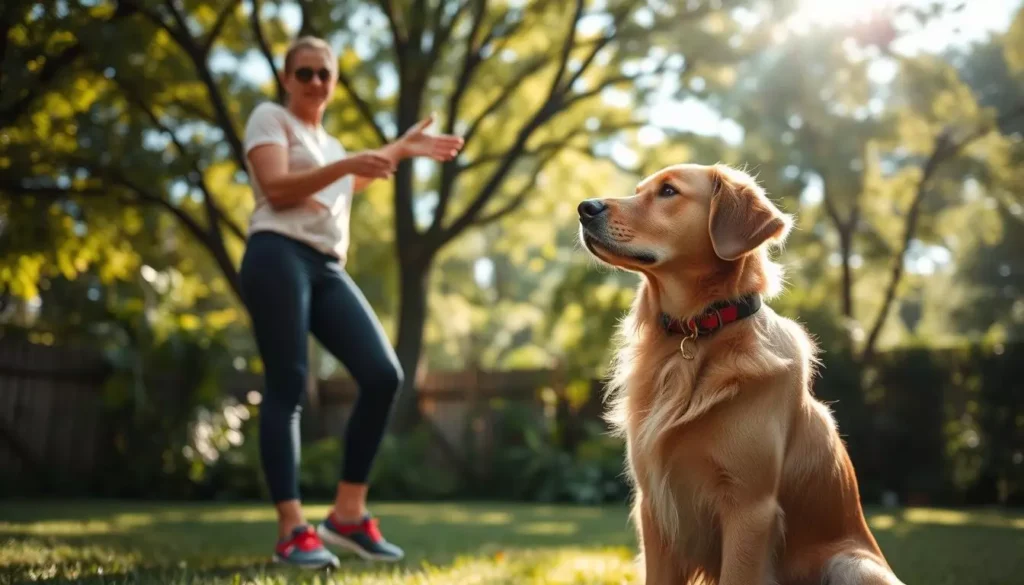
I keep training simple and consistent for my puppy's quick learning. I use a single cue, immediate rewards, and watch closely to build good habits. These steps are key to my positive training approach, reducing accidents.
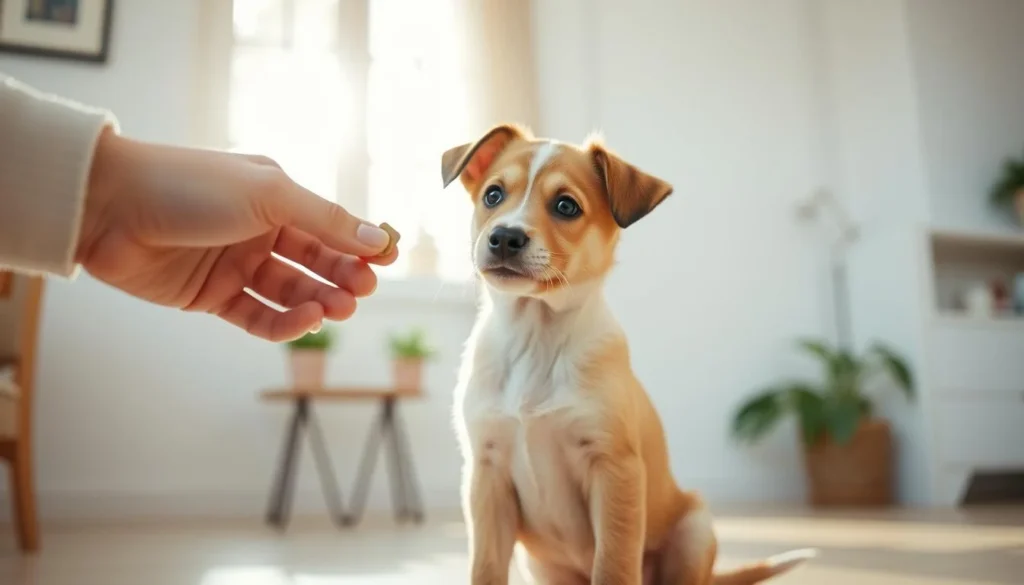
I use a short cue like "potty" when I take my puppy to the spot. This helps my dog connect the word with the action. I always use the same tone to avoid confusion.
Right after my puppy finishes, I give a reward. Small, tasty treats work best. I also praise and play briefly to show approval. Timing is crucial; the reward must come quickly after the action.
I choose treats that are easy to eat and small. I carry a pouch for outdoor trips. If my pup likes toys or play, I use those as rewards too. This keeps them motivated without overfeeding.
If I catch my puppy in the act, I calmly take it outside. If it finishes outside, I reward it right away. If I find a wet spot later, I don't scold. Instead, I clean with an enzymatic cleaner and focus on preventing it next time.
Keeping a close eye on my puppy prevents many accidents. I use a short leash for outdoor trips to keep them focused. I tie bathroom breaks to feeding, naps, and play for predictable times. These techniques help me stay ahead of mistakes.
If progress slows, I go back to basics. This means more supervision, smaller play areas, and more scheduled trips. Consistent cues, immediate rewards, and calm handling make a reliable system. These tips and methods keep training sessions short, clear, and effective.
How do i potty train a puppy at night
Learning to potty train a puppy at night requires a calm approach and realistic goals. Young puppies need to go out in the middle of the night. The first few weeks are like practice, and as they get better, so does their bladder control.
Nighttime schedules and realistic expectations
I set a routine for the last trip before bed. A walk or a visit to the pad, then quiet time, helps puppies sleep better. The rule of thumb is that a puppy's age in months is about how many hours they can hold their bladder.
I was gentle with my expectations. Training a puppy at night is not always easy. Some nights are great, while others have wake-ups. As my puppy grew, so did their ability to sleep through the night.
Using crates and overnight puppy pads strategically
I used a crate to help my puppy avoid accidents at night. Puppies don't like to soil their sleeping area, which helps with bladder control. For small breeds, I used a pad outside the crate or in a playpen to prevent messes.
For pads, I chose thick ones and changed them often. This prevented the puppy from soiling the same spot and kept them comfortable.
How to minimize sleep disruptions while preventing accidents
In the early weeks, I used a low-volume alarm. Short, quiet potty trips were best. I avoided play, bright lights, and long cuddles to help them go back to sleep fast.
- Keep night trips brief and quiet to avoid stimulating play.
- Progressively delay the alarm by small increments as control improves.
- Maintain the same final-potty routine every night to reduce early awakenings.
As time went on, my puppy's nighttime potty schedule became more predictable. I woke up less, the crate stayed dry, and my puppy learned to sleep longer stretches. With patience and small, consistent changes, training at night became easier for both of us.
How do i potty train a puppy fast
I set a fast plan for my new pup. A quick start helps you see progress fast. Quick results come from strict routines, constant watch, and clear rewards.
Intensive schedules and focused supervision
I made a tight training schedule for my pup. I fed them at set times and took them out every 1–2 hours. I rewarded them right away for going outside.
I kept them tied to me indoors and in a small area. I used a short leash for outdoor trips. This focus cut down accidents and built good habits fast.
Common pitfalls that slow progress and how I avoided them
Inconsistency is a big problem. Letting a puppy inside sometimes undoes all your work. I stuck to one rule and followed it always.
Too much freedom too soon was a setback. I slowly gave them more freedom as they got better. I cleaned up accidents with special cleaner to avoid repeat mistakes.
When fast results are realistic and when patience wins
Some puppies learn fast, but most take weeks or months. Intensive training helps, but true fast progress needs no health issues or past trauma.
If training doesn't move forward, check for health problems or get a certified trainer. This saved me time and frustration when my pup wouldn't progress.
| Focus Area | What I Did | Timeline |
|---|---|---|
| Feeding routine | Set fixed meals and cleared bowls promptly to predict elimination | Immediate to 1 week |
| Supervision | Tethering indoors and leash trips outdoors every 1–2 hours | Daily, intensive first 2–3 weeks |
| Rewards | Immediate treats and praise for outdoor elimination | Ongoing |
| Accident response | Use enzymatic cleaner and avoid scolding; reset routine | As needed |
| Realistic expectation | Fast results possible for healthy, young pups; others take longer | Days to months |
Potty training a puppy in an apartment
I live in a sixth-floor walk-up, so I learned fast that apartment puppy potty training needs a plan that fits tight schedules and small spaces. Limited outdoor access pushes you to mix crate routines, timed feeding, and reliable indoor options until your puppy can hold it for longer walks.
I use a few balcony dog potty solutions and indoor trays placed near the exit door. Start with pads or artificial grass on the balcony or in a corner by the door. As the pup improves, move the spot a little closer to the building exit so you can shift the behavior outdoors when possible.
Coordinating with neighbors and building staff matters. I pick off-peak elevator times to avoid crowds. A consistent bathroom route in the hallway and courtyard helps my dog recognize the outdoor spot. Clear, calm elevator etiquette reduces stress for me and my puppy during the trip down.
When I work long days, I hire a local dog walker or ask a neighbor for midday breaks. Doggy daycare worked well for social pups that needed regular bathroom chances. For very young or toy-breed puppies I schedule more frequent check-ins to prevent accidents and set consistent elimination windows.
I keep the routine tight: crate naps, set feeding times, and scheduled exits. This combo cut my accident rate quickly. I reward outside successes right away with a treat and a quick praise word so the puppy links the action to the outcome.
Practical gear made a difference. I chose a lightweight artificial grass tray for the balcony, odor-neutral pads for indoor corners, and a collapsible ramp to help my pup handle any step between the apartment and the door. These small investments sped up apartment puppy potty training without stress.
Potty training a Yorkie puppy and other small breeds
I got a Yorkie pup and learned fast that tiny dogs need a tailored plan. Their small bladders mean more frequent breaks, patient supervision, and smart indoor options while they build bladder control.
Why toy breeds can require extra attention and indoor options
Toy breeds like Yorkshire Terriers often piddle between scheduled outings. I found that expecting long holds led to more accidents and stress for both of us. Early on, I added short, frequent trips and a safe indoor potty to prevent mistakes.
Tailoring crate size, pad placement, and frequency for tiny bladders
Choosing the right crate size matters. I used a small crate with a divider so the space matched my puppy's size. That encouraged holding until a break.
I placed pads low to the floor near the door and sometimes near their favorite resting spot. I increased potty breaks after naps, play, and meals to match how often my Yorkie needed to go.
Solutions when a small dog repeatedly piddles in the same spot
When my pup kept returning to one rug, I learned that odor was the culprit. I removed the rug, cleaned the area with an enzymatic cleaner, and moved the pad slightly to change the cue.
To reinforce outdoor habits, I rewarded small successes often and kept treats tiny. I tested an indoor grass patch for bad-weather days as a bridge to full outdoor elimination.
For anyone asking how do i potty train a yorkie puppy, start with patience, frequent breaks, and consistent placement of pads or potties. Using small breed puppy potty training tips helped me reshape habits without harsh measures.
Troubleshooting common puppy housebreaking problems
It's really frustrating when things slow down. Small problems can hide bigger issues like health problems, training needs, or scent issues. I'll show you how to find the problem and fix it fast.
When accidents indicate medical issues and when to see the vet
If a well-trained pup starts having accidents, it might be a health issue. Problems like urinary tract infections or parasites can cause this. If accidents keep happening, I call the vet right away.
Resetting training after setbacks like crate soiling
When crate soiling happens, I watch them closely. I cut back on freedom time and stick to a strict schedule. I also reward calm behavior and quick potty breaks.
Dealing with recurrent location-specific accidents with enzymatic cleaners
Dogs often go back to the same spot because of the smell. I clean the area with an enzymatic cleaner for pet urine. If the smell is strong, I replace the carpet or rug.
I look for patterns. If training doesn't improve, I get help from a certified trainer or vet behaviorist. This saved me a lot of time and stress with my own puppy.
Conclusion
I planned well before bringing my puppy home. This prep was key. I set a routine for feeding and going outside. I also used a crate and puppy pads when needed.
Keeping a close eye on my puppy was crucial. Basic tips like routine, supervision, and clear cues helped a lot. They gave me the structure to teach good habits.
My method included immediate rewards and short outings. I found that timing, repetition, and calm praise were essential. It's important to remember that progress can take time.
It might seem slow, but with patience, your puppy will learn. I stayed realistic and kept my expectations in check. This helped me stay patient and focused.
For any setbacks, I used enzymatic cleaners and arranged breaks. I also checked with my vet if I thought there was a medical issue. If problems didn't go away, I thought about getting professional help.
With consistent practice and positive reinforcement, I taught my puppy where and when to go. This built a peaceful routine for both of us.