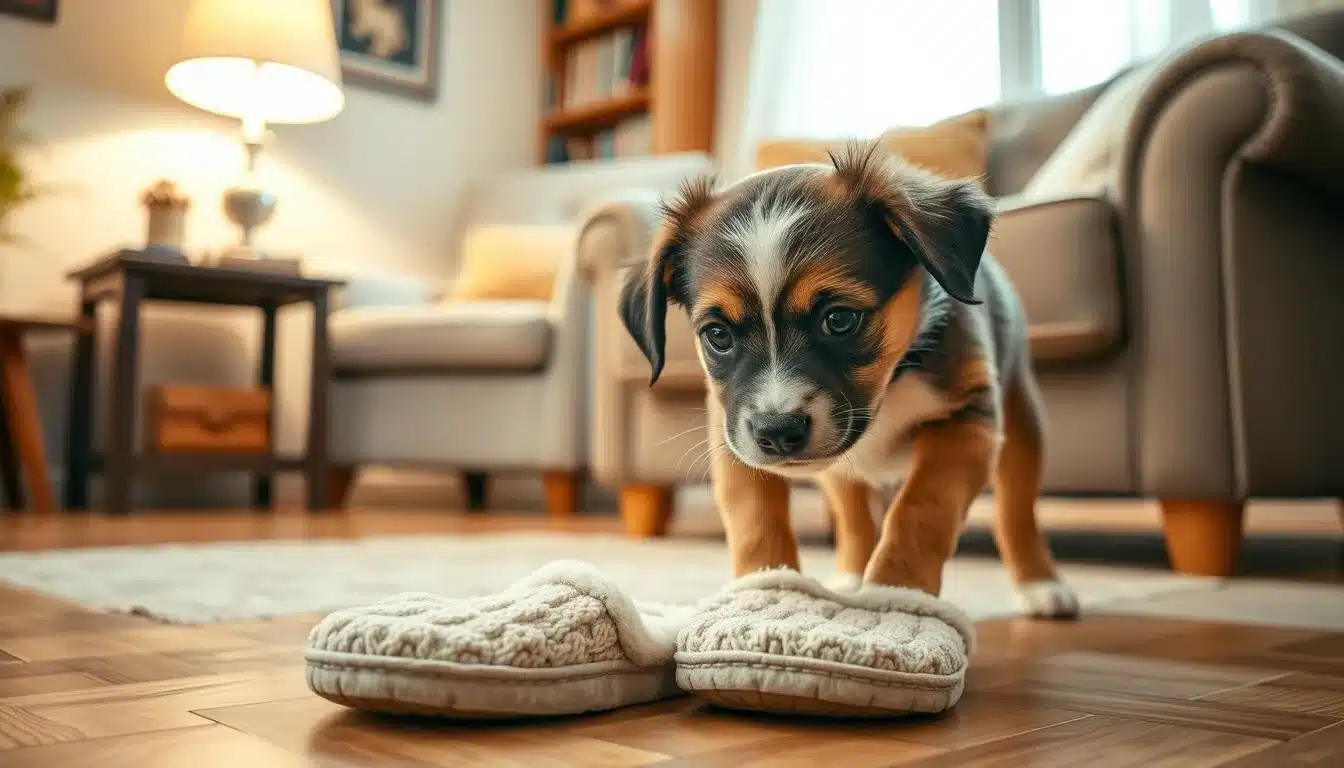
When I first brought my puppy home, I was overjoyed. Their tiny paws, wagging tail, and playful spirit filled my heart with delight. However, it didn’t take long before that joy was mixed with frustration. I found myself constantly pondering, "how can I get my puppy to stop biting?" Those innocent nibbles quickly escalated into sharp little nips, often when I least expected it.
I realized that though puppy mouthing is a natural phase of their development, it can feel overwhelming. Especially when my hands and clothes are considered chew toys. If you're reading this, you’re likely facing the same challenge, seeking methods to transform those playful bites into gentle nudges. Let's dive into understanding puppies better and explore effective strategies for dealing with those little dental disasters.
Key Takeaways
- Puppy biting is a common issue faced by many new pet owners.
- Understanding the reasons behind this behavior is crucial for effective training.
- Positive reinforcement can significantly help curb biting habits.
- Providing appropriate toys can redirect your puppy's biting urges.
- Consistency and patience are key when teaching your puppy.
Understanding Puppy Biting Behavior
Puppy biting is a common issue for many dog owners. As I watch my puppy, I see that biting is a way for them to learn and explore. Knowing why they bite helps me teach them better habits.
Why Do Puppies Bite?
Puppies bite for many reasons, mainly as they learn about their world. They use their mouths to understand things, just like they saw their mom and siblings do. Some reasons for biting include:
- Exploration: Puppies test things with their mouths.
- Teething: Biting helps them feel better when their teeth are coming in.
- Excitement: Some dogs show joy by biting playfully.
- Boredom: Without things to do, puppies might bite more.
Normal Play vs. Aggression
It's key to tell the difference between playful and aggressive biting. Playful biting is gentle and shows a happy dog. Aggressive biting is harder to tell, but it often means the dog is scared or upset.
Knowing the difference helps me teach my puppy right from wrong. This way, I can stop bad biting before it starts. By understanding why puppies bite and creating a loving home, I'm helping them be better behaved.
Recognizing the Importance of Bite Inhibition
Bite inhibition is a key learning phase for puppies. It helps them learn to control their biting. This is crucial for safe interactions with people and other pets. I use various puppy training tips to teach this important skill.
What is Bite Inhibition?
Bite inhibition means a dog can control how hard they bite. Puppies learn this by playing with their littermates and getting corrected by their mother. When they bite too hard, others may yelp, teaching them to be gentler.
Why Bite Inhibition is Crucial for Your Puppy
Knowing why bite inhibition is important is key to being a responsible pet owner. Without it, my puppy might accidentally hurt someone. Teaching this early can prevent bad behavior later. A well-trained dog is safer for everyone.
| Aspect | Significance |
|---|---|
| Social Skills | Developing proper bite inhibition contributes to healthy play interactions. |
| Safety | Minimizes risk of injury to humans and other animals. |
| Training Efforts | Simplifies the training process by establishing clear behavioral guidelines. |
| Long-term Behavior | Promotes lifelong positive behavior patterns in adult dogs. |
Using effective training that focuses on bite inhibition makes a big difference. With patience and consistency, I can help my puppy become a well-adjusted and safe friend.
Positive Reinforcement Training Techniques
Using positive reinforcement training can really help my puppy's behavior. It's all about rewarding good actions, which makes my puppy want to do them again. With time and consistency, I can teach my puppy good habits and stop unwanted behaviors like biting. Let's dive deeper into this approach.
What is Positive Reinforcement?
Positive reinforcement means giving my puppy rewards for good behavior. These rewards can be treats, praise, or more playtime. This method helps create a positive learning environment. It's key for teaching my puppy new things.
How to Implement Positive Reinforcement in Training
To use positive reinforcement in my training, I can follow these steps:
- First, I identify the behaviors I want my puppy to learn, like sitting or not biting.
- Then, I use treats or rewards that really excite my puppy.
- Right after my puppy does the right thing, I give them a reward to link the action to the reward.
- I stay patient and consistent, making sure everyone in my home uses the same training.
- As my puppy gets better, I start using praise and affection instead of treats.
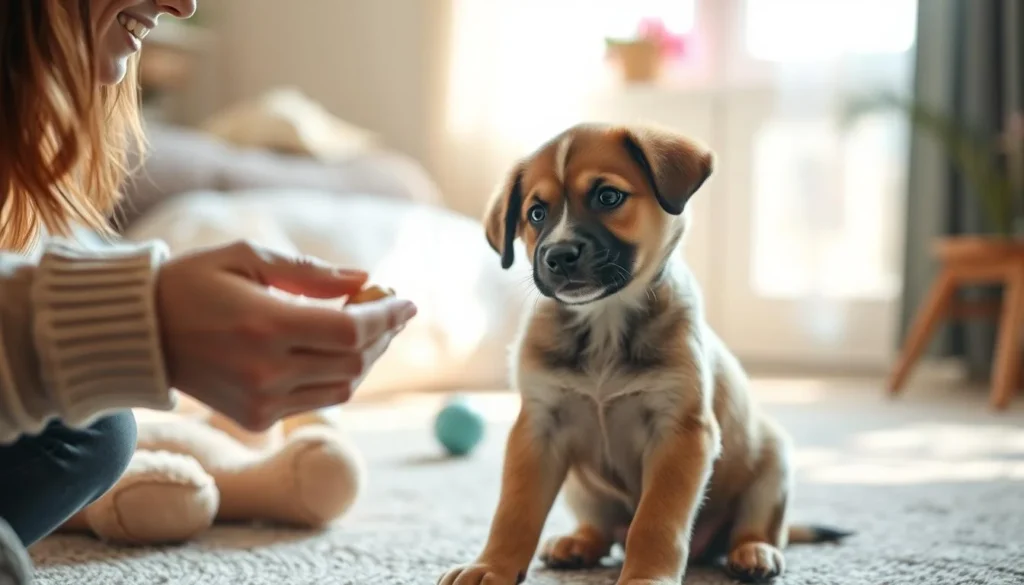
By following these steps, I create a supportive environment for my puppy's growth. This method not only reduces biting but also strengthens our bond. It makes for a happy and well-adjusted pet.
How Can I Get My Puppy to Stop Biting
To stop my puppy from biting, I need to take immediate steps and long-term strategies. Both are key to raising a well-behaved and loving pet. Here are some tips to help me.
Immediate Actions to Curb Biting
When my puppy bites, I can act fast to stop it. Yelping loudly when bitten tells my puppy it hurts. This teaches them that biting has consequences.
Stopping play right away shows them biting ends fun. Giving them a brief time-out helps them calm down. It also shows biting is not okay.
Effective Long-term Strategies
For lasting results, I need to use long-term strategies. Consistent training helps my puppy learn playtime rules. This makes our relationship better.
Redirecting their bites to safe chew toys is key. It satisfies their chewing urge and keeps me safe. With patience and a structured plan, I can teach my puppy the right boundaries.
Redirecting Unwanted Behavior
Redirecting unwanted behavior in puppies needs a careful plan. We must find alternatives that meet their natural needs. Biting is a common issue, but using toys can solve it. Toys not only distract them but also satisfy their urge to chew.
Using Toys to Redirect Biting
When my puppy bites my hands or feet, toys are the answer. I give them a toy right away to show biting humans is wrong. Toys made from rubber or soft fabric are great because they're fun to chew on and keep them from biting.
Encouraging Appropriate Chewing
Teaching puppies to chew the right things is key. I keep a variety of chew toys around, in different textures and sizes. This keeps them interested and biting less. Using these toys in training also helps them learn and strengthens our bond through fun play.
Puppy Teething Remedies
Understanding the teething phase is key to stopping puppy biting. Puppies feel pain as their adult teeth come in. They might chew on things like hands and feet. As a pet owner, I can help by giving them the right chew toys.
Understanding the Teething Phase
The teething phase happens between three to six months. Puppies lose their baby teeth and feel their adult teeth coming in. This makes them want to chew. Knowing this helps me meet their needs and stop unwanted biting.
Best Chew Toys for Teething Puppies
Choosing the right chew toys is crucial. Here's a look at some top picks for teething puppies:
| Toy Name | Material | Benefits | Ideal Age |
|---|---|---|---|
| KONG Puppy Toy | Soft rubber | Stuffable, promotes chewing | 2-6 months |
| Nylabone Puppy Chew Toy | Durable nylon | Long-lasting, supports dental health | 3-6 months |
| Petstages Cool Teething Stick | Water-filled, soft material | Soothing and cooling effect | 3-6 months |
| Benebone Bacon Flavored Wishbone | Durable nylon | Flavorful, encourages chewing | 3-6 months |
These remedies help my puppy chew healthily and keep my things safe. Giving them the best chew toys for teething can stop unwanted biting. It makes this important stage easier for them.
Providing Adequate Puppy Socialization
Puppy socialization is key to a dog's behavior. It helps them learn how to act around other dogs and people. This is important for them to grow up well-adjusted.
The Benefits of Puppy Socialization
When my puppy meets other dogs and people, it builds their confidence. It also helps them learn to play nicely and control their bites. This way, they avoid bad behaviors later on. Socializing them makes them happier and healthier.
Safe Ways to Socialize Your Puppy
I choose safe places to socialize my puppy. Here are some good ways to do it:
- Introduce my puppy to calm and friendly dogs.
- Take my puppy to puppy training classes to learn in a structured setting.
- Expose my puppy to various environments, such as parks or pet-friendly stores.
- Invite friends over with well-behaved pets to encourage positive interactions.
Establishing Clear Boundaries During Playtime
Setting clear boundaries during playtime is key for positive experiences with my puppy. It helps my puppy know what behavior is okay. This way, we both enjoy our time together.
By setting rules for rough play, I teach my puppy what actions are right and wrong. This helps them understand the consequences of biting.
Setting Rules for Rough Play
It's important to set rules for how my puppy plays with others. Here are some rules I use:
- Use toys instead of hands for play.
- End play immediately if biting occurs.
- Encourage gentle interactions when playing with others.
- Reward good behavior with treats and praise.
Following these rules helps prevent unwanted biting. It makes playtime safe and fun. With regular practice, my puppy learns to play nicely without biting.
Importance of Consistency
Being consistent is key when setting boundaries. Everyone in the family must follow the same rules. If someone breaks the rules, I remind them we're all in this together.
Keeping expectations clear in all situations helps my puppy understand what's okay. When everyone agrees, we create a peaceful environment. This reduces the risk of my puppy biting when they shouldn't.
Using Time-Outs Effectively
In my experience with puppies, using time-outs effectively is key in stopping unwanted biting. This method tells the puppy that biting means no more play. It's not punishment, but a way for the puppy to learn to control itself. Here's how to do a time-out right and see the benefits of time-outs.
How to Conduct a Time-Out
To do a time-out, follow these steps:
- Watch for signs of biting. When your puppy nips or bites, it's time to act.
- Gently but firmly take the puppy away from play and to a time-out spot.
- Keep the time-out short, about 30 seconds to a minute, so it doesn't feel like a long punishment.
- After the time-out, slowly bring the puppy back to play, focusing on gentle play.
Benefits of Time-Outs in Training
The benefits of time-outs in training are many:
- Time-outs teach puppies what behavior is okay and what's not.
- This method helps puppies learn to control themselves.
- It makes a clear environment where puppies learn from their actions.
Using time-outs in training does more than just teach puppies better behavior. It also makes our bond stronger. With regular practice and understanding, I've found this technique to be very helpful in raising a well-behaved puppy.

Enlisting Professional Help
Puppy biting can be tough to stop, even with our best efforts. That's why I think it's crucial to get professional dog training services. They offer expert advice that fits our specific needs.
When to Seek Professional Dog Training Services
If my puppy keeps biting, even after training, it's time to get help. Look out for these signs:
- Frequent and aggressive biting.
- Biting that gets worse during play.
- Hard time socializing with other dogs or people.
Spotting these signs helps me decide when to seek professional help. This way, we can tackle the problem before it gets worse.
Finding a Qualified Behaviorist or Trainer
Looking for professional help means finding a qualified behaviorist or trainer. Here's what to look for:
- Credentials and certifications in animal behavior and training.
- Positive reviews and testimonials from other dog owners.
- They should use positive reinforcement techniques.
Choosing a qualified expert ensures my dog gets the best advice. This can improve their social skills and behavior.
Handling Puppy Biting from Children
Dealing with puppy bites from kids can be tough. It's key to teach kids how to play with puppies safely. This way, we avoid bites and build a strong bond between them.
Teaching Kids to Play Gently with Puppies
First, explain why gentle touch is important when playing with a puppy. Show kids to use soft voices and slow movements. Here's what I tell them to do:
- Gently pet the puppy instead of pulling its ears or tail.
- Play with toys, not their hands.
- Stop playing if the puppy looks tired or upset.
Establishing Safe Interactions
It's important to set clear rules for playtime. I teach kids to follow these guidelines:
- Never bother the puppy when it's eating or sleeping.
- Stand up and walk away if the puppy starts to nip.
- Watch the puppy's body language to know when to stop playing.
Avoiding Negative Reinforcement Techniques
Dealing with puppy biting needs careful thought about how we act. Many pet owners might want quick solutions. But using negative methods, like physical punishments, can cause big problems.
These methods might make my puppy scared, leading to aggression and more anxiety. Knowing the dangers of physical punishments helps me choose better ways to train.
The Risks of Physical Punishments
Physical punishments can deeply affect a puppy's feelings. Puppies need a safe place to grow, and punishment takes that away. It makes them confused and can make them more aggressive.
Choosing softer ways to teach helps my puppy feel safe and learn better.
How Negative Reinforcement Can Worsen Behavior
Negative reinforcement can confuse my puppy. They might think I'm angry, not teaching them. This can make them act worse or learn bad habits.
Being patient and understanding helps build trust. This makes training much more successful.
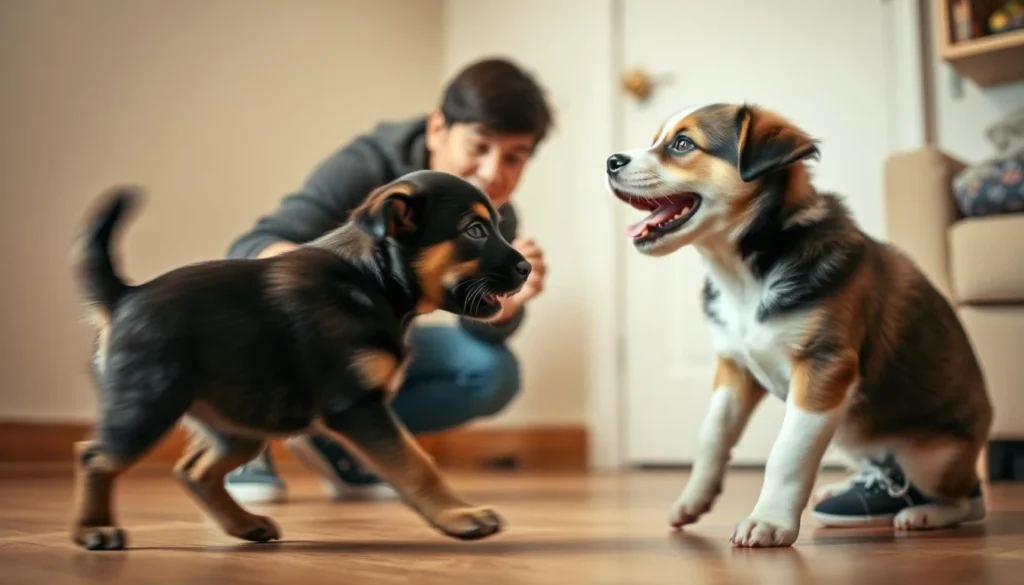
Understanding Overstimulation and Its Effects
As a puppy parent, it's key to spot overstimulation signs, like biting. Puppies get too excited by their surroundings. Knowing this helps me manage their energy better.
Signs of overstimulation include too much barking, jumping, or play biting. It means my puppy needs a break.
Identifying Signs of Overstimulation
When my puppy is overstimulated, I look for certain signs. These are:
- Excessive barking or whining
- Hyperactive behavior, like jumping or racing around
- Increased biting or mouthing
- Difficulty calming down after playtime
Spotting these signs early helps me take the right steps to calm them down.
Calming Techniques for an Overexcited Puppy
It's crucial to use calming techniques for excited puppies. Some methods I find helpful are:
- Offering quiet time in a calm area, where my puppy can relax without distractions.
- Playing gentle games, like rolling a soft toy instead of tug-of-war.
- Using calming music or white noise to create a soothing atmosphere.
These techniques help my puppy calm down and reduce biting. They turn their excitement into peace.
Managing Separation Anxiety in Puppies
Managing separation anxiety in puppies needs careful watching and a plan. Many puppies show certain behaviors when left alone. This can lead to problems like biting. Recognizing signs of separation anxiety is key to solving these issues and helping your puppy grow into a well-adjusted adult.
Recognizing Signs of Separation Anxiety
Signs of separation anxiety include a lot of barking, chewing things up, and trying to get out. Puppies might also pace, whine, or get too clingy. By recognizing signs of separation anxiety, I can respond in a way that meets my puppy's needs, creating a caring space.
Strategies to Help with Separation Anxiety
There are several ways to help with separation anxiety in puppies. Gradual desensitization is important; it means slowly increasing the time your puppy spends alone in a safe area. Giving engaging toys can keep your puppy busy when you're away. A consistent routine helps your puppy feel secure, making them more confident when you're not there.
Encouraging Quiet and Calm Behavior
Creating a peaceful training environment is key to teaching calm behaviors in my puppy. By encouraging quiet, I show my puppy that calmness is valued and rewarded. This helps them feel secure and relaxed, which is crucial for their growth.
Using Calm Environments for Training
I choose quiet places for training to help my puppy stay calm. A room without noise or a peaceful outdoor spot works best. Without distractions, my puppy can focus better.
I use commands like “settle” or “quiet” to teach calmness. Being patient is important, as it takes time for them to learn.
Reinforcing Desired Behaviors
It's important to reward calm behavior in my puppy. When they are calm or play quietly, I praise them or give treats. This positive feedback helps them connect calmness with rewards.
Over time, they learn that calmness is good and leads to fun rewards. This makes training a positive experience for both of us.
| Action | Outcome |
|---|---|
| Train in a quiet environment | Improved focus and reduced distractions |
| Introduce calming commands | Enhanced understanding of relaxed behavior |
| Use praise and treats for calmness | Increased likelihood of repeating desired behaviors |
This method helps reduce biting and makes my puppy well-rounded and relaxed. By always encouraging quiet and rewarding calm behavior, we create a peaceful home together.
Conclusion
As I journey through puppy ownership, I've learned that stopping biting is key. It takes patience and consistency. Positive reinforcement has turned my puppy from a nibbler to a gentle friend.
Redirecting bad behavior and socializing are top tips. These actions have deepened our bond. They teach my puppy that biting is wrong and show them better ways to play.
Changing from biting to being well-behaved takes time and effort. By being a responsible owner and learning, my puppy will grow up well-adjusted. We're on a path to a peaceful life together, leaving biting behind.