I remember the first time my Labrador growled when someone petted another dog. It was my dog, and I felt lost. I learned that these moments are often due to confusion, fear, or wanting attention.
In this article, I'll share practical steps to fix jealousy aggression in dogs. I'll use insights from animal behaviorists and real training examples. You'll learn about safe, positive training and routines to manage jealousy at home.
Before starting training, check for medical issues and record triggers. Use short, consistent sessions. Simple actions like equal attention and teaching an "away" cue can help. With patience and the right plan, you can manage jealousy in pets.
Key Takeaways
- Jealousy-like reactions often reflect competition for resources, not human-style envy.
- Start by ruling out medical issues and documenting exact triggers.
- Immediate management: separate feeding, duplicate toys/beds, and controlled greetings.
- Use reward-based dog aggression training to teach calm, alternative behaviors.
- Short, consistent practice and professional help when needed lead to lasting change.
Understanding jealousy aggression in dogs and common misconceptions
Many owners mix up human jealousy with dog behavior. Before we tackle managing jealousy in dogs, we need to understand the context. Small details like who was nearby, what was at stake, and the order of events help us figure out if a dog is guarding, competing, or seeking attention.
What experts say about "jealousy" versus competitive or possessive behavior
Suzanne Hetts and other animal behaviorists warn against seeing dogs as humans. Dogs often fight over toys, food, and attention. Dr. Broderick and Dr. Magda say many so-called jealousy cases are really about competition or possession. I keep track of incidents to spot patterns and triggers before calling it jealousy.
How to rule out medical causes before assuming jealousy
I always suggest a vet visit first. Issues like urinary tract infections, pain, or hormonal changes can quickly alter behavior. A vet check helps rule out illness and avoids wrong treatments.
After health checks, I look at patterns over time. If aggression happens in the same places and at the same times, it's likely a behavioral issue, not a sudden illness.
Differences between protective, possessive, and aggressive behaviors
Protective behavior is usually situational and fades when the threat goes away. Possessive or jealous behavior is ongoing and often targets a specific object or person. Aggression to assert dominance has its own patterns and cues.
To make real progress in changing dog behavior, we must accurately classify it. This guides whether we suggest training, environmental changes, or a vet behaviorist. Keeping detailed records and getting a vet check makes managing jealousy in dogs more effective and safe.
Recognizing signs of jealousy in dogs: behaviors to watch for
I keep a close eye on dogs for signs of jealousy. Small actions can show growing tension. Knowing when and where these happen helps me know what to do next.
First, I look for obvious aggression towards people or other animals. Growling, snapping, and biting are big warning signs. I record each incident to see if it gets worse or happens again.
Body language is also key. A stiff posture, hard stare, raised hackles, and tense mouth can mean trouble. In one case, a dog guarded toys and stiffened before a fight. This showed it was possessive, not just playing.
Pushy or crowding behaviors are also red flags. A dog that invades my space, lies on keyboards, or knocks things off counters wants attention. Ignoring these actions can make things worse.
Some dogs try to win back attention by being charming. They might do tricks, paw, or lick to get noticed. I reward calm behavior and ignore pushy actions. Giving treats when the dog looks away or tolerates another pet helps.
Not all signs are loud. House soiling, withdrawal, or sudden clinginess can mean stress or jealousy. In one case, a pet started soiling the house due to anxiety from household changes. Always check for medical reasons before blaming jealousy.
I look at when problems happen: during meals, greetings, play, or when toys are involved. This helps me give specific tips for dealing with aggression. Keeping records makes it easier to act fast.
When I judge how serious it is, I look for escalation, repeat incidents, and mixed signals like staring and growling. These signs mean I might need professional help soon.
Why dogs show jealousy aggression: root causes and triggers
I see jealousy aggression as a set of predictable triggers more than a mysterious emotion. Dogs compete for resources, respond to household changes, and react to gaps in early socialization. Understanding the root causes helps with managing jealousy in dogs and shapes effective canine behavior modification.
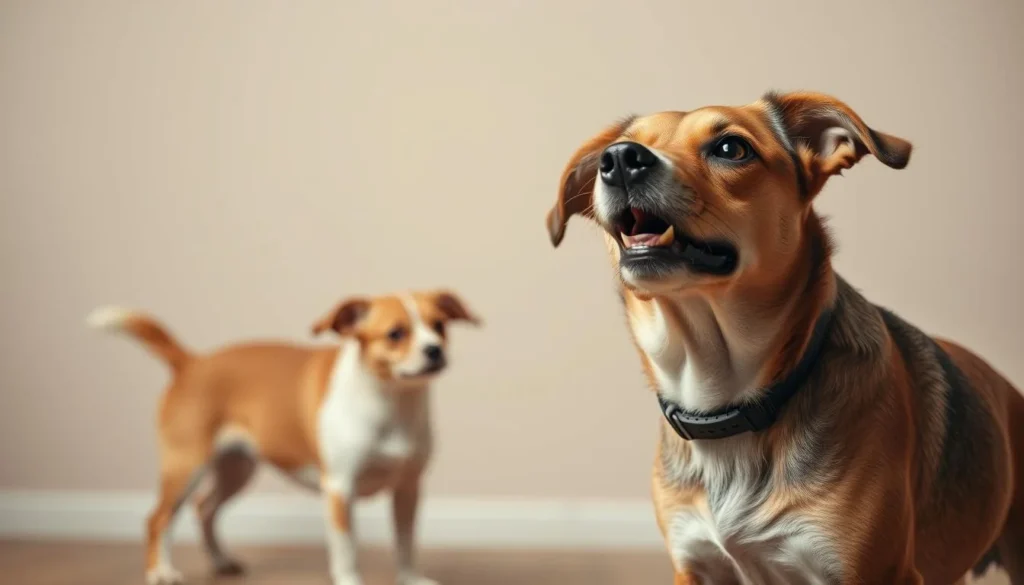
Resource competition: toys, food, and owner attention
When a home has one prized toy or a single feeding spot, dogs notice scarcity. They may defend the item or crowd an owner during greetings. This competition often presents as possessiveness or guarding. I recommend checking who has what, creating multiple resource stations, and using simple training methods for aggressive dogs to teach sharing and calm exchanges.
Insecurity, boredom, lack of exercise, and insufficient mental stimulation
A restless dog looks for outlets. Boredom and low exercise amplify attention-seeking and pushy behaviors. Insecure dogs may escalate to snapping or lunging to control a situation. I focus on daily walks, puzzle toys, and short training sessions. These interventions support managing jealousy in dogs while reinforcing positive habits through canine behavior modification.
Poor early socialization and changes in household composition
Puppies who miss varied, positive experiences often react with fear or possessiveness as adults. Adding a baby, adopting another dog, or bringing in foster pets can trigger territorial responses. I use gradual, supervised introductions and reward calm choices. Consistent training methods for aggressive dogs and staged social exposures reduce stress and help dogs accept newcomers.
I assess environmental triggers first: feeding setups, toy access, and greeting routines. Small changes yield big differences. When I combine clearer resource rules with exercise and targeted behavior work, I see simpler paths to safer, happier homes.
Initial management: safety-first steps to prevent escalation
I start with simple steps to keep everyone safe. These steps help me plan training without making things worse. Quick changes can stop fights and give me time to work on how to correct jealousy aggression in dogs.
Immediate safety measures for multi-pet households
I feed pets separately and use duplicate bowls, beds, and toys. This way, no one feels left out. I remove food-based puzzle toys unless I can supervise, and I keep treats equal so no dog guards what the other has.
I leash both dogs for controlled walks and use gentle leaders if needed. I avoid petting one animal without giving the same attention to the others. This helps reduce tense moments.
Using crates, baby gates, and controlled spaces to reduce conflict
I set up safe zones using crates and baby gates. Each dog has a quiet space to retreat to. Crate training is framed as positive: a secure place for rest instead of punishment.
I use short, controlled practice sessions. I control distance and timing. Small steps and clear cues help me teach one dog to leave the room or settle when tension rises.
When to consult a vet or professional behaviorist
I check for medical issues first because pain or illness can change behavior. If house soiling or sudden aggression appears, a vet visit is my first call.
If patterns escalate, fights become frequent, or biting happens, I contact a certified behaviorist. I document triggers and keep notes to share during dog aggression training or a behaviorist consultation. This helps us build a safe, effective plan together.
Positive training methods for addressing jealousy aggression in dogs
I use gentle, reward-based steps to change feelings and habits. My goal is to teach calm responses when people or other pets draw attention. I focus on short sessions, careful distance control, and precise timing to build trust and reduce guarding.
I start by catching good behavior and rewarding it. When a dog remains calm as a guest arrives or another dog approaches, I mark that moment and treat. This approach fits into broader dog aggression training plans and keeps the dog learning without fear.
Controlled setups help a lot. I place both dogs at a safe distance where tension is low. One dog gets rewarded for watching or looking away rather than lunging. I repeat the exercise, moving closer only when calm responses are reliable.
Reward timing matters. I give the treat the instant the dog shows the desired choice. That clear link teaches what I want more quickly than delayed rewards. I rely on positive reinforcement for jealous dogs so the animal connects calm choices with good things.
I add counterconditioning and desensitization next. I pair a trigger with low-level exposure plus tasty rewards. Over time, the trigger loses its edge. I ignore minor displays of jealousy—no eye contact, no scolding—so those acts do not get accidentally reinforced.
Teaching alternatives is a core step. I train cues like leave it, settle, and go to mat. Each cue gives the dog a clear, safer option when tension rises. I reward immediately for compliance and slowly increase distractions as success grows.
Consistency and frequency are key. I run multiple short drills each week rather than one long session. This schedule supports gradual progress and fits into everyday life without stressing the dog. It mirrors best practices in training methods for aggressive dogs.
Below is a compact comparison to help plan sessions, timing, and goals.
| Focus | Session Length | Primary Reward | Progress Marker |
|---|---|---|---|
| Calm greeting with people | 5 minutes, 3–4 times daily | High-value treats | Dog stays seated while guest enters |
| Tolerance to another dog | 5–10 minutes, twice daily | Treats for gaze or look-away | Closer distance without lunging |
| Counterconditioning to toys | 3–5 minutes, several short reps | Swap treats for relinquished item | Dog gives item or watches calmly |
| Alternative cue practice | 2–4 minutes, multiple times/day | Immediate small reward | Reliable leave it, settle, go to mat |
Practical protocols and drills to reduce jealousy and resource guarding
I guide readers through simple, repeatable steps to calm dogs and teach them to share. Start with short sessions and clear cues for each dog. Use duplicate toys and beds to avoid triggers.
Keep a log of what makes each dog upset. This helps refine the drills.
I focus on three main drills: reward-based games, tolerance exercises, and space management. These drills are part of a routine of short, frequent practice. They teach dogs that calm behavior gets treats and attention.
Toy and food-sharing exercises that reward relinquishing or tolerance
Start with duplicates of valued items. Give one dog a toy, then let the other approach calmly. Reward the first dog for showing interest or relaxed posture.
If the guarding dog lets the other take the toy, mark the moment and reward heavily.
For food-based toys, supervise closely. Remove these items unless you can sit and work the drill. If a dog guards kibble, use a hand-feed trade. Offer a higher-value treat while taking the bowl away, then return the bowl after a calm pause.
This method is key to resource guarding training.
Separate cues for each dog to manage space and defuse tension
Assign brief, distinct cues so each dog knows what to do when tension flares. Teach one dog a leave-the-room cue while the other practices tolerance. Train a settle-to-mat cue for quick space resets during walks or visits.
Use the cues to control distance during drills. When I give a cue, handlers respond predictably. This reduces guessing and lowers stress. Clear cues let me manage interactions without force.
Short, frequent training sessions and how to progress difficulties safely
Keep sessions under five minutes and repeat several times a day. Start at a distance where both dogs stay relaxed. Reward tolerance, then slowly reduce distance or raise the stimulus, such as having the other dog move closer or hold a toy.
If a dog stiffens, growls, or shows clear escalation, back up to a previously easy step. Always end on a positive, calm response. Progress slowly so success compounds.
| Protocol | Goal | Step-by-step | When to back up |
|---|---|---|---|
| Relinquish Game | Teach giving up items predictably | Offer trade→mark soft release→reward heavily→return item | Guarding escalates to snapping or intense stare |
| Controlled Approach | Build tolerance to proximity | Start far apart→reward calm→decrease distance gradually→increase duration | Dog stiffens, freezes, or lip-raises |
| Separate Cues | Manage space and prevent conflict | Teach each dog a distinct cue (leave, mat, settle)→practice separately→use during interactions | Cues are ignored or cause confusion |
| Food-toy Management | Remove high-risk triggers | Duplicate toys/beds→supervise food toys→use trades instead of force | Dogs show resource fixation |
| Progression Log | Track triggers and improvements | Record distance, reaction, rewards, and next step after each session | Behavior shows no improvement over several sessions |
These drills create a practical plan to correct jealousy aggression in dogs. I pair the drills with record-keeping and gradual challenges. This way, each dog learns predictable outcomes from calm choices. Regular practice turns lessons into lasting habits and strengthens the handler’s control when tensions rise.
Home management strategies for long-term prevention and balance
I focus on simple routines to keep peace and reduce jealousy triggers. Small daily changes help manage jealousy in dogs and make our home calmer. These steps are part of long-term strategies for dog behavior and support steady progress.
I use equal attention strategies to avoid favoritism. When I come home, I wait a bit before greeting each pet. I give treats and petting in rotation to avoid rewarding bad behavior.
I set up safe spaces like crates and separate napping areas. This way, each animal has a place to retreat to.
I provide multiple toys, beds, and feeding areas to lower competition. I make sure each pet has at least two toys and beds. I also feed them in separate rooms or on opposite sides of the yard. This reduces competition and jealousy issues.
Exercise and enrichment are part of my daily plan. I walk dogs on predictable schedules and add short training games. I rotate puzzle feeders, scent games, and chew options to prevent obsession. Regular activity reduces boredom-driven jealousy and keeps stress low.
I teach structured cues to manage greetings and space. I train one dog to "leave the room" while I greet another. I practice calm, short sessions to reinforce taking turns. Controlled greetings and supervised play prevent sudden flare-ups.
My long-term plan includes scheduled solo time for each pet. I book short one-on-one walks, targeted training, or cuddle time several times a week. I praise calm behavior and ignore attention-seeking pushes. Over months, these habits cut down incidents and make managing jealousy in dogs far easier.
| Area | Simple Action | Expected Benefit |
|---|---|---|
| Arrival greetings | Pause before petting; reward in rotation | Reduces excitement and demand-driven aggression |
| Resources | Multiple toys, beds, separate feeding spots | Lowers competition and resource guarding |
| Safe spaces | Crates or separate corners for downtime | Gives each animal a secure retreat to reduce stress |
| Exercise & enrichment | Daily walks, puzzle feeders, scent games | Prevents boredom-driven attention seeking |
| Structured cues | Teach "leave the room", mats, and settle cues | Controls interactions and eases supervised greetings |
| One-on-one time | Scheduled individual walks and training | Builds confidence and reduces insecurity |
When to seek professional help: red flags and what to expect
Many owners face tense moments before they seek help. If your dog's reactions get worse, it's time to get outside help. Keep a record of what triggers each event, the sequence of actions, and any health or routine changes.
Signs aggressive behavior is beyond DIY training
Biting, repeated fights, or aggression during normal routines are red flags. If your dog snaps at family, lunges at visitors, or is always possessive, seek help fast. I advise owners to get help right after a bite or when incidents keep happening despite training.
How a certified behaviorist or trainer will assess and build a plan
A certified behaviorist starts with a detailed intake and controlled assessments. They measure distance and threshold, test responses to stimuli, and record how rewards affect behavior. Expect short, frequent sessions and written progress notes. Trainers often film sessions for owners to practice at home.
The plan includes management steps, specific cues, graded exposure exercises, and rewards for good behavior. I find clients do best with a clear timeline, homework, and scheduled follow-ups to track progress and adjust goals as needed.
Working with vets for medical or anxiety-related contributors
Veterinarians check for pain, infections, or hormonal issues that can change behavior. An exam and basic diagnostics are first when there's sudden aggression or new house soiling. For anxiety-driven aggression, vets may suggest medication and behavior modification to lower thresholds and speed progress.
When I work with a veterinarian, we align medication plans with the trainer’s graded exposure work. This teamwork reduces risk and improves the chance of successful dog aggression training without further risk to people or pets.
| Stage | Who leads | What to expect |
|---|---|---|
| Initial screening | Veterinarian | Physical exam, tests to rule out medical causes, baseline behavior notes |
| Behavioral intake | Certified behaviorist or trainer | Detailed history, trigger logs, threshold testing, video review |
| Structured plan | Behaviorist + owner | Written modification plan with management, cues, graded exposure, homework |
| Follow-up and monitoring | Trainer and vet as needed | Short sessions, progress records, medication adjustments if anxiety contributes |
| Emergency response | Behaviorist, vet, possibly trainer | Safety protocols, immediate management steps, urgent care after bites |
Conclusion
I found out that what seems like jealousy in dogs is often about competition or wanting attention. To fix jealousy aggression, I first check for health problems with my vet. Then, I make sure to separate meals, provide enough resources, and use crates or gates when needed.
My strategy is to use positive reinforcement and careful exposure. I reward my dog for staying calm when another pet has a toy. I teach them to leave things alone and go to a mat. I also do short, easy drills that get harder little by little.
In the long run, I keep giving my dog equal attention and keep things interesting. I also stick to a routine to avoid problems coming back. If aggression gets worse or I see biting, I get help from a certified behaviorist and my vet. With time, patience, and careful training, we can overcome jealousy and live in peace.