I remember the first time my Labrador leapt up to greet a neighbor. He caught her jacket with his paws. The surprise on her face, the torn fabric, and my own embarrassment made me realize how easily a loving wag can become a problem. I started studying dog training to stop this behavior and teach calm greetings.
Jumping is a natural way for dogs to get attention. Most owners accidentally reward it with petting or laughter. In this article, I share how to train a dog to not jump on people. We'll use clear, repeatable steps to teach them to greet calmly.
Teaching your dog not to jump has many benefits. You'll avoid scratched hands, keep clothes clean, and reduce the risk of falls. You'll also have better control on walks and around strangers. I'll guide you through positive reinforcement and obedience training to stop dog from jumping in a humane way.
Key Takeaways
- Jumping is natural but often unintentionally reinforced by people.
- Use management to prevent practice while you teach new behaviors.
- Teach an incompatible cue—sit, four-on-the-floor, or place—for greetings.
- Fade treats and generalize training to different people and places.
- Positive reinforcement and consistent dog training techniques produce lasting results.
Why dogs jump on people and the risks of allowing jumping
Many owners wonder why their dogs jump up to greet them. I help them understand this behavior. Dogs jump up because it's a natural way to say hello and get attention.
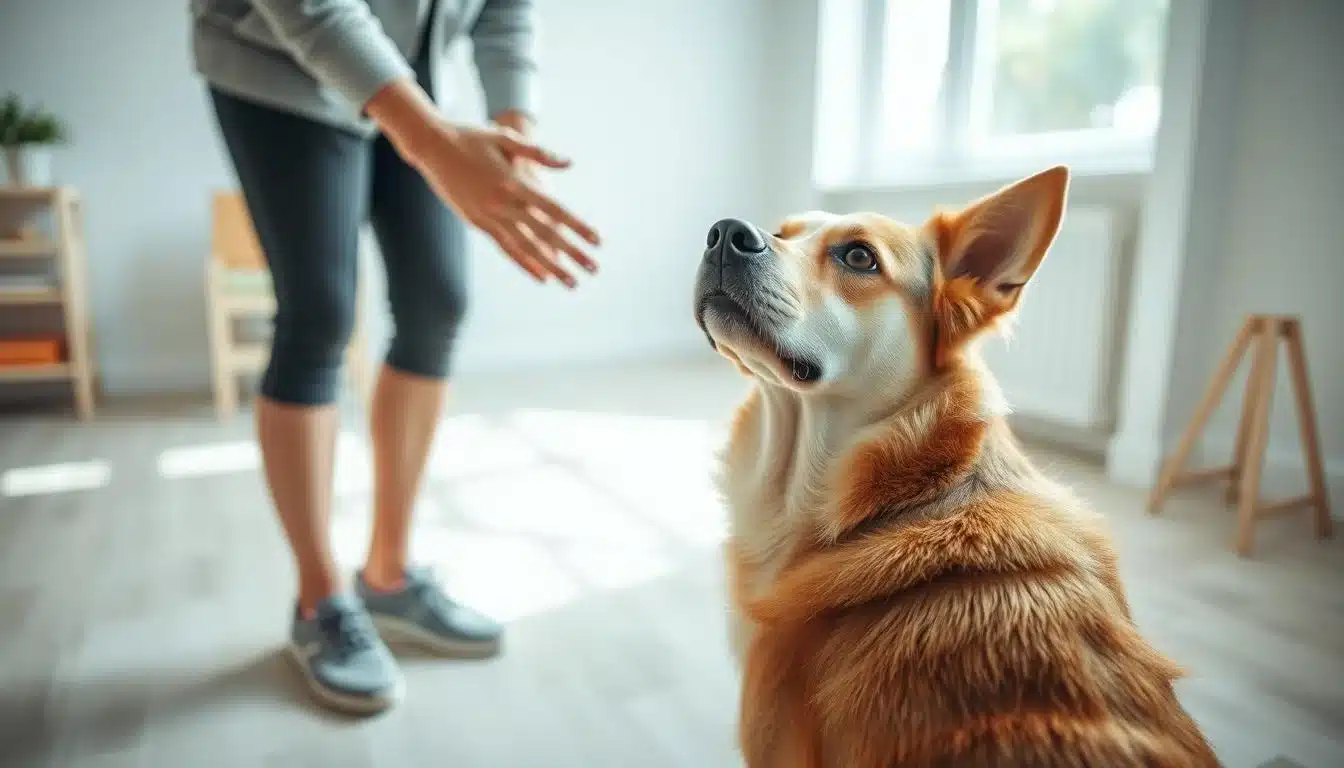
Explaining dog behavior, I point out that both good and bad reactions can make jumping worse. Petting, talking excitedly, and treats make dogs think they're doing something right. Even yelling or pushing them away can make them think they're getting attention.
This shows why it's important to change a dog's behavior consistently. Allowing dogs to jump can lead to problems. They might get their paws dirty or even hurt someone.
Children, older adults, and seniors are especially at risk. They could get knocked over or hurt by a big dog. That's why it's crucial to teach dogs not to jump up.
Early habits are hard to change. Puppies learn by doing what works and building muscle memory. If they jump up as puppies, it becomes a habit as they grow older. Changing this habit takes time, consistent training, and clear rewards.
How to train a dog to not jump on people
Before starting, I set a clear goal. Choose one greeting to reward, like "four on the floor" or a sit. This makes it easier for your dog to learn what to do.
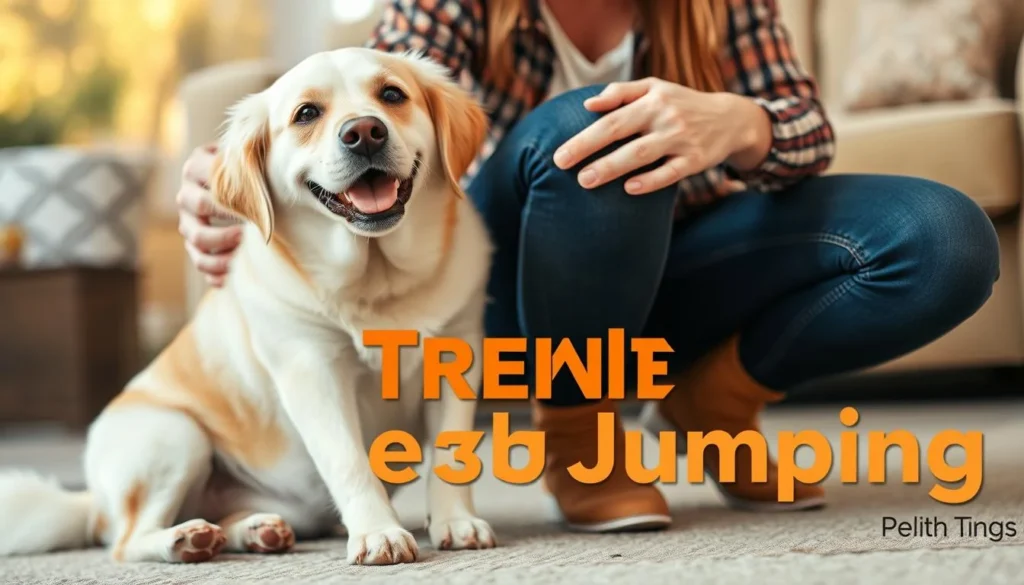
I use a leash and short sessions to teach the chosen behavior. Begin with low distractions. Have your dog sit or stay on a mat while a friend approaches calmly. Reward them with a treat if they stay down.
If they stand, I step back and wait for them to put all paws on the floor. This teaches them to stay calm.
I break training into small steps for success. Gradually increase the distance while rewarding them for staying calm. This builds a strong habit faster than long, overwhelming sessions.
Once they're consistent, I start to fade rewards. Use high-value treats first, then switch to praise and affection. Train with family, then strangers in different places to make the skill general.
Watch out for mistakes that slow progress. Inconsistent rules confuse dogs. Giving attention when they jump can make it worse. Avoid harsh punishment, as it can create fear.
Keep training sessions short and regular. This approach leads to reliable behavior in real-life situations. Use these techniques to see slow but steady improvement in your dog.
Management techniques to prevent jumping while you train
I use simple management to stop jumping during training. This keeps training effective and safe. It also reduces stress for guests and family.
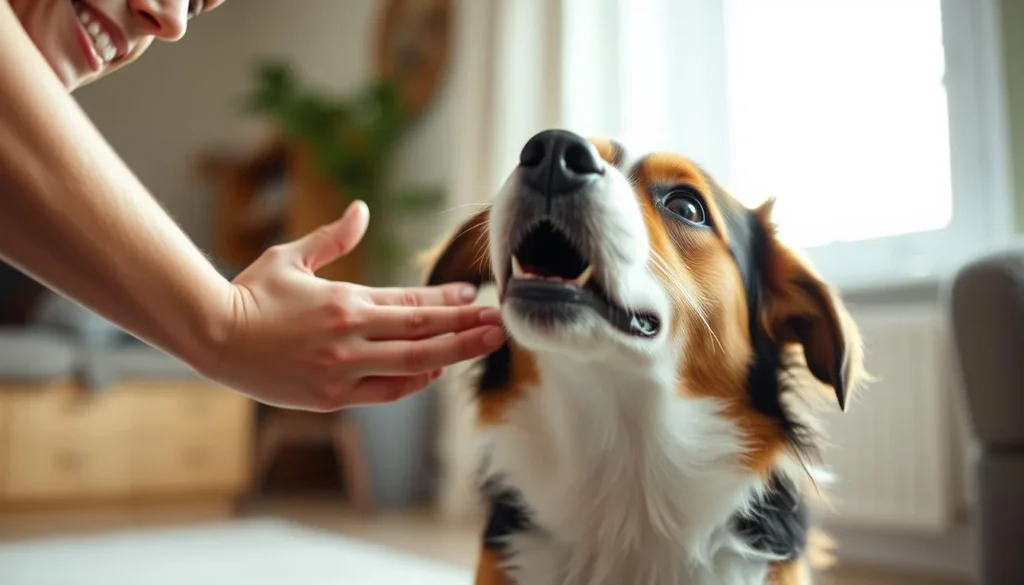
When people arrive, I use crates, rooms, or leashes to control the dog. I put my dog in a crate or a separate room for a few minutes. If I need the dog near me, I tether the leash to a heavy chair.
Gates, leashes, and “Do Not Pet” harnesses help set clear boundaries. I ask guests to wait behind a baby gate or step back when the dog is on leash. A visible Do Not Pet harness tells visitors not to approach.
I prepare the front door before a visitor arrives. I keep treats and toys near the doorway and toss treats away from the threshold. Sometimes I ask the guest to drop a treat on the floor and step in slowly.
On-leash encounters need planning for success. I ask strangers to ignore my dog or to hold a treat and ask for a watch or sit. I give the cue and reward the moment all four paws are on the ground.
- Tip: Reward calm before a guest bends down. That prevents reinforcement of jumping.
- Tip: Rotate toys and high-value treats during rehearsals to keep the dog engaged.
- Tip: Practice brief, frequent sessions so the dog learns quickly and reliably.
Training alternative behaviors that are incompatible with jumping
I teach dogs new skills to replace jumping. I use short sessions and calm practice for faster learning. Here are three alternatives and how to stop using treats.
Teach and proof “sit” for greetings
I start by teaching a reliable sit in quiet places. I use a leash or tether, then ask for a sit from afar. If the dog stands, I step back and ask again. I reward only when the sit is held.
Repeating this in different places and with various people makes the sit reliable for greetings.
Train “four on the floor” using floor-toss treats
I place treats on the floor as a greeter approaches. This way, the dog eats before jumping. On leash, the greeter tosses treats, then steps back while the dog eats.
I repeat this, increasing the greeting time and reducing treats. This teaches the dog to eat first, making four on the floor easier to train.
Teach a reliable “place” or mat behavior for visitors
I train the dog to go to a mat or bed during visits. I reward short stays, then increase the time. A mat gives the dog a clear job and a safe spot during excitement.
I use the mat at the front door to manage greetings. This way, guests can enter without triggering jumping.
How to reward and gradually reduce treat dependence
I start with high-value treats and consistent reinforcement. Once the dog learns, I switch to fewer treats and add praise and petting. I build value in simple scenarios, then fade treats.
This gradual approach supports lasting change. It shows how to use positive reinforcement for jumping dogs in a practical way.
Positive reinforcement for jumping dogs and reward timing
I teach owners to stop their dogs from jumping by teaching calm greetings. The key is to reward the dog for staying calm before giving praise or touch. This way, the dog learns to stay grounded and earn treats for it.
Why rewarding before the dog jumps matters
Rewarding before the dog jumps helps avoid reinforcing the wrong behavior. I place treats on the floor or mark calm moments with a click. Then, I give the reward while the dog is still down. This method speeds up learning and reduces excitement.
Choosing high-value rewards for faster learning
Using high-value treats makes a big difference when training is tough. I use small pieces of cooked chicken or soft training bites from brands like Zuke’s. These rewards help build a strong association quickly during early sessions.
Using praise, petting, and food appropriately
I start with food as the main reward and add low-key praise. Calm voice and gentle petting follow when the dog is settled. I avoid loud cheering to prevent more jumping. Food teaches the rule, and praise supports it.
Transitioning from food to social reinforcement
Transitioning to social reinforcement is done gradually. I fade treats on a variable schedule while increasing petting and calm attention. Guests learn to reward only when the dog is settled, making greetings the reward.
| Training Phase | Primary Reward | Example Reward Items | Goal |
|---|---|---|---|
| Intro / Proofing | Food | Cooked chicken, Zuke’s Minis, cheese | Establish clear consequence: treat given while dog is down |
| Early Generalization | Food + Calm Praise | Soft training treats, low-key “good” and petting | Maintain reliability with visitors and new places |
| Fading | Intermittent Food + Social | Occasional high-value treat, regular calm petting | Reduce treat dependence while keeping behavior strong |
| Maintenance | Social Reinforcement | Petting, calm attention, access to greet | Greetings themselves act as the reward |
Step-by-step training plans and practice progressions
I'll guide you through simple steps to stop your dog from jumping. Begin in a quiet area with people your dog trusts. These plans help your dog learn to be reliable before facing distractions or strangers.
Begin with familiar people and low-distraction environments
Start training with family and a close friend. Keep sessions short and do them often. Reward your dog the moment they keep all four paws on the floor. This builds a strong base for training.
Baby steps: increase proximity and excitement gradually
I divide progress into small steps. Begin with the person standing far away, then closer, then closer still. Add a gentle touch last. Reward calm behavior at each step. Small victories add up to big habits.
Front-door rehearsal sequence for real-world practice
I use a scripted routine to mimic arrivals. Have your dog sit or lie down, then ring the bell. Slowly bring in the greeter. Reward calm behavior with treats. Repeat until your dog greets visitors calmly. This practice helps your dog learn for real-life situations.
Bringing friends and family into consistent training routines
Ask everyone to follow the same cues and rewards. Ignore jumping and reward calm behavior. This consistency helps your dog learn faster and avoids confusion.
Follow these steps and practice the front-door routine often. Keep training routines consistent. This way, your dog will know what to expect.
Behavior modification strategies for stubborn or excited dogs
Watching owners struggle with dogs that greet too enthusiastically is common. I help by teaching clear steps to manage triggers, lower excitement, and build better behaviors. This way, families can take back control.
First, I figure out what makes the dog excited. Is it the arrival of guests, a desire for attention, or something else? Knowing this helps me create a plan that works for each family.
Then, I teach the dog to control its impulses. Exercises like short sit-stays and leave-it drills help. These activities teach the dog to pause and make better choices when people come over.
Next, I add enrichment activities to keep the dog's energy level down. Puzzle toys, short walks, and scent games are great. These activities keep the dog's mind and body busy, making it easier to handle excitement during greetings.
Knowing when to seek help is important. If a dog remains too excited or shows aggression, it's time to get professional help. A certified trainer or veterinary behaviorist can make a big difference.
Consistency is key in dog training. I stress the importance of everyone in the household following the same rules. If one person allows jumping, it can undo all the progress made. Clear rules and consistent training keep the dog's behavior on track.
Finally, I end training sessions with small, achievable goals. These small successes add up over time. With patience and practice, dogs learn to greet calmly, and families can enjoy visitors once again.
Training tips to discourage jumping in specific scenarios
I share strategies to stop dogs from jumping in real-life situations. These steps help dogs learn to greet calmly and keep everyone safe. I mix management with gentle training to ensure progress, even with distractions.
Greeting you when you come home
I practice calm arrivals every time I enter the house. No loud talk or immediate petting. If my dog jumps, I ignore them until they stay calm.
I repeat these short arrivals to teach my dog to only get attention when calm. This simple routine replaces the old habit of jumping for attention.
Sitting while you are seated
If my dog jumps on me while I'm sitting, I stand up and ignore them. I stay calm until they learn to stay down, then I reward them.
Standing up takes away the reward for jumping. By doing this often, my dog learns that staying calm is rewarded, not jumping.
Handling greetings with children, elderly guests, or strangers
With children, I set clear boundaries. I use gates or leashes and teach kids to ignore the dog until it's calm. I stress safety and never let kids train a rough dog.
With elderly guests, I prevent direct contact and teach them how to greet calmly. I ask visitors to wait until the dog is calm before petting. This reduces risks and stops jumping on strangers.
Managing setbacks and reintroducing training after lapses
When training falters, I go back to basics. I use crates or leashes for arrivals and start with simple, low-distraction exercises. I gradually increase excitement as the dog masters each step.
Reintroducing training often means new rewards and short, frequent sessions. This approach helps regain control and keeps training effective over time.
Conclusion
I've found a three-step way to train a dog not to jump on people. First, I manage the dog's environment to stop jumping. Then, I teach them a new behavior like sitting or lying down. Lastly, I reward them for good behavior and slowly stop giving treats.
Being consistent is crucial. I make sure everyone in the house follows the same rules. We use tools like gates and leashes to keep the dog in check. Training starts in quiet places with people the dog knows, then we move to strangers and new places.
Starting training early is important. Puppy habits can last a lifetime. So, training your dog as soon as possible is key. If training is slow or the dog gets too excited, it's time to see a professional trainer or a vet.
With time, patience, and the right rewards, dogs can learn to greet people nicely. Follow my steps, teach them a new trick, and reward them for good behavior. This way, everyone in the house will be safer and more polite.