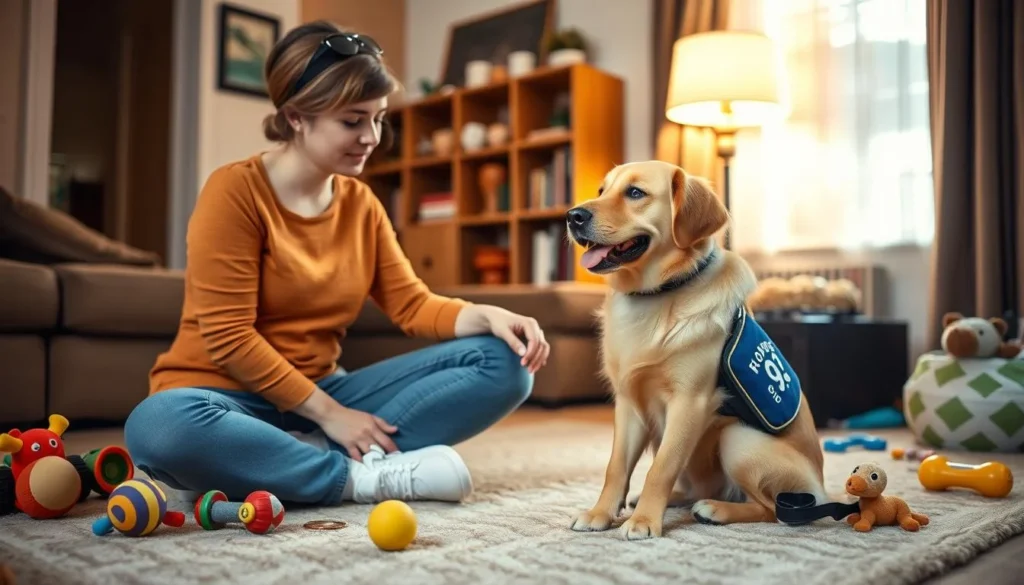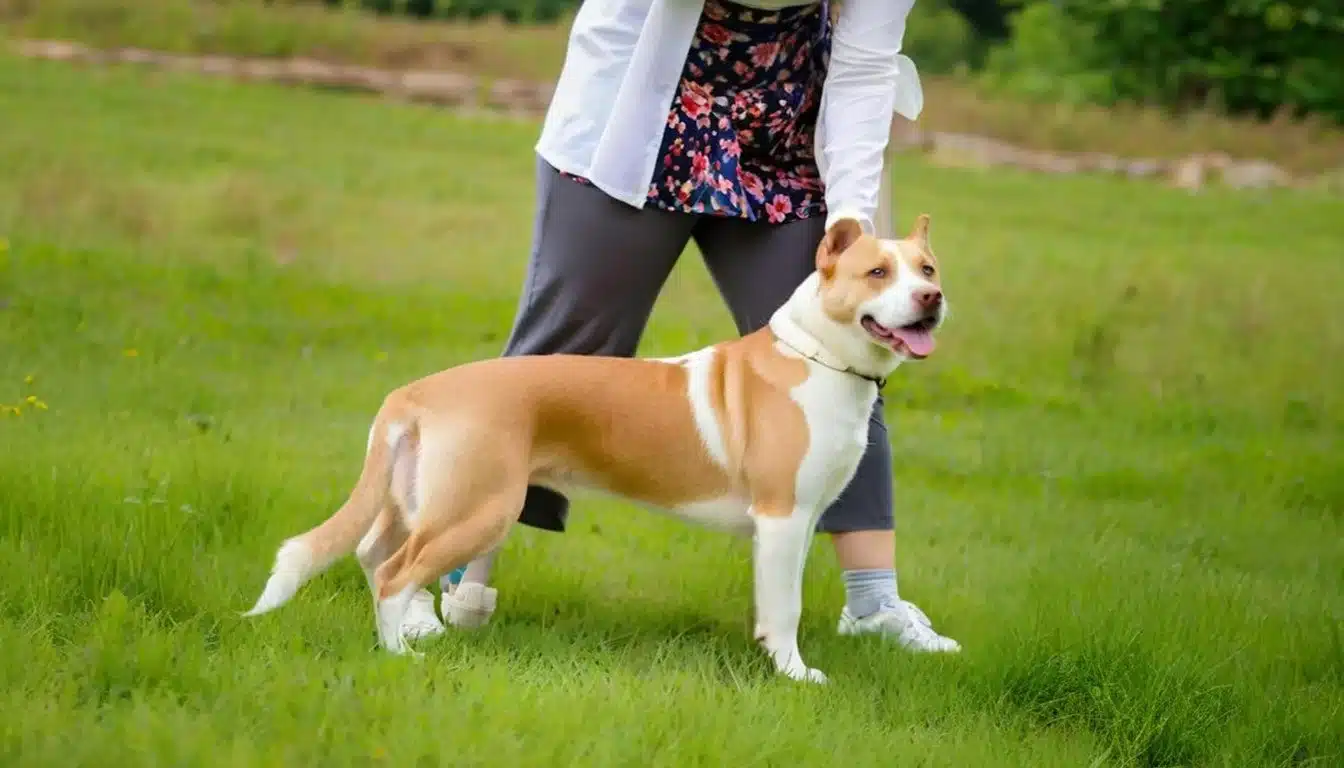
Welcoming a puppy into my home was a joyful moment. But, those little teeth can be sharp! I found myself in unexpected wrestling matches with my pup. It was cute at first, but I soon realized the need to address biting early.
Teaching our dogs not to bite is key for safe interactions. It's not just about peace; it's about raising well-mannered pets. This way, playtime is both fun and safe for everyone.
Every puppy has a natural urge to chew and explore. Without guidance, these playful bites can become dangerous. I want to share my insights to help you through your puppy's mouthing phase. Let's start this journey together!
Key Takeaways
- Puppy mouthing is a natural behavior, but it should be managed early.
- Understanding bite inhibition is crucial for safe interaction.
- Effective dog training tips can help redirect biting behaviors.
- Consistency in addressing biting will aid in your puppy's learning.
- Positive reinforcement plays a significant role in training.
- Early socialization is key to preventing future biting issues.
- Taking time-outs can be an effective strategy for control.
Understanding Puppy Mouthing
As a new puppy parent, it's key to know the difference between normal mouthing and aggression. Puppies use their mouths to explore, which is part of their learning. Knowing if your puppy's biting is playful or aggressive helps in their training.
Normal Behavior vs. Aggression
Mouthing is often just a normal part of a puppy's growth. Knowing the difference can help you find the right way to stop puppy biting. Here are some signs to tell if it's playful or aggressive:
- Playful Mouthing: Soft nibbling, no pressure, often with a wagging tail.
- Aggressive Biting: Hard bites, growling, or a tense body.
Why Do Puppies Bite?
Puppies bite for many reasons, and knowing these helps in training. Here are some common reasons:
- Teething: Puppies chew because of discomfort when their adult teeth come in.
- Playfulness: Biting shows excitement during play.
- Attention-Seeking: Some puppies bite to get attention, whether it's good or bad.
Importance of Bite Inhibition
Understanding bite inhibition is crucial for raising a well-behaved dog. It's about controlling the bite's pressure. This skill prevents accidental harm, especially as puppies grow and meet people and pets.
It's vital for puppies to learn to stop biting early. This prevents bigger behavior problems later on.
What is Bite Inhibition?
Bite inhibition means a dog can adjust the force of its bite. Puppies learn this by playing with their siblings. If a puppy bites too hard, the other will yelp or pull away.
This teaches puppies to be gentle. Knowing this is key when training dogs to be less aggressive.
How Dogs Learn Bite Inhibition
Dogs learn bite inhibition early in life. Play with their siblings is their first lesson. Each interaction teaches them how to play gently.
If a puppy bites too hard, it's a chance to teach them to be gentle. Early training lays the groundwork for safe interactions.
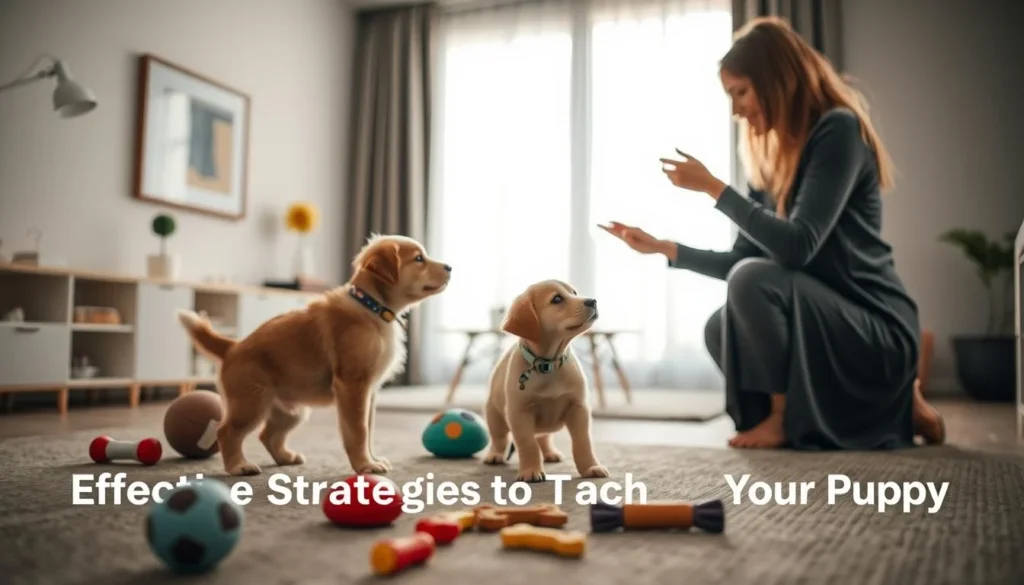
Effective Strategies to Teach Your Puppy
Teaching your puppy the right behavior is key to stop biting. I've found two great strategies: the yelp technique and time-outs. These methods help by rewarding good behavior and stopping bad through clear rules and consistency.
Yelp Technique for Bite Control
The yelp technique is about making a high-pitched sound when your puppy bites too hard. This sound tells your puppy that their bite was too strong. It teaches them that biting is not good and stops them from doing it.
This method is a big part of my puppy training tips. It helps my puppy learn to play gently and understand that biting is not okay.
Using Time-Outs Effectively
Time-outs are very important in dog training. When my puppy bites, I take them away calmly. This shows that biting means no more play or attention.
By doing this, my puppy learns that being gentle gets them more play and love. But biting means they have to be alone. Using time-outs helps set clear rules and encourages better behavior over time.
Dog Training Tips Biting
Managing puppy biting can be tough, but the right methods make it easier. I found that giving lots of chew toys helps a lot. When a puppy bites furniture or clothes, I just give them a toy instead. This keeps my stuff safe and helps prevent biting.
Redirecting to Toys and Chews
It's important to have lots of chew toys for my puppy. These toys come in different textures and shapes, which dogs find interesting. They help my puppy learn to chew the right things.
When my puppy tries to bite me or furniture, I show them their toys. This teaches them what's okay to chew.
Encouraging Gentle Play
Gentle play is key in puppy training. I focus on calm play with my puppy, avoiding rough games. Simple games like tug-of-war with a soft toy teach good play habits.
Using these methods helps my puppy understand better ways to play. It creates a loving space where they learn not to bite me or my things.
Understanding Puppy Body Language
Learning about puppy body language helps me understand my dog better. It lets me know when they're just playing or might be getting upset. This skill is key for better interactions with my dog and for training them well.
Distinguishing Playfulness from Aggression
It's important to tell when my puppy is playing versus when they might be getting angry. Playful puppies are easy to spot because they're relaxed. Their tails wag, ears are up, and they might jump around.
On the other hand, aggressive puppies show signs like stiffening, growling, or staring hard. Knowing these differences helps a lot in training them.
Signs of an Overexcited Puppy
An overexcited puppy can be hard to handle because they act out of control. It's crucial to watch for certain signs to change how we interact with them. Some common signs include:
- Excessive barking or whining
- Jumping or nipping at hands and clothing
- Increased energy and inability to settle down
Spotting these signs early helps me change how we interact. By keeping things calm and using the right training tips, we can avoid overexcitement and teach them to behave better.
Using Positive Reinforcement
Positive reinforcement is a great way to handle dog biting. Puppies love praise and rewards for being gentle. This makes them want to be gentle more often.
Praise for Gentle Biting
When my puppy bites gently, I praise them a lot. It's important to reward good behavior. I use a happy tone and say nice things to them.
Reward-Based Training Techniques
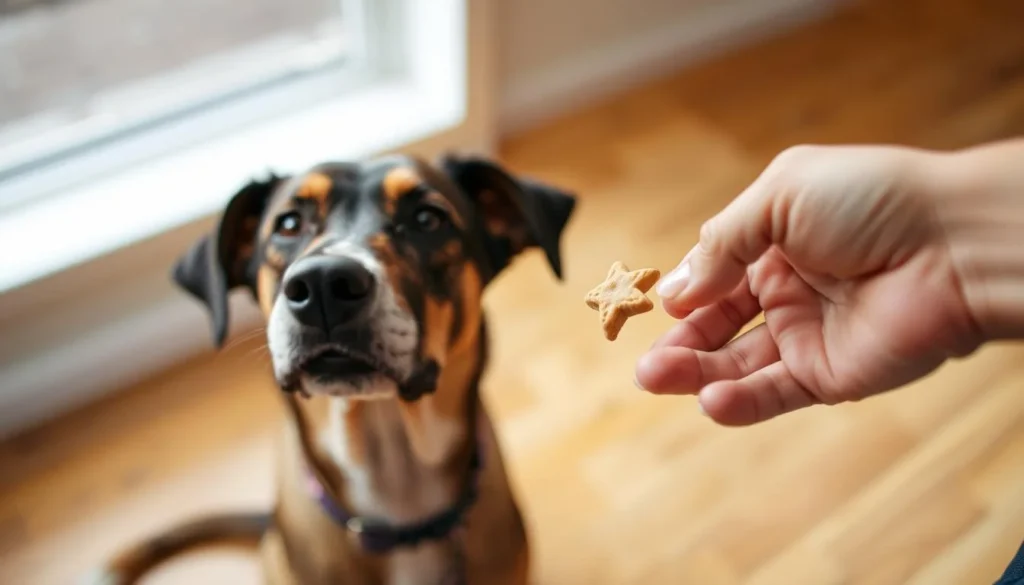
Using rewards makes training fun. Treats or toys help puppies behave well instead of biting. This method has really helped my puppy. They learn that being gentle gets them rewards.
| Behavior | Response | Reward |
|---|---|---|
| Gentle Mouthing | Praise | Treat or Toy |
| Playful Interaction | Encouragement | Extra Playtime |
| Ignoring Biting | Calm Removal | No Reward |
Managing Mouthing Behavior in Adult Dogs
Dealing with mouthy behavior in adult dogs is tough. Many adult dogs pick up these habits because they weren't trained well when they were young. To manage their behavior, it's key to spot early signs of trouble. This way, I can stop bad habits before they get worse.
Signs of Unruly Behavior
Adult dogs show mouthy behavior in different ways. Here are some signs to look out for:
- Excessive barking when they want attention.
- Pawing at me while I’m busy.
- Nipping at clothes or hands playful but forcefully.
- Grabbing objects they shouldn’t be chewing on.
Importance of Training from a Young Age
Teaching good habits early is vital. I learned that training puppies helps a lot. It not only solves puppy biting problems but also helps manage adult dog behavior. Early training makes adult dogs understand what's okay to mouth and what's not.
Ways to Stop Puppy Biting
When I first brought my puppy home, I quickly learned how important it is to implement effective strategies to stop puppy biting. Consistency in dog training techniques plays a key role as any discrepancies can lead to confusion for my furry friend.
Consistency in Training
Using the same commands, tone, and techniques each time my puppy gets rowdy helps reinforce the message that biting isn't acceptable. If I waver in my approach, my puppy might not understand the boundaries I want to set. I stay vigilant and make a point of practicing the same methods with everyone in our household. This unity is essential in guiding my puppy toward better behavior.
Maintaining Calm During Episodes
It's easy to get frustrated when my puppy bites during playtime. I remind myself that staying calm is crucial in these moments. If I react with anger or excitement, it could escalate the situation further. Instead, I take deep breaths and respond with a firm but gentle "no" to signal that the behavior needs to stop. Remaining composed supports my puppy's learning process as well.
Engaging in Non-contact Play
Non-contact play is key in puppy training. It's fun and safe, without the risk of bites. I focus on safe play to teach my puppy good habits while we have fun.
One game I love is tug-of-war. It's great for their mind and body, without any danger to me.
Benefits of Games like Tug-of-War
Tug-of-war helps my puppy learn important skills. It's a chance for them to practice self-control and strengthen our bond. The toy is the focus, so they don't bite my hands.
When they play with a toy, they're less likely to mouth or bite. It's a win-win for both of us.
Keeping Your Hands Safe
Safety is crucial in non-contact play. I use special toys designed for tugging to protect my hands. This way, my puppy can play without worrying about biting.
I also teach clear commands and consistency. This helps create a safe and healthy play environment for the future.
Teaching Alternative Chewing Options
Teaching your puppy to chew the right things is key to preventing biting. Giving them safe dog chews satisfies their need to chew. It also keeps them away from things they shouldn't chew on.
It's important to guide them to the right chew toys. This keeps them happy and entertained.
Providing Safe Chew Toys
Choosing the right chew toys is crucial for your puppy's growth. Look for durable materials like rubber or nylon. These toys can handle tough chewing and protect your home.
Brands like Kong and Nylabone have many options. They suit different chewing styles and preferences.
Encouraging Chewing on Approved Items
To encourage good chewing habits, make approved chew items appealing. Use interactive toys or add enticing scents. This makes them more attractive than your belongings.
Consistent praise and encouragement help your puppy learn. With patience and practice, they'll choose safe chewing options more often.
Utilizing Taste Deterrents
Teaching puppies not to bite can be tough. But using taste deterrents can really help. By putting certain substances on your hands or clothes, puppies learn not to mouth them. This method is part of good puppy training and helps stop biting.
Implementing Natural Deterrents
Natural taste deterrents are a smart choice for teaching puppies what's okay to chew. Some common ones are:
- Apple cider vinegar: It tastes bad to dogs, making it a good pick.
- Citrus scents: Dogs often don't like citrus, so it works well to stop mouthing.
- Commercial bitter sprays: These sprays are made for pets and keep them from chewing on things they shouldn't.
These taste deterrents are great for teaching ways to stop puppy biting. They help puppies learn that biting is not fun. When used with positive rewards, they help puppies learn and remember.
Socialization and Its Importance
Socialization is crucial for a puppy's growth. By letting my puppy meet other vaccinated dogs, I help shape their behavior. This interaction lays the groundwork for good dog behavior training, leading to happy, well-adjusted adult dogs.
Benefits of Puppy Playgroups
Puppy playgroups are great for socialization. They let young dogs learn important skills like bite control through play. My puppy gets to know how to act around others by watching their body language and sounds.
Structured playgroups help prevent puppy biting. They also create a sense of community among young dogs.
How Socialization Affects Behavior
Early socialization shapes a puppy's behavior for life. Exposing my puppy to different places, sounds, and animals boosts their confidence and adaptability. This early experience helps reduce fear-based behaviors, making them well-rounded.
Socialization helps puppies connect with humans and other animals. It leads to fewer bad behaviors. This makes dog behavior training more effective as they grow.
Recognizing When to Seek Professional Help
As a dog owner, I face many challenges when training a puppy. Sometimes, no matter how hard I try, certain behaviors don't change. This is when I know it's time to get help from a professional dog trainer.
It's crucial to know when to seek professional dog training. This is especially true if my puppy shows aggressive behavior or keeps biting, even after trying usual training methods.
Signs Your Puppy Needs Assistance
Knowing when to ask for help is key to my puppy's growth. Here are some signs that it's time to get professional help:
- Persistent biting that gets worse during play or when meeting people.
- Fear-based aggression in new places or towards strangers.
- Severe reactions to people, other animals, or loud noises.
- Too much barking or hiding all the time.
- Can't focus during training sessions.
Spotting these signs means it's time to get training help. Early action can stop problems later and make our bond stronger. When I see these signs, I look for professional support to help my puppy behave better.
Tips for Training Aggressive Dogs
Training aggressive dogs needs a kind approach and understanding their behavior. Knowing why dogs act aggressively is key for any owner. Finding out what makes them aggressive is the first step to training them well.
Understanding Triggers for Aggression
Aggressive behaviors often come from fear, defending territory, or past hurts. It helps to watch for what makes my dog act out. By keeping a record of these moments, I can figure out why and how to fix it.
Collaborating with Behaviorists
Getting help from a professional dog trainer is very helpful, especially with aggression. A certified behaviorist can help me make a training plan just for my dog. Working together means using methods that really work to improve my dog's behavior.
| Trigger | Possible Response | Recommended Action |
|---|---|---|
| Fear of strangers | Aggressive barking | Desensitization to new people |
| Protective instincts | Growling at perceived threats | Controlled introductions to visitors |
| Pain or discomfort | Aggressive snapping | Veterinary check-up |
Understanding what triggers aggression and working with a behaviorist can make our relationship better. Good training keeps everyone safe. With dedication and expert advice, I can make my pet's life much better.
Parenting Your Puppy with Care
Being a dog owner means caring for my puppy deeply. I focus on positive parenting to create a loving home. This means avoiding negative methods that can scare or harm my dog.
Avoiding Negative Reinforcement
Negative reinforcement might seem like a quick solution, but it can cause more problems. I use methods that encourage good behavior without punishment. This way, I build trust and help my puppy learn and grow.
Building a Strong Bond Through Play
Playtime is key to bonding with my dog. It keeps them mentally and physically active. Fun games and exercises help us connect and encourage positive behavior.
Conclusion
As we finish this guide on puppy biting prevention, it's clear that understanding and managing biting is key. Early intervention, consistent training, and socialization are crucial. They help turn a puppy's playful bites into gentle ones.
Using positive reinforcement and giving the right chew toys helps a lot. It creates a space where good behavior is encouraged. Remember, being patient is important as we face these challenges. Every small win helps my puppy grow into a well-behaved adult dog.
Keeping learning and training helps us bond more with our puppies. It also makes sure our furry friends are a pleasure to have around. With the right steps, I'm sure I can help my puppy get through the biting phase. This will strengthen our bond for many years.