I remember the first time my Labrador mix growled at a delivery driver. My heart skipped a beat, and I felt ashamed. I started learning about dog aggression training at home, focusing on spotting triggers and staying calm.
Aggression can look like growling, snapping, or even biting. Any dog can act this way when stressed. It's important to find out what triggers it and use gentle, consistent methods to help.
I found out that some dogs get too excited by everyday things. This can lead to aggression if not handled right. It's crucial to keep them calm, check for health issues, and avoid too much stress. Sometimes, I've looked for dog classes or professional help to get the right support.
Key Takeaways
- Aggression often stems from fear, territoriality, or resource guarding and shows in clear body language and actions.
- Dog agression training should prioritize safety, medical checks, and positive behavior modification over punishment.
- Reactive dogs need gradual desensitization and counter-conditioning with treats, toys, and praise.
- Dog aggression classes and professional behaviorists can provide targeted plans when at-home training stalls.
- Consistent, patient work and proper referrals reduce the chance of escalation and protect family and pets.
Understanding the Causes of Canine Aggression
Aggression in dogs is a sign, not a diagnosis. Finding out why a dog acts aggressively is key to safe training. I look for patterns, medical issues, and what the dog has learned.
Common triggers: fear, territoriality, resource guarding
Fear is a big reason for aggression. A scared dog might snap to scare away a threat. This often happens when the dog feels trapped.
Territorial behavior is when a dog guards its space. This can lead to fights if not handled right. Training and management are crucial.
Resource guarding is when a dog protects its food, toys, or people. I teach owners to spot these items and use safe ways to take them away.
How medical issues can drive sudden aggression
Medical problems can cause sudden aggression. Pain, hypothyroidism, and tumors can lead to sudden changes in behavior. Treating these can solve the aggression.
I always check for medical reasons before starting training. Medication might help in the short term while we work on behavior changes.
Why identifying the root cause matters before training
Ignoring the cause of aggression can make things worse. Different types of aggression need different approaches. I tailor training based on the cause.
Addressing the real reason for aggression leads to faster progress. For example, counter-conditioning helps fearful dogs. Clear management stops dog aggression at home.
| Trigger Type | Common Signs | First Response I Recommend |
|---|---|---|
| Fear-based | Growling, cowering, avoidance, lunging if cornered | Reduce exposure, start counter-conditioning, consult vet if sudden |
| Territorial | Alert barking, blocking doorways, chasing intruders | Manage access, teach alternate routines, gradual desensitization |
| Resource guarding | Stiff posture, guarding items, snapping when approached | Use trade exercises, remove triggers during training, professional guidance |
| Medical/neurological | Sudden change in temperament, seizures, pain signs | Immediate veterinary evaluation, diagnostic testing, integrated plan |
| Predatory or idiopathic | Focused stalking, low warning, unpredictable escalation | Risk assessment, strict management, referral to veterinary behaviorist |
Recognizing Warning Signs of Aggressive Behavior
I start by looking at a dog's body language. A stiff stance, raised fur, and "whale eye" show tension. Quick tail wagging, lip lifting, or odd yawning are signs of stress.

Vocal cues and actions are also important. Growling, snapping, lunging, and biting are clear warnings. Barking with forward movement often means high arousal.
Not all reactive displays are aggressive. Loud barking, lunging, and overexcitement can come from fear or frustration. True aggression aims to harm. I look for triggers, intensity, and if the dog calms with distance.
When training at home, I keep a detailed log. It helps me understand when and why a dog shows aggression. This log guides my training and management strategies.
Household dynamics are key when assessing aggression. I watch body posture, resource guarding, and behavior sequences. Early signs help keep everyone safe and guide our training plan.
Types of Dog Aggression Every Owner Should Know
I break aggression into clear categories so owners can spot patterns and pick the right response. Each type has unique triggers, body signals, and training needs. Knowing the difference helps when choosing dog aggression classes or planning targeted dog aggression training classes.
I describe common forms you will see at home, on walks, or around family. Some dogs growl over food, others snap at strangers, and a few show sudden chasing drives. I use practical examples so you can match behavior to cause before you act or enroll in dog agression training.
Fear and defensive aggression
Fear aggression happens when a dog feels trapped or threatened. A fearful dog may back away, freeze, then lunge if escape feels impossible. Defensive aggression is similar but often stronger; the dog intends to stop a perceived threat. These cases respond best to slow desensitization and safety management.
Resource guarding, territorial, and social aggression
Resource guarding shows up as growling or snapping around food, toys, or beds. Territorial aggression occurs when a dog protects a yard or home from intruders. Social aggression appears between household dogs over status or access to people. Management, trade games, and structured reintroductions are typical interventions.
Predatory, idiopathic, and control-related aggression
Predatory aggression follows the chase instinct and lacks the warning signs of fear-based types. Idiopathic aggression has no clear cause and may need veterinary and neurology checks. Control-related aggression can emerge when handling is inconsistent or forceful; it often improves with predictable, respectful handling and behavior modification.
| Aggression Type | Typical Triggers | Signs to Watch For | Common Strategy |
|---|---|---|---|
| Fear / Defensive | Strange people, sudden touch, being cornered | Tail tucked, cowering, warning growls, sudden bite | Distance, desensitization, calming cues |
| Resource Guarding | Food, toys, resting spots | Stiff posture, growl while eating, snap if approached | Trade-and-take, supervised feeding, management |
| Territorial | Visitors, passersby at fence | Loud barking, lunging at barriers, alert stance | Training for threshold, boundary routines, controlled exposure |
| Social / Intra-household | Competition for attention, toys, space | Mounting, blocking, directed snarls between dogs | Structured separations, supervised reintroductions |
| Predatory | Small animals, fast-moving objects | Silent, intense focus, chase and capture | Preventive management, impulse control games |
| Idiopathic | No clear trigger, may be neurological | Sudden attacks, inconsistent warning signs | Veterinary workup, possible medication, specialist referral |
| Control-related | Rough handling, unclear rules | Aggression aimed at handlers during restraint | Consistent handling, positive leadership, professional help |
I recommend matching your dog’s profile to the right approach before signing up for classes. If you pick a group program, ask whether instructors have experience with the specific type you face. Dog aggression classes and dog aggression training classes differ in focus; some target leash reactivity, others tackle resource guarding.
If the cause seems unclear or the dog poses a safety risk, get a vet check. For complex cases I suggest combining veterinary input with specialized dog agression training and qualified behaviorists to build a safe, effective plan.
Initial Safety Steps to Protect Family and Pets
I start by reducing immediate risk. I use sturdy baby gates and crates to separate dogs during tense moments. A well-fitted muzzle can keep everyone safe for short periods while I arrange professional help. I keep a slip-lead, harness, and a calm plan ready for any sudden escalation.
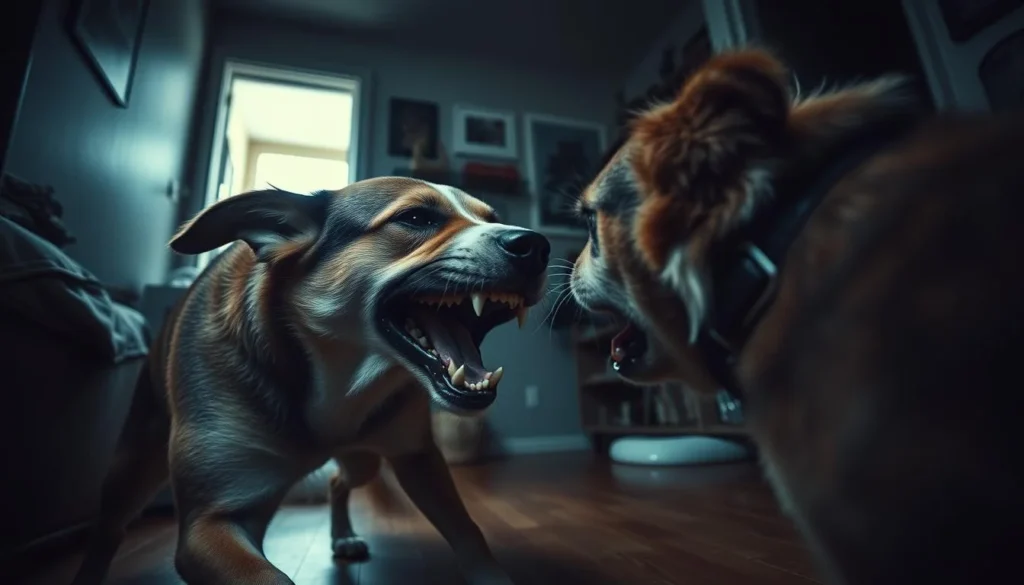
Immediate risk reduction: management tools and barriers
I remove triggers from shared spaces and create clear escape routes for people and pets. Gates let me divide rooms without forcing dogs into tight confrontations. Crates provide a secure resting spot when I need to separate animals quickly.
I introduce a muzzle gradually so the dog does not fear it. I teach the muzzle as part of positive routines during my dog aggression training at home. Short, calm sessions build trust and make management tools feel normal.
Safe handling during outbursts and when to seek emergency help
During an outburst I stay calm and avoid reaching between fighting dogs. I call for help and use barriers instead of my hands. If there is severe injury or persistent, unmanageable aggression, I seek immediate veterinary care and contact a certified trainer or a veterinary behaviorist.
If a child or vulnerable person is at risk, I prioritize removal from the area and contact emergency services when wounds are serious. I tell neighbors and visitors that the dog is in training so they do not unknowingly approach and trigger another incident.
When rehoming or professional intervention becomes necessary
I never try to fix severe aggression alone. I consult my veterinarian and a certified behavior professional first. If multiple interventions fail or my household cannot support strict safety measures, I explore trusted rehoming options rather than risking harm.
I use short-term separation and supervised reintroductions for dogs showing intra-household conflict. I document incidents and share the log with trainers during sessions or when I enroll in dog classes for aggressive dogs to ensure cohesive planning.
Predictable routines, environmental management, and early intervention form the backbone of my approach to dog aggression towards other dogs in home settings. When I combine careful management with targeted dog aggression training at home and expert guidance, safety improves and true behavior change becomes possible.
Why I Always Start with a Veterinary Check
I never start training without checking for medical issues first. A sudden change in behavior could mean hypothyroidism, injuries, or even a brain tumor. These problems can make a calm dog seem unpredictable and more likely to defend itself.
If a vet finds pain or a neurological issue, treatment can help. It can reduce stress and make learning easier. I've seen anxious dogs calm down with short-term medication, making training more effective.
I also ask vets about anxiolytics or SSRIs for fear. These aren't cures but tools to help dogs learn without fear. They make it easier to teach new habits.
Working with a vet behaviorist or your general practitioner is key. We coordinate treatment, management, and training. This ensures safe behavior changes without risking escalation.
I keep detailed records of medical findings. I share them with trainers during classes or sessions. This helps tailor exercises for dogs with defensive tendencies and ensures training follows vet advice.
dog aggression training at home
I start at home with a calm plan. Aggression doesn't disappear quickly, so I set achievable goals. I track small victories to keep things consistent and stress-free for both of us.
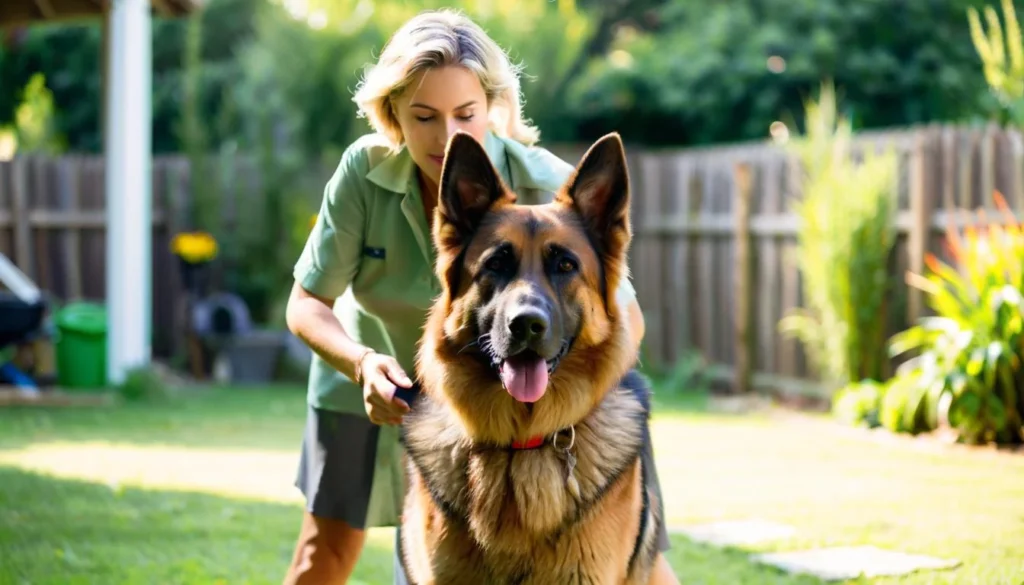
I aim for simple, measurable goals. For instance, I increase the distance my dog notices a trigger by a few feet each week. I count how many times they remain calm during a session and aim for steady improvement.
Setting realistic goals and expectations for at-home work
I write down both short-term and long-term goals before starting. Short-term goals might be three calm responses in a ten-minute walk. Long-term goals include calmer walks near specific triggers.
I keep my goals realistic. When training my dog, I view setbacks as learning opportunities. Regular practice is more effective than intense, sporadic sessions.
Preparing the environment: avoidance of triggers and safe zones
I change our routines to avoid strong triggers. We walk at quieter times and skip busy parks until we're ready. Safe zones at home help my dog relax after training.
When there are multiple dogs, I separate them during meals and when they get tense. I also remove prized items between sessions to prevent resource guarding from hindering progress.
Tracking progress: keeping a trigger and behavior journal
I keep a simple journal with details like date, trigger, distance, reaction, and reward. This log helps me identify patterns and share data with trainers or vets.
In my journal, I note what works and what doesn't. This helps me make adjustments and decide if we need professional help or classes.
| Focus | Practical Step | How I Measure It |
|---|---|---|
| Distance tolerance | Begin outside trigger radius and decrease distance gradually | Feet tolerated without reaction; target increases weekly |
| Calm responses per session | Short sessions with high-value rewards for calm behavior | Number of calm moments in 10 minutes; aim for 3–5 |
| Environment control | Schedule walks at quiet times; remove risky items at home | Number of uncontrolled exposures per week; goal = zero |
| Documentation | Daily trigger and behavior journal | Entries per week shared with trainer or vet for review |
| Professional support | Attend targeted sessions if progress stalls | Compare home gains to benchmarks from dog aggression training classes |
Positive Reinforcement Techniques That I Use
I use reward-based methods to change how dogs react to stress. Punishment can make aggression worse and hide warning signs like growling. My calm, measured approach works at home or in classes.
I start by finding a distance where the dog feels safe. At that spot, I reward calm behavior with treats or toys. This builds trust before I move closer.
Counter-conditioning: turning triggers into predictors of good things
I let the trigger appear at a safe distance and reward the dog right away. The dog learns the trigger means good things. I keep sessions short and predictable to help the dog understand.
Reward timing and value: treats, toys, and praise
Fast, valuable rewards are key. I use small, soft meat treats the dog loves. I also use toys or praise when treats aren't available. This teaches the dog what behavior I want, in classes or at home.
Using desensitization steps to move closer to triggers safely
I take small steps closer to the trigger. I only move forward when the dog is calm. If they lose calm, I step back and reward them again. Progress can take time, so I keep detailed notes.
Practicing in dog aggression training classes is helpful. A skilled instructor can guide you. If you prefer home training, combine it with classes to reinforce what you learn.
For resource guarding, I use trade-and-take routines. For complex aggression, I work with a vet. I focus on gradual, reward-driven progress, never forcing interactions.
Practical Exercises for Leash Reactivity and Social Aggression
I guide you through simple drills to help your dog feel calm on walks. These exercises help control distance, use rewards, and introduce triggers slowly. By following these steps daily, you can build trust and predictable responses in your dog.
First, focus on keeping a safe distance from triggers. When your dog remains calm, mark the moment and give a treat. Gradually decrease the distance while keeping rewards consistent.
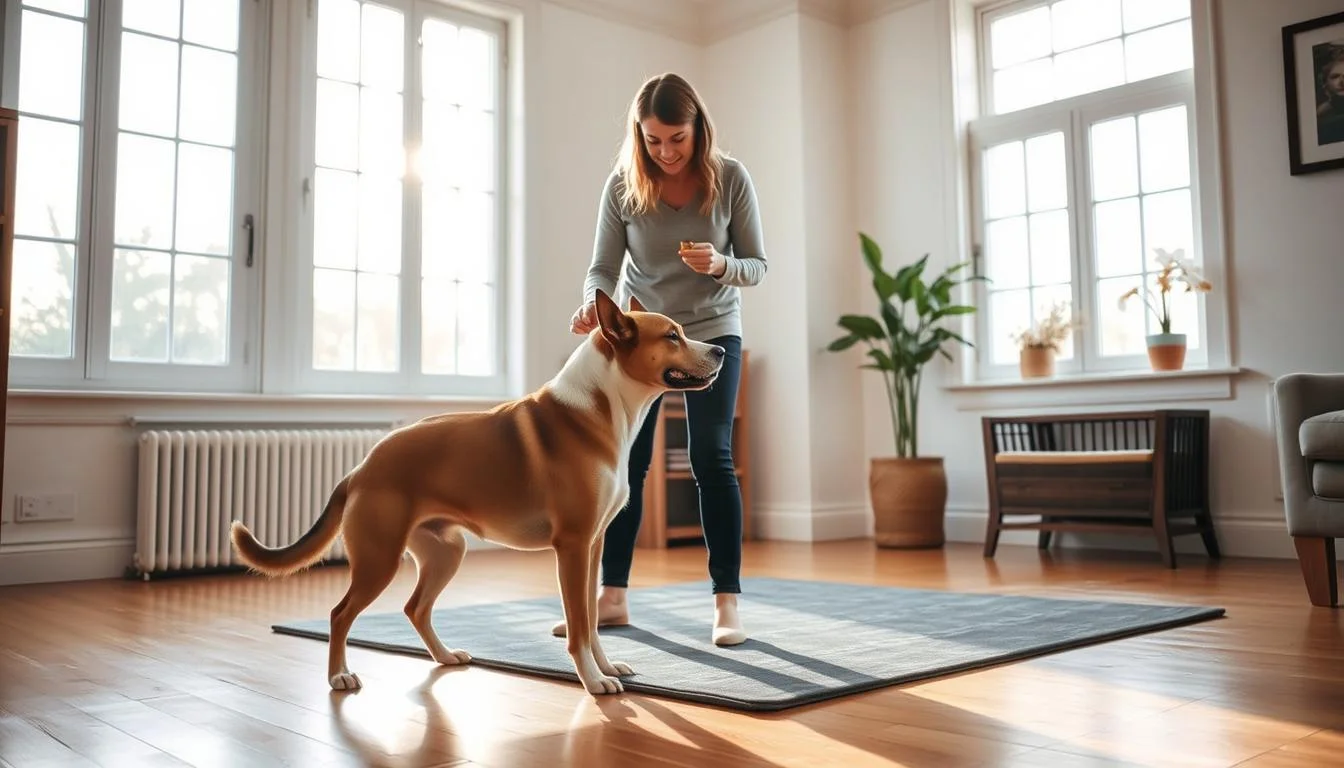
Next, use short drills to shift your dog's focus back to you. Ask for eye contact and reward it. This trains your dog to look at you instead of reacting to triggers. These drills are perfect for home training because they only need a leash, treats, and a calm plan.
Once your dog is calm, start socializing them with other dogs. Begin at a distance and reward both dogs for calm behavior. Quiet parks or private yards are best to avoid stress and aggression.
Having a friend help with training makes it more reliable. They can walk their calm dog or act as the trigger. Reward your dog for looking at you instead of the approaching dog. This setup is similar to dog classes but can be done at home.
For conflicts between dogs in the home, separate them during tense moments. Use supervised meet-ups with neutral handlers for reintroduction. If aggression persists, long-term management and professional help may be needed to ensure safety.
| Exercise | Goal | Steps |
|---|---|---|
| Distance Control | Prevent escalation | Identify threshold, keep distance, reward calm, reduce gap slowly |
| Focus Drill | Redirect attention | Ask for eye contact, reward immediately, repeat for short sessions |
| Controlled Approach | Safe social exposure | Use calm helper or dog, start far, reward relaxed behavior, move closer gradually |
| Home Reintroduction | Resolve intra-household tension | Separate when tense, use supervised neutral meet-ups, keep sessions short and positive |
| Practice Routine | Consistency | Short daily sessions, track progress, consult trainers or attend dog classes for aggressive dogs if needed |
Managing Resource Guarding and Possessive Aggression at Home
I see resource guarding as a survival tactic that can change with patience and consistency. I start by lowering risks and teach the dog that people coming near means rewards, not threats.
I never scold a dog for growling. Punishing them can make bites more unexpected and dangerous. I aim for safe ways to approach food and favorite items to keep stress low and learning high.
Safe ways to approach food or prized items without escalating
I begin by standing far enough away so the dog feels calm. I throw high-value treats towards the dog while I move by bowls or toys. This teaches the dog that people near their things means good stuff.
I move slowly and keep my body language calm. If the dog stiffens or shows whale eye, I step back and give more space. This helps avoid any bad situations and keeps everyone safe.
Trade-and-take games to reduce guarding behavior
I play a simple game where I trade a tasty treat for the guarded item. The dog learns that giving up leads to something better, which makes them less possessive over time.
I keep training sessions short and follow a routine. I start with low-value items and move to bones or favorite toys. If progress slows, I seek help from dog aggression training classes or a vet behaviorist for personalized advice.
Environmental management: remove triggers when not training
I take away high-value items and bowls when dogs are alone. This reduces guarding and keeps the home safe. In homes with multiple dogs, I keep dogs apart during meals and chew times until they trust each other more.
If guarding is serious, I seek professional help instead of guessing. A trainer or behaviorist can create a safe plan to tackle dog defensive aggression and ensure everyone's safety.
Addressing Intra-Household and Dog-to-Dog Aggression
When two or more dogs live together, tension can build. This tension comes from fighting over resources, unclear rules, or stress. My first move is to keep them safe and follow a routine.
I put dogs in safe spots after a fight. Crates, baby gates, or separate rooms help. I also make sure they eat in different places and at different times to avoid food fights.
After a calm-down period, I let dogs meet again. I start with them far apart and reward them for staying calm. I never push them to meet. Short, controlled meetings help them learn to greet each other nicely.
I keep a record of every fight. I note what happened before, how long it lasted, and what resources were involved. This helps me understand their triggers and plan a training program.
If dogs can't get along, it's time for a pro. Repeated fights, injuries, or failed meetings mean it's time for a trainer. I look for local trainers or certified behaviorists. Dog classes can also help with structure and social skills.
Consistent routines help dogs get along better. I make sure they have set times for walks, play, and rest. Clear rules help them know what to expect. This leads to more peaceful interactions over time.
I adjust my home to fit each dog's needs. If one dog is scared on a leash but calm off, I change their environment. My goal is to make progress safely, using management, positive reinforcement, and training to bring peace back.
When and How to Involve a Professional Trainer or Behaviorist
Don't try to handle serious aggression by yourself. If your dog shows signs like lunges, biting, or fear, get help from your vet and a behavior expert. Ask your vet for recommendations or check the Association of Professional Dog Trainers for trusted professionals.
Seek specialists if you're not making progress or if it's risky. A behaviorist will analyze your dog's health, history, and triggers to create a safe plan. They should provide clear safety steps, realistic timelines, and specific goals before starting any training.
Differences in expertise
There are three main roles: trainers for obedience and behavior, certified applied animal behaviorists for research-based methods, and board-certified veterinary behaviorists for medical expertise. Each is valuable depending on the situation.
What a professional assessment looks like
I expect a detailed assessment of triggers, body language, and past efforts during an initial evaluation. The professional should give a written plan with step-by-step desensitization, safety tips for your home, and regular check-ins.
Choosing the right help
Check certifications, ask about aggression experience, and request references. Look for specifics on their training methods and success measures. Choose trainers who offer small-group or private sessions for aggressive dogs, tailored to safety.
Medication and collaboration
For aggression caused by fear or anxiety, a team approach is best. A veterinary behaviorist can suggest medication that works with your training plan. I expect them to work with my vet to ensure the medication supports the training goals.
What to expect from classes
In dog aggression classes, look for structured lessons, controlled socialization, and regular feedback from the coach. Good programs focus on positive reinforcement and clear goals, not quick fixes.
Final practical checks
Before joining, ask for a detailed lesson plan, safety measures for incidents, and a refund or pause policy if needed. This ensures you're choosing the best option for your dog and family.
Conclusion
I've talked about why finding the root cause is key in dog aggression training at home. Pain, thyroid issues, or neurological problems need vet care and sometimes meds. Punitive methods only make things worse.
My method focuses on positive reinforcement and predictable routines. This helps prevent aggression from getting worse. I teach owners to protect their pets and family, avoid triggers, and use rewards to change behavior.
Not every case can be solved at home. Sometimes, professional help is needed. Dog aggression classes, certified trainers, and vet behaviorists are great resources. If safety is still at risk, rehoming might be the best option. With the right approach and support, you can make your home safer and calmer for everyone.