
As a devoted dog owner, I've often sat on my porch, feeling sad, as my dog barks at everyone who walks by. The joy of having a furry friend is sometimes lost in the frustration of too much barking. I found that understanding why dogs bark and using effective strategies is key to a peaceful home.
Learning the best way to train a dog not to bark changed my relationship with my dog. It made our home much quieter. In this article, I'll share tips that helped me stop dog barking. We'll focus on quiet command training for dogs, which helps both the owner and the pet.
Key Takeaways
- Understanding the reasons behind excessive barking is crucial.
- Effective training techniques can significantly reduce disruptive barking.
- Implementing the "quiet" command is an essential part of training.
- Consistency in training leads to lasting behavioral changes.
- Positive reinforcement can motivate dogs to adopt quieter behaviors.
Understanding Why Dogs Bark
It's key to know why dogs bark to train and manage them well. Barking can show a dog's feelings, instincts, or needs. By knowing the common reasons, we can tailor our approach to their specific behaviors.
Common Reasons for Barking
Dogs bark for many reasons. They might bark to show they own the place, react to sounds, or get attention. They also bark with excitement when they see people they love.
Types of Barking
There are different types of barking, each with its own reason. This helps us understand our dogs better. Here are some examples:
| Type of Barking | Description | Example |
|---|---|---|
| Territorial Barking | Barking to defend territory or warn intruders | Protecting the home or yard |
| Alarm Barking | Barking in response to unexpected noises or stimuli | Reacting to doorbells or sirens |
| Attention-Seeking Barking | Barking to gain attention or initiate play | Insistent barking for food or toys |
| Fear Barking | Barking due to fear or anxiety | Reacting to unfamiliar situations or objects |
Knowing these types helps us understand our dogs better. We can then train them in ways that meet their needs for barking.
Territorial Barking
Territorial barking is a common problem for dog owners. Dogs bark when they feel their territory is threatened. This could be from strangers, other animals, or new sounds. Knowing why your dog barks is key to managing it.
The first step is to find out what makes your dog bark. Once you know what triggers their barking, you can start to fix it.
Identification of Triggers
Figuring out what makes your dog bark takes attention. Common things that make dogs bark include:
- Passing pedestrians
- Other dogs in the area
- Delivery vehicles
- Specific sounds, like doorbells or alarms
Knowing these triggers helps you understand why your dog barks. This lets you plan how to stop the barking.
Management Strategies
There are ways to manage your dog's barking. Here are some strategies:
- Give your dog a "go to" spot when someone comes to the door. This spot makes them feel safe and less likely to bark.
- Block your dog's view of outside with curtains or barriers. This stops them from seeing things that make them bark.
- Reward your dog for being quiet. This encourages them to stay calm.
- Play with your dog to distract them from things that make them bark.
Alarm Barking
Alarm barking is a common behavior in dogs. It happens when they hear or see something unexpected. I'll share how to recognize and manage alarm barking. Knowing about it helps keep your home calm and peaceful.
Recognizing Alarm Barking
Alarm barking shows when dogs are stressed or alert. They might stiffen, raise their hackles, or stare at the cause. This usually happens with new sounds or movements.
Training Techniques
Training can help reduce alarm barking. Start by teaching a "quiet" command. Let your dog bark a bit, then say "quiet." When they stop, give them treats or praise.
This method teaches them to calm down faster. It makes them more relaxed in scary situations.

Attention-Seeking Barking
Many dog owners face the issue of attention-seeking barking. My dog barks to get my attention for walks, treats, or affection. It's key to understand this behavior for better training and communication.
Identifying Attention-Seeking Behavior
I've noticed my dog's barking patterns. He barks in certain situations, like:
- Barking when I sit down to relax.
- Demanding playtime by barking in front of me.
- Barking near the door when he wants to go outside.
Spotting these moments helps me address his needs. It shows he wants interaction or activity.
Redirecting Attention
Redirecting his attention is a good strategy. I reward him for staying calm instead of barking. This encourages positive behavior and teaches him to communicate differently. Some ways include:
- Waiting for a moment of silence before providing attention.
- Engaging him with toys or activities instead of responding to barking.
- Practicing commands during quieter moments to build focus.
Redirecting his attention teaches him that calm behavior is rewarded more than barking.
Teaching the "Quiet" Command
Teaching a dog to be quiet starts with a clear plan. I use a step-by-step method to help my dog get it. First, I let them bark a bit to release energy.
Then, I say "quiet" calmly while giving a treat. This grabs their attention and shows them what I want.
When they stop barking, I give them a treat right away. This makes them link being quiet to good things. As time goes on, I make them stay quiet longer before giving a treat.
I practice this in different places. This helps my dog learn to be quiet everywhere, not just at home.
It's important to use good ways to reward them. Saying nice things and giving treats helps a lot. This makes my dog happy to be quiet.
By doing this, I aim to have a dog that knows when to be quiet. This makes them a better friend and a happier pet.
Exploring Bark Control Methods
Managing excessive barking can be a challenge. But, there are many bark control methods to choose from. Each method has its own strengths and weaknesses, helping pet owners find the best fit for their dog.
Citations on Effectiveness
Research shows that different methods can control barking. For instance, citronella collars are effective for many dogs. However, some dogs may learn to ignore them over time. This is a key limitation.
Strategies like reducing noise distractions also have mixed results. Knowing these details helps us understand which methods work best.
Pros and Cons of Each Method
| Bark Control Method | Pros | Cons |
|---|---|---|
| Citronella Collars | Effective for many dogs; easy to use | May not work for all; potential for habituation |
| Ultrasonic Devices | Non-invasive; activates on barking | Effectiveness can vary; might not work with all dogs |
| Environmental Management | Reduces exposure to triggers; low-cost | Requires consistent effort; may need time to implement |
| Training and Commands | Permanently reduces barking with practice | Time-consuming; requires owner commitment |
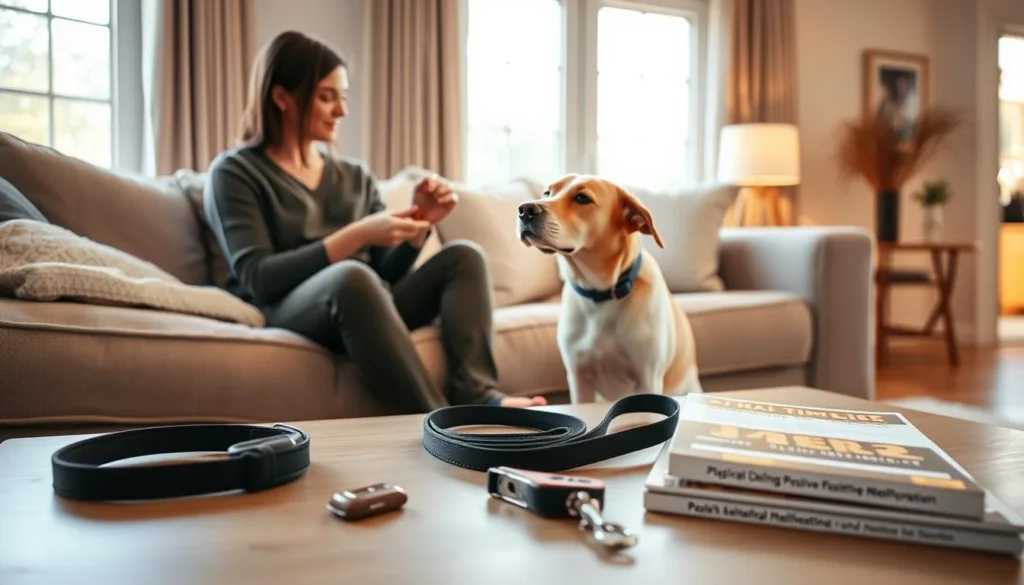
Positive Reinforcement for Barking Dogs
Positive reinforcement is a great way to handle barking dogs. It rewards good behavior, making your dog more likely to do it again. Understanding how reinforcement works is key, especially when trying to stop barking.
By rewarding my dog for being calm, I teach them to stay quiet. This helps them learn to handle triggers without barking.
Understanding Positive Reinforcement
Positive reinforcement means giving a reward right after a good behavior. This could be treats, praise, or playtime. It shows your dog that being quiet is a good thing.
Over time, my dog has learned to connect quiet with rewards. This has improved their behavior a lot.
Implementing Positive Reinforcement
Using positive reinforcement takes time and consistency. Look for times when your dog is quiet, even when they usually bark. Give them praise or treats to reinforce this behavior.
Having a reward schedule helps. It makes a routine for your pet. By rewarding calmness regularly, my dog has learned to be quiet in different situations.
| Behavior | Reinforcement Strategy | Expected Outcome |
|---|---|---|
| Barking at strangers | Rewards for quiet behavior | Decreased anxiety and barking |
| Barking during play | Praise for calmness | Improved focus and reduced barking |
| Barking at noises | Treats for remaining silent | Greater trust and security |
| Barking for attention | Attention only when quiet | Learning to seek attention more quietly |
Sticking with positive reinforcement has made a big difference. It has made our home a more peaceful place.
Effective Dog Training Tips
Training a dog takes dedication and knowledge. I stick to clear guidelines to keep focus. I shape commands my dog can grasp and create a positive learning space. Consistency is key to reinforcing good behavior, making my pet well-mannered.
General Training Guidelines
Effective dog training tips include these guidelines:
- Establish clear commands that remain constant throughout training.
- Use positive reinforcement, rewarding good behavior immediately.
- Keep training sessions short and engaging to hold your dog's attention.
- Practice regularly, aiming for daily sessions to build skills.
Consistency in Training
Consistency in training is crucial for my dog to understand expectations. It’s important to:
- Apply the same techniques and commands across different settings.
- Avoid reinforcing unwanted behaviors by remaining vigilant.
- Encourage others in the household to follow the same training approach.
- Be patient; lasting change takes time and effort.
This strategy leads to meaningful progress in my dog's behavior. It strengthens our bond and helps us reach our training goals.
Best Way to Train a Dog Not to Bark
Training a dog not to bark needs a solid plan. First, figure out what makes your dog bark. Then, use methods that fit your dog's needs.
Comprehensive Strategy Overview
A good plan includes being consistent, patient, and supportive. Teach your dog the "quiet" command clearly. Use treats and affection to encourage good behavior.
This approach not only stops barking but also strengthens your bond.
Integrating Techniques for Success
Using different techniques in daily training works well. Adjust your dog's environment to avoid triggers. For example, block their view of passersby if they bark at people.
Practice regularly so your dog knows what to do. Customizing these strategies for your dog's behavior makes a big difference in keeping things calm.

Socialization to Reduce Barking
Socialization is key in reducing barking by exposing dogs to various environments and people. This helps them feel more confident and comfortable in different situations. It's important to understand how socialization benefits our dogs.
Benefits of Socialization
Socialization offers many advantages. It helps dogs handle new situations better, reducing their anxiety. A well-socialized dog is more likely to be calm and happy in new situations.
How to Effectively Socialize Your Dog
To socialize your dog effectively, arrange controlled meetings with other dogs or people. Encourage calm behavior during these interactions. This helps your dog feel secure and reinforces good behavior.
Dealing with Hyperactivity
Dealing with hyperactivity in dogs can be tough. Many hyperactive dogs bark a lot because they have too much energy. It's key to manage their energy with a good exercise plan.
Exercise and its Importance
Exercise is very important for hyperactive dogs. It helps them use up their energy and stay healthy. I take my dog for fast walks, runs, or play fetch.
These activities help lower their hyperactivity and barking.
Providing Mental Stimulation
It's also important to keep their minds active. Puzzle toys, training, and games are great. They help dogs use their energy to solve problems, not bark.
I change my dog's toys often to keep things fun and mentally stimulating.
Combining exercise and mental games makes a great routine. It helps manage hyperactivity well. I've seen big improvements in my dog's behavior, making our home quieter.
Utilizing Distraction Techniques
Using distraction techniques in your dog's training can really help cut down on barking. By focusing their attention on fun activities, they bark less. There are many ways to do this, making life better for everyone.
Effective Distraction Methods
It's key to keep your dog interested in activities that grab their attention. Some great ways include:
- Puzzle toys that challenge their problem-solving skills.
- Interactive games designed for training and fun.
- Teaching new tricks to stimulate mental engagement.
These activities not only reduce barking but also strengthen your bond. They make your dog more eager to learn and obey.
Games and Activities to Engage Your Dog
Playing games with your dog is a great way to keep them active and focused. Try activities like:
- Hide and seek, where your dog uses their nose to find you.
- Fetch with a twist, incorporating commands before they retrieve the toy.
- Obstacle courses that challenge their physical agility.
Adding these games to your routine makes training fun for both of you. It encourages less barking and brings joy to your home.
Outdoor Barking Solutions
Managing outdoor barking can be tough, especially with dogs getting distracted by their surroundings. To solve this, we need a mix of training and changing the environment. This helps reduce distractions and keeps dogs calm.
Managing Outdoor Distractions
Managing distractions is key to handling outdoor barking. I train my dog in different outdoor spots to teach them to stay calm. This practice helps them handle unexpected sights or sounds better.
Restricting Visibility of Triggers
Another good idea is to restrict visibility of things that make dogs bark. Using fences or plants can block their view. This helps keep them calm and makes outdoor time more enjoyable for them.
Canine Behavior Modification Techniques
Understanding how to change our dogs' unwanted behaviors is key. This method focuses on specific issues using different techniques. It's all about making our dogs better while keeping our bond strong.
Understanding Behavior Modification
Behavior modification is about changing bad habits with careful planning. It's important to know how things like rewards and gradual exposure work. Remember, changing behavior takes time and patience.
Popular Techniques Explained
One top method for stopping barking is to gradually expose dogs to triggers while rewarding calmness. This helps my dog link good things to the triggers that make them bark. With time and a plan made just for them, my dog's barking gets better. It makes them happier and me too.
Setting Up the Environment
A well-structured environment greatly affects a dog's behavior. It's key to reduce triggers that cause anxiety or barking. Knowing what makes up your dog's space helps create a calm place for them.
By arranging things carefully, you can make a safe haven for your dog. This place should make them feel secure and relaxed.
Minimizing Environmental Triggers
Identifying what stresses your dog is a good first step. This could be outside noises, smells, or other pets. Making small changes, like using sound machines, can help a lot.
My dog feels better when I reduce these stressors. It's amazing how a few tweaks can make a big difference.
Creating a Calm Space for Your Dog
Having a quiet area for your dog is essential. This space should be cozy, with comfy bedding and toys. Adding calming scents can make it even better.
When my dog feels stressed, I guide them to this calm spot. It really helps them stay calm and relaxed.
Conclusion
Training your dog not to bark too much needs a mix of methods. I've discovered that knowing why they bark is key. By finding out what makes them bark, I can use the best techniques for us.
Effective training includes socializing and using positive reinforcement. These methods not only cut down on barking but also make our bond stronger. It's all about being patient and dedicated.
With the right tools, we can have a quieter and happier home. Training your dog is a journey, and the benefits are worth it. Let's start this journey together for a peaceful life with our pets.