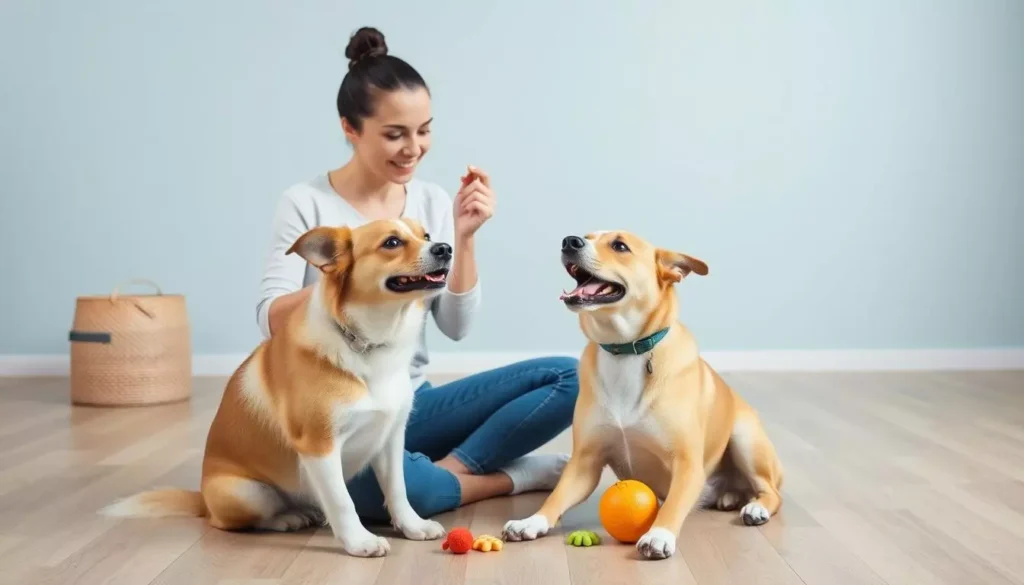
When I first brought my puppy home, I was filled with joy. But soon, that joy was mixed with sharp little nips. I knew I had to teach her not to bite.
Puppies naturally explore the world with their mouths. While it's cute, it can hurt. I learned to understand why she bit and how to stop it.
I want to share how I changed our playtime. I used training techniques that made our bond stronger.
Key Takeaways
- Understanding puppy biting behavior is essential for effective training.
- Establishing bite inhibition lays the foundation for safe play.
- Using positive reinforcement encourages good behavior.
- Redirecting attention with chew toys can minimize biting.
- Non-contact playtime can help reduce aggressive nips.
- Implementing time-outs teaches boundaries and self-control.
Understanding Puppy Biting Behavior
Puppy biting is a common issue for new owners. To stop puppy biting, it's key to know why they do it. Many factors play a role, especially when they're young.
Why Do Puppies Bite?
Puppies bite for several reasons. One main reason is to explore their world. Their mouths help them learn about their surroundings. Biting is also part of their play, especially with other puppies.
They learn about bite pressure from playing. This helps them grow and adapt.
The Role of Teething in Biting
Puppy teething has a big impact on biting. This phase lasts until they're about six months old. During this time, their adult teeth come in, causing sore gums.
To ease their discomfort, puppies chew and bite on things. Knowing about teething helps owners understand their puppy's biting. It also helps find ways to stop it.
Understanding why puppies bite and the effects of teething helps address the issue. This knowledge leads to strategies for positive play. It helps avoid too much biting.
Teaching Your Puppy Bite Inhibition
Understanding bite inhibition is key for my puppy's growth. It helps them control their bite pressure, showing they can cause discomfort. This is vital for safe playtime and learning to be gentle in social interactions.
What Is Bite Inhibition?
Bite inhibition is when a dog learns to adjust their bite strength. Puppies develop this skill early, especially with their littermates. Play helps them learn from feedback, like yelping, when they bite too hard.
This skill is crucial for gentle interactions with humans and other pets later on.
How Puppies Learn Not to Bite Hard
Puppies learn not to bite hard through play and feedback. If they bite too hard, I stop play instantly. This teaches them biting ends the fun.
Yelping when bitten shows them how to communicate and teaches bite inhibition. Positive play habits help keep biting away.
Ways to Get a Puppy to Stop Biting
Managing a puppy's biting is key for a happy relationship. I've found that using the right techniques helps a lot. Encouraging gentle play not only stops biting but also strengthens our bond.
Effective Techniques for Managing Biting
There are many ways to handle biting. Some top solutions include:
- Yelping when my puppy bites too hard to signal discomfort.
- Stopping play immediately if biting occurs, showing that it's not acceptable.
- Offering chew toys to redirect their energy and satisfy their urge to bite.
Being consistent with these methods is crucial. It helps my puppy learn what's okay and what's not.
Benefits of Teaching Gentle Play
Gentle play has many benefits. It helps puppies play safely and bite less. Teaching my puppy to play gently means:
- Building a positive bond through nurturing interactions.
- Reducing the likelihood of aggressive behavior.
- Creating a more enjoyable environment for longer play sessions.
Adding gentle activities to our routine helps my puppy learn and behave better. It makes our time together more fun.
Utilizing Positive Reinforcement
Positive reinforcement is a top method for teaching puppies not to bite. It creates a supportive space where puppies learn well. By praising them for gentle play, we encourage and motivate them.
Rewards for Good Behavior
Using treats, praise, or playtime as rewards helps shape your puppy's behavior. When your puppy doesn't bite and plays gently, praise them right away. This not only teaches them what's right but also boosts their confidence.
Creating a Positive Learning Environment
Creating a positive learning space is key for good training. Being patient and consistent helps your puppy feel safe and valued. Adding fun to each session makes them more eager to learn and behave well.
| Reward Type | Description | Benefits |
|---|---|---|
| Food Treats | Small bites of your puppy's favorite snacks given immediately after good behavior. | Encourages repeat behavior and builds a strong association with rewards. |
| Praise | Verbal affirmations and affection shared enthusiastically when they display gentleness. | Strengthens your bond and motivates your puppy through emotional support. |
| Playtime | Engagement in enjoyable activities or games as a reward for displaying good behavior. | Makes training fun, keeping your puppy eager to learn and participate in sessions. |
Substituting With Appropriate Chew Toys
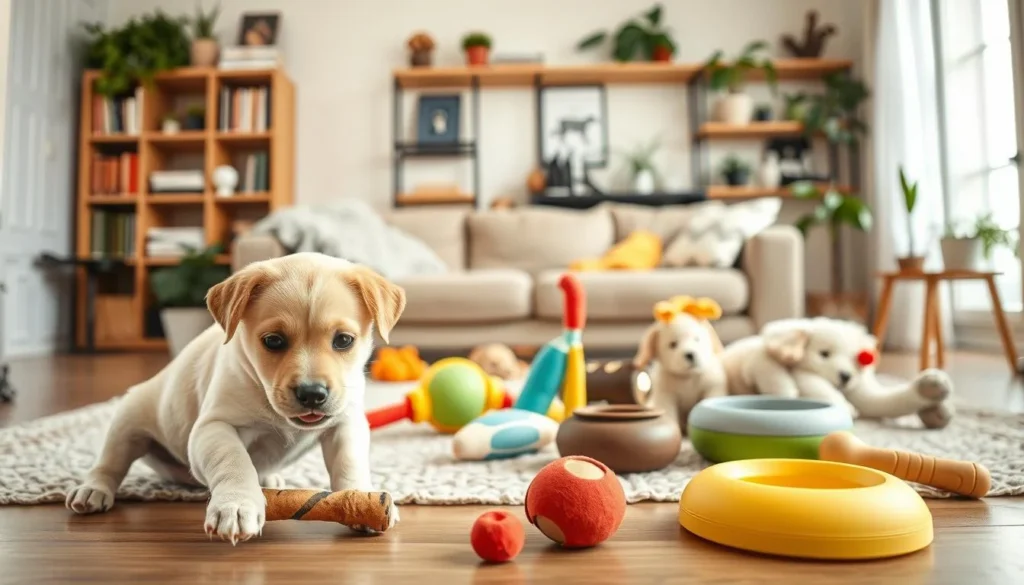
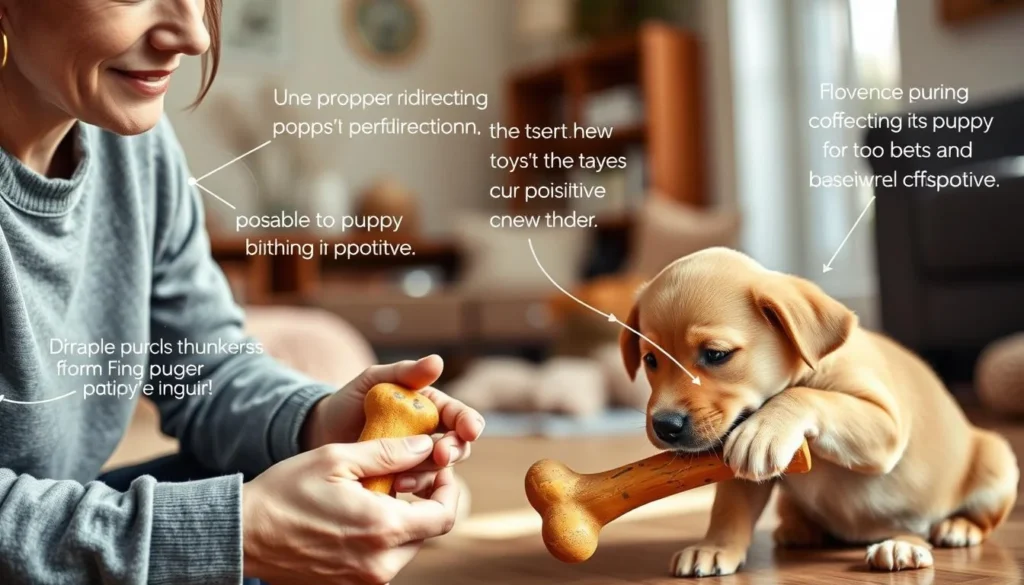
Finding the right chew toys for my puppy is key to teaching him not to bite. I've found that durable and safe toys help a lot. They make playtime safer and teach my puppy to chew on toys, not my fingers or furniture.
Choosing the Right Toys for Your Puppy
Not all toys are good for puppies. I choose toys that fit their size and chewing style. Look for toys made from safe materials. Rubber, rope, and soft plush toys are great for keeping them busy and safe.
Having different textures and shapes keeps them interested. It also helps them learn to play safely.
When to Introduce Chew Toys
I always give chew toys during playtime. This helps my puppy learn to bite on toys instead. I watch when my puppy bites the most, like during teething or play.
Offering chew toys during these times helps with teething and teaches good chewing habits. This way, I help my puppy grow and stop biting things he shouldn't.
Encouraging Non-Contact Play
Playing non-contact games with puppies is fun and good for them. These games keep their minds active and use up their energy in a good way. It's important to play safely to prevent injuries.
Puppies love to explore and learn without getting too rough. This helps them stay calm and not bite as much.
Games that Don’t Encourage Biting
Playing fetch is a great way to keep my puppy happy. I throw a toy and they run to get it. This game is fun and keeps them thinking without biting.
Hiding and then calling my puppy is another fun game. It makes them excited without the risk of biting. These games help my puppy use their energy in a good way.
Best Practices for Playtime with Puppies
Keeping the play area safe is key. I make sure there are no sharp or small objects around. Using the right toys helps them learn to play gently.
For tug games, I use strong toys that can handle the play. This way, my puppy can still have fun while staying safe. Playing like this helps us bond and understand each other better.
Implementing Time-Out Procedures
Training puppies involves using time-out procedures. These help them learn what's okay and what's not. A short, immediate time-out can teach them that biting too hard stops the fun.
It's important to know when puppies get too excited. Look for signs like:
- Excessive barking
- Restlessness or hyperactivity
- A sudden change in energy levels
By watching for these signs, I can stop unwanted biting before it starts. Creating a calm space for time-outs helps them understand that being playful is linked to good behavior. This approach helps control biting and builds a loving, structured home for our puppies.
Redirecting Attention When Biting Occurs
When my puppy starts to bite, I need to act fast. Using distraction techniques is key. I keep a few toys ready to distract my puppy from biting.
Using Distraction Techniques
Having many toys helps me change my puppy's focus. If they bite, I give them a chew toy or squeaky ball. This redirects their energy and teaches them what's okay to play with.
Timing of Redirection in Training
Timing is everything when teaching my puppy not to bite. I quickly take action when I see them nip. This teaches them biting is not good.
By doing this often, my puppy learns the difference between play and biting. It's all about when and how I redirect their behavior.
Keeping Calm During Biting Incidents
Keeping calm when your puppy bites is key to good training. I've found that staying calm helps a lot. If I get excited or angry, it makes my puppy bite more.
Standing still and not looking at my puppy helps a lot. It tells them that biting means no attention. This helps them learn to control themselves.
It's important to show my puppy the right way to behave. For instance, staying calm teaches them that calm is better. By avoiding anger, I make a safe space for them to learn and grow.
Setting Boundaries with Your Puppy
Setting boundaries is key for a puppy's growth. It starts with clear rules for play. By setting these rules early, my puppy knows what's okay during play.
Being consistent and patient is crucial. It helps the puppy learn right from wrong through repetition and positive feedback.
Establishing Clear Play Rules
I first decide on play areas and toys. Using specific toys for play signals they're for fun. I also clearly end playtime.
This clarity in managing puppy play helps in training. It also builds trust between me and my puppy.
How Boundaries Help Curb Biting Behavior
Boundaries teach my puppy to stop biting during play. By not allowing hard mouthing or aggressive play, I create a safe space. This leads to better behavior as they grow.
Clear rules for playtime help my puppy succeed in social situations. They learn to interact well with other dogs and people.
The Importance of Socialization
Socialization is key for a puppy's growth. Playing with other dogs teaches them important skills. This includes learning social cues and controlling their bites.
This learning shapes their behavior as they get older. Puppy playdates are a big part of this. They offer a fun space for puppies to meet and learn from each other.
Benefits of Puppy Playdates
Puppy playdates bring many benefits. They help puppies develop social skills and adapt to new situations. When puppies play, they learn to communicate through body language and sounds.
This helps them feel more confident and less anxious in new places.
When to Enroll in Puppy Classes
Starting puppy training classes is a big plus. These classes offer a safe space for puppies to play and learn. They are guided by experienced trainers who help with behavior and habits.
It's best to start these classes early. This way, puppies get the most out of socializing and learning.
Avoiding Common Mistakes
Puppy training can be tough, especially with biting behaviors. Many owners make mistakes without knowing it. It's just as important to know what not to do as it is to know how to train.
What Not to Do When Your Puppy Bites
When my puppy bites, I avoid making it worse. Using physical punishment or yelling doesn't help. It makes the puppy scared and anxious.
It's important not to give any kind of attention, even if it's negative. This can confuse the puppy and make things worse.
Impact of Punishment on Behavior
Choosing the right punishment is key. Punishment should never be mean for training to work. Punitive actions can make the puppy afraid and aggressive.
Instead, using positive reinforcement works better. It creates a positive training environment.
| Action | Outcome |
|---|---|
| Yelling at the puppy | Increases fear, may lead to aggression |
| Physical punishment | Breaks trust, confuses boundaries |
| Ignoring the puppy's needs | Encourages biting for attention |
| Providing negative attention | Reinforces unwanted behaviors |
| Using ineffective training tactics | Delays learning, hampers progress |
By avoiding mean punishment and knowing common mistakes, I can train my puppy better. This approach makes training more effective and strengthens our bond.
Understanding Puppy Temper Tantrums
Recognizing puppy tantrums is as important as stopping biting. Puppies show their feelings through body language. When they throw tantrums, their signs are clear, like stiff bodies, growling, or lots of whining.
It's key to know the difference between tantrums and playful bites. Playful bites are soft and part of play. Tantrums show frustration or discomfort. When my puppy has a tantrum, I change how I react to keep things safe.
Understanding these differences helps me manage my puppy's feelings. This understanding strengthens our bond and makes my puppy well-behaved.
Puppy Training for Biting
Effective puppy training resources are key to managing biting behavior. Puppies often use their mouths to explore. Knowing when to correct this is crucial. Sometimes, professional help is needed, especially if you're struggling with your puppy's biting.
Professional Help and Resources
Professional guidance can offer valuable insights into training your puppy. There are many puppy training resources out there. Look into local classes and online consultations. They provide strategies to manage biting habits.
Choosing the Right Trainer for Your Needs
Finding the right dog trainer is important for your puppy's growth. Look for a Certified Professional Dog Trainer (CPDT) who uses positive reinforcement. This ensures a positive learning environment for your puppy. Take time to find a trainer who fits your training style and your puppy's needs.
| Criteria | Description |
|---|---|
| Certification | Look for trainers with CPDT or similar credentials |
| Training Methods | Choose those who emphasize positive reinforcement |
| Class Size | Small classes often allow for personalized attention |
| Location | Consider convenience for regular attendance |
| Reviews | Check testimonials and feedback from other pet owners |
Conclusion
Teaching a puppy to stop biting is a journey that needs patience and consistency. I've found that biting is a normal stage for puppies. But with the right techniques, I see big improvements over time.
These methods not only stop biting but also encourage gentle behavior. This strengthens our bond and makes our relationship better.
Building a strong relationship based on trust and positive reinforcement is key. By using strategies like redirecting their attention and giving them the right chew toys, my puppy learns fast. Each positive moment helps them remember to be good, making biting less common.
In the end, good puppy training is about more than just stopping bad behavior. It's about creating a loving and respectful bond. By sticking with it, I'm building a well-behaved dog and a happy friendship for the future.